



Welcome to Matcha 101, your definitive introduction to one of the most revered beverages in Japanese culture. This vibrant green tea powder is more than just a trendy latte ingredient it’s a centuries-old tradition rooted in Zen mindfulness and holistic wellness. As interest in functional foods grows, matcha green tea has emerged as a powerhouse of antioxidants, calm energy, and culinary versatility.
In this guide, we’ll explore everything from what matcha is made of to how you can incorporate it into your daily routine for both flavor and health. Whether you’re new to matcha or deepening your knowledge, this article serves as your foundation in the world of Matcha 101.
What is Matcha Tea? | Understanding the Roots of Matcha 101
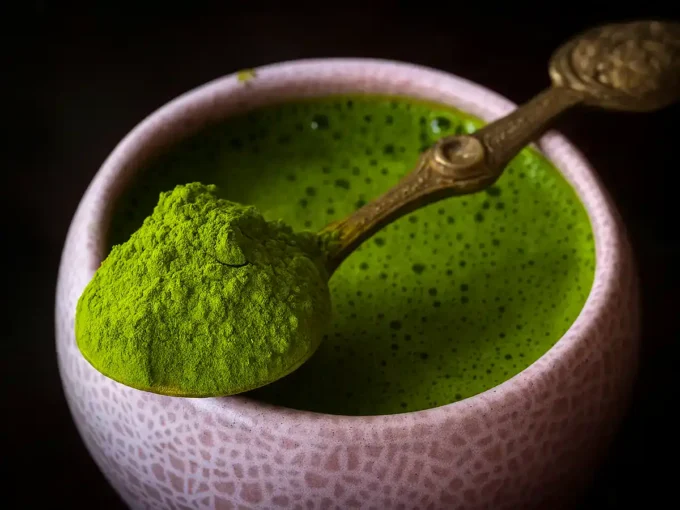
Matcha, derived from the Japanese words ma (ground) and cha (tea), refers to a premium form of green tea that is stone-ground into a fine powder. “Unlike regular teas that are steeped and discarded, matcha is made by consuming the whole ground leaf, offering a potent boost of nutrients in every sip.
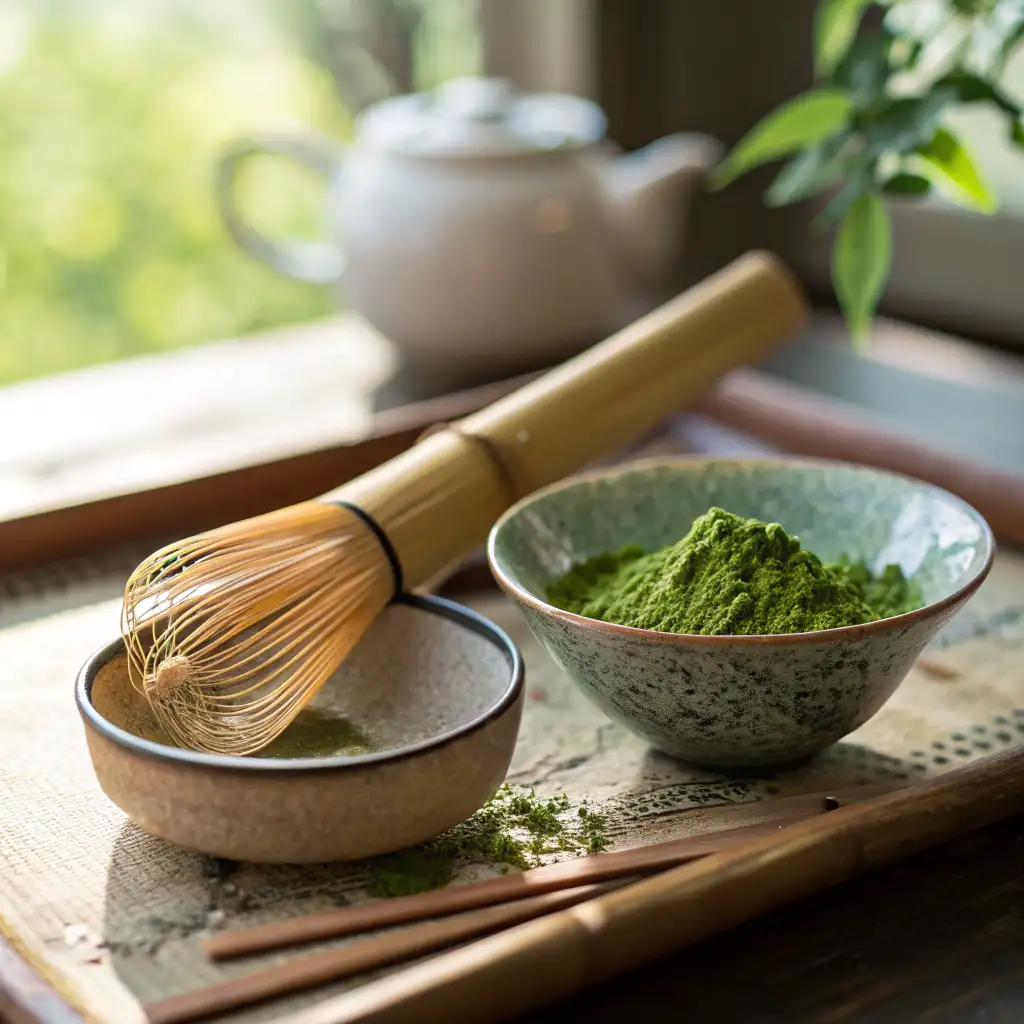
Originating in China during the Tang Dynasty, matcha was later refined in Japan by Zen Buddhist monks who used it in meditation rituals. Today, authentic matcha is primarily cultivated in regions like Uji, Kyoto, where meticulous farming and processing techniques preserve its quality and integrity.
In the context of Matcha 101, understanding its cultural and historical background enhances appreciation for its unique preparation and consumption methods.
What is Matcha Made Of? | The Journey from Leaf to Powder
To truly grasp the essence of Matcha 101, one must understand how matcha is produced a process that begins months before harvest.
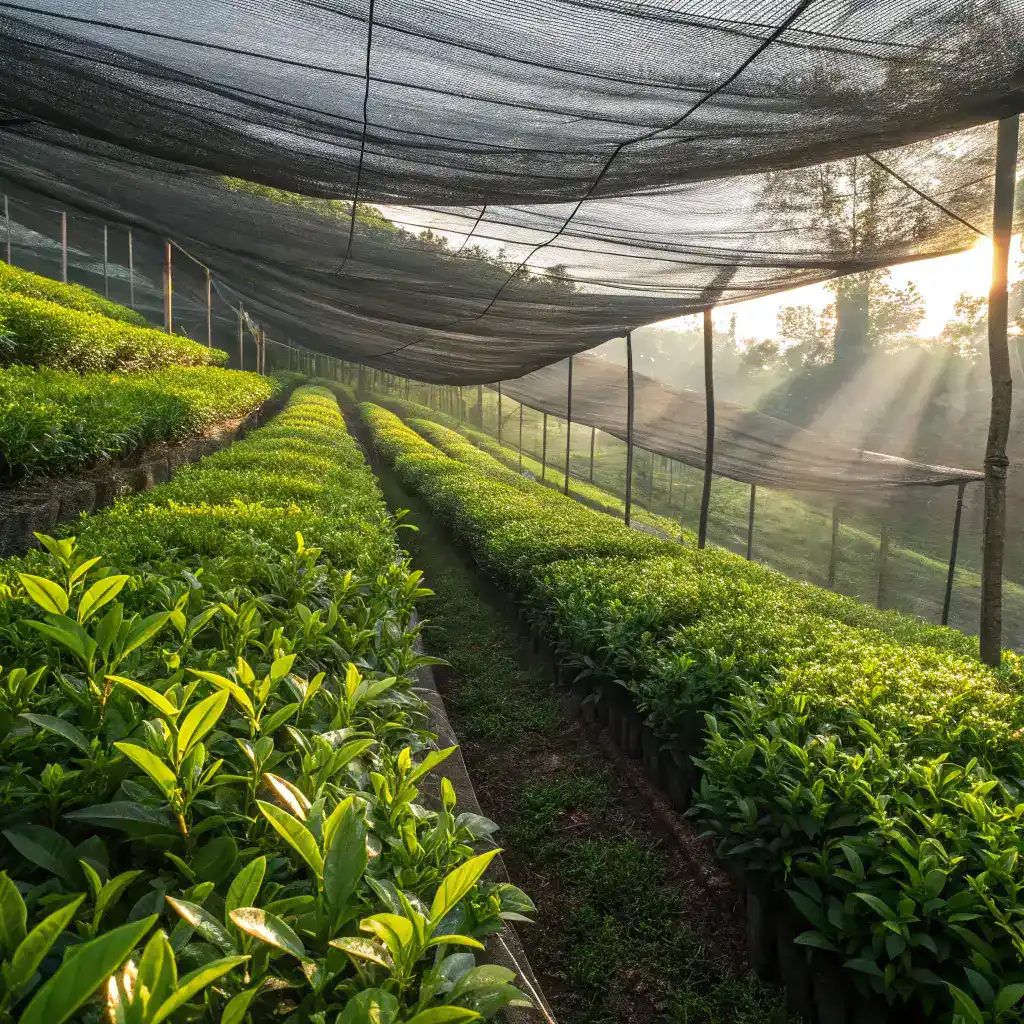
Approximately 20–30 days before picking, tea plants (Camellia sinensis) are shaded using bamboo mats or black nets. By growing the tea plants in shade, chlorophyll levels increase, resulting in matcha’s vibrant green hue and its deep, savory umami taste.
After harvesting, the leaves are:
- Steamed to prevent oxidation
- Dried and destemmed (removing veins and stems)
- Stored as tencha the raw material for matcha
- Slowly stone-ground using granite mills into a silky, fine powder
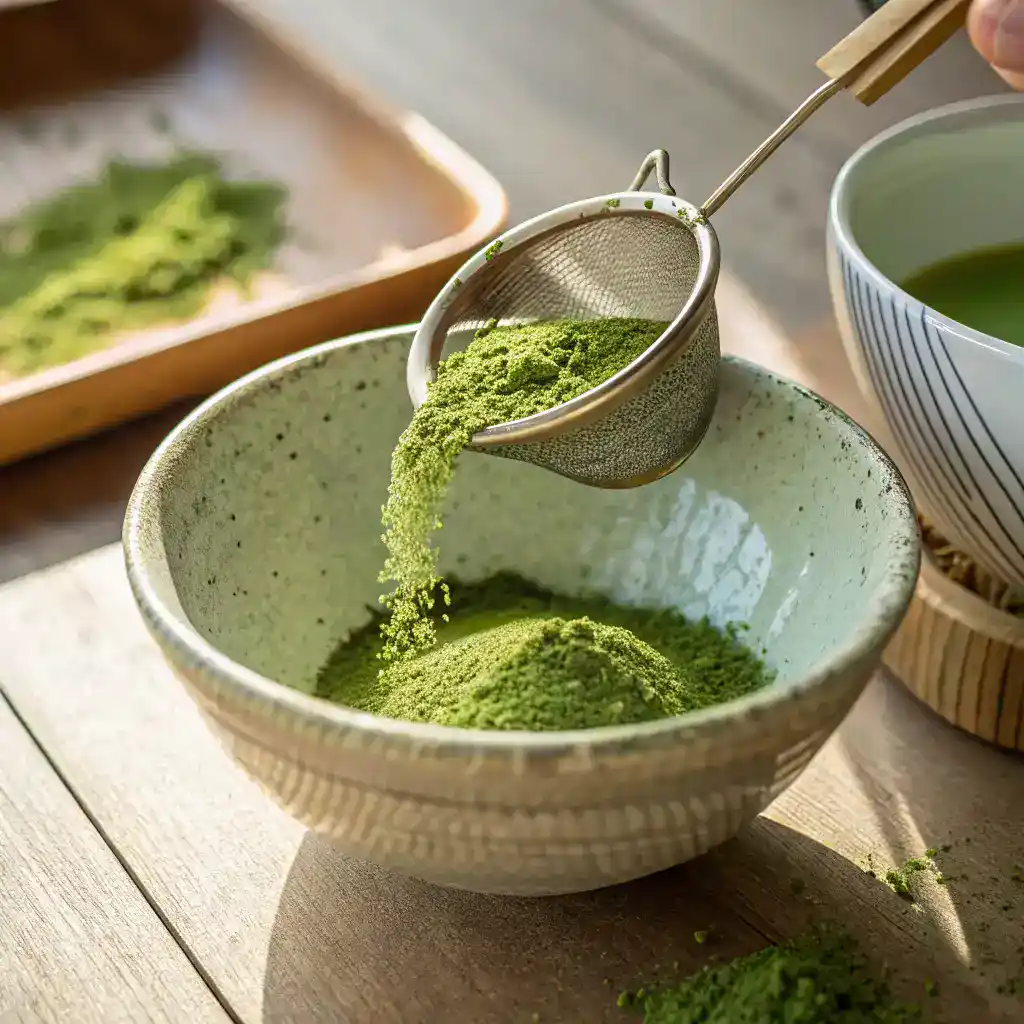
Each step ensures purity and potency. True matcha contains only one ingredient: 100% pure green tea powder, with no fillers, sweeteners, or additives.
Differences Between Traditional Tea Leaves vs. Matcha | Matcha 101 Insights
One of the foundational concepts in Matcha 101 is distinguishing matcha from traditional steeped green tea, such as sencha.
| Form | Loose leaves | Fine powder |
| Preparation | Infused in hot water, then discarded | Whisked directly into water |
| Nutrient Intake | Partial extraction of compounds | Full consumption of the leaf |
| Flavor Profile | Light, grassy, sometimes astringent | Rich, umami, slightly sweet |
| Caffeine Absorption | Faster release | Slower, sustained due to L-theanine |
Since matcha is consumed as the whole leaf, it can provide up to 137 times more antioxidants than regular green tea, as reported in the Journal of Chromatography.
This makes Matcha 101 not just about taste, but also about maximizing nutritional uptake.
Traditional Tools Used in Matcha Preparation | Mastering Matcha 101
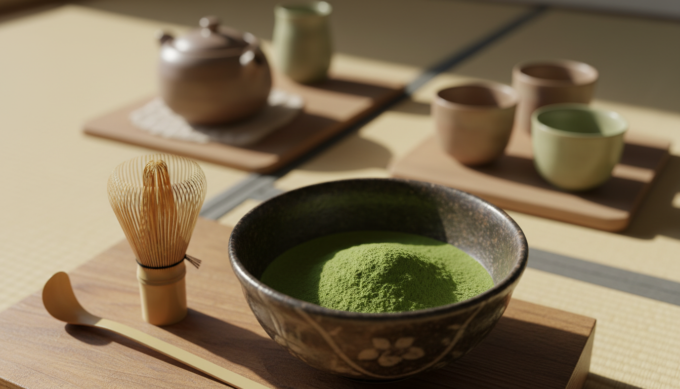
Authentic matcha preparation follows a ritualistic method rooted in the Japanese tea ceremony (chanoyu). To honor this tradition, several handcrafted tools are essential:
- Chashaku (茶杓): A bamboo tea scoop used to measure matcha powder (typically 1–2 scoops per serving).
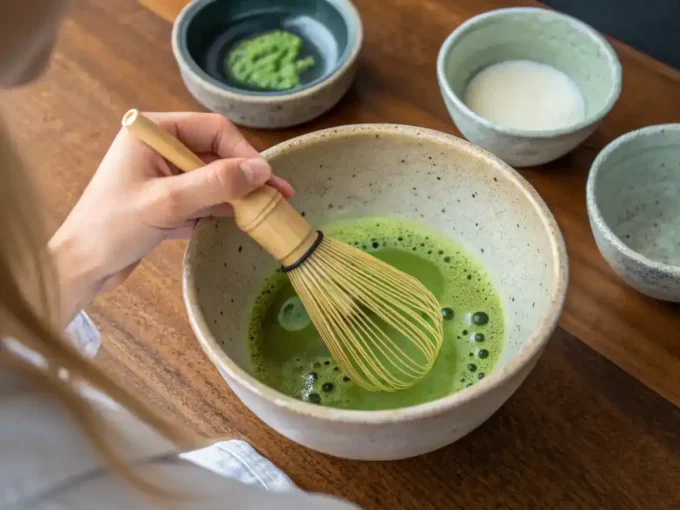
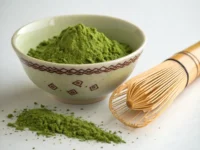
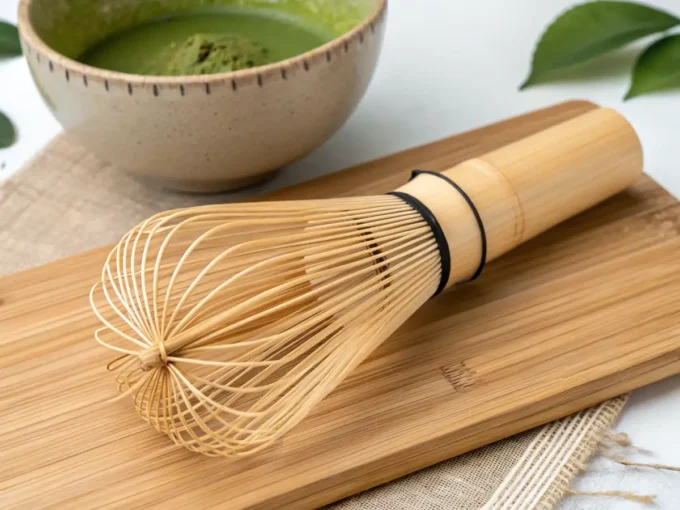
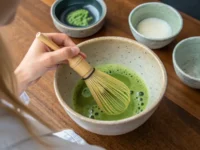
- Chasen (茶筅): A finely crafted bamboo whisk, featuring delicate tines that blend matcha into a smooth, frothy consistency.
- Chawan (茶碗):A broad, shallow tea bowl designed to ensure efficient whisking and consistent heat distribution.
These tools are central to Matcha 101, emphasizing mindfulness, precision, and aesthetic harmony in every cup.
How to Use a Matcha Whisk | Practical Matcha 101 Guid
Using a chasen correctly ensures optimal froth and flavor. Follow these steps for perfect matcha every time:
- Soak the Chasen: Before use, immerse the bamboo whisk in hot water for 5 minutes to soften the tines and maintain flexibility.
- Sift the matcha by placing a fine mesh sieve over your chawan and passing ½–1 teaspoon through it to remove any clumps.
- Add Water: Pour ¼ cup (60 ml) of hot water at 80°C (176°F) never boiling, as high heat scalds the delicate leaves.
- Whisk Vigorously: Hold the chasen in a pencil grip and move it in a rapid zig-zag “W” motion until a velvety foam forms.
- Top Off: Add another ¼ cup of hot water or steamed milk for a latte-style drink.
Pro Tip: For convenience, an electric frother or small blender can be used, though the traditional method enhances the meditative experience of Matcha 101.
Health Benefits of Matcha | Top Benefits of Matcha 101
One of the most compelling reasons to embrace Matcha 101 lies in its impressive health profile. Since you consume the whole leaf, matcha delivers a potent blend of bioactive compounds:
Top Benefits of Matcha:
- Rich in Antioxidants: Particularly epigallocatechin gallate (EGCG), which combats oxidative stress and may reduce cancer risk.
- Supports Brain Function: Contains L-theanine, an amino acid that promotes alpha-wave activity, enhancing focus and relaxation without drowsiness.
- Boosts Metabolism: EGCG has been shown to increase fat oxidation by up to 17%, supporting healthy weight management.
- Detoxifies the Body: High chlorophyll content aids in natural detoxification processes.
- Lowers LDL Cholesterol: Regular consumption may improve lipid profiles and cardiovascular health.
- Regulates Blood Sugar: Some studies suggest matcha helps moderate insulin resistance.
Why Matcha May Support Weight Loss | Matcha 101 Nutrition Science
In matcha, caffeine and EGCG work together to boost thermogenesis, increasing the body’s natural calorie-burning rate.
A 2009 study in the American Journal of Clinical Nutrition found that subjects who consumed a green tea extract rich in EGCG experienced increased energy expenditure and fat oxidation compared to placebo groups.
Additionally, L-theanine prevents the jittery side effects often associated with caffeine, making matcha a sustainable energy source for those aiming to stay active and alert during weight-loss efforts.
While matcha alone won’t cause weight loss, when paired with a balanced diet and exercise, it becomes a valuable ally a key takeaway in any Matcha 101 education.
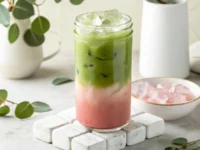
How to Use Green Tea Powder in Drinks | Creative Matcha 101 Ideas
Matcha’s versatility extends far beyond the traditional bowl. Here are innovative ways to use green tea powder in beverages:
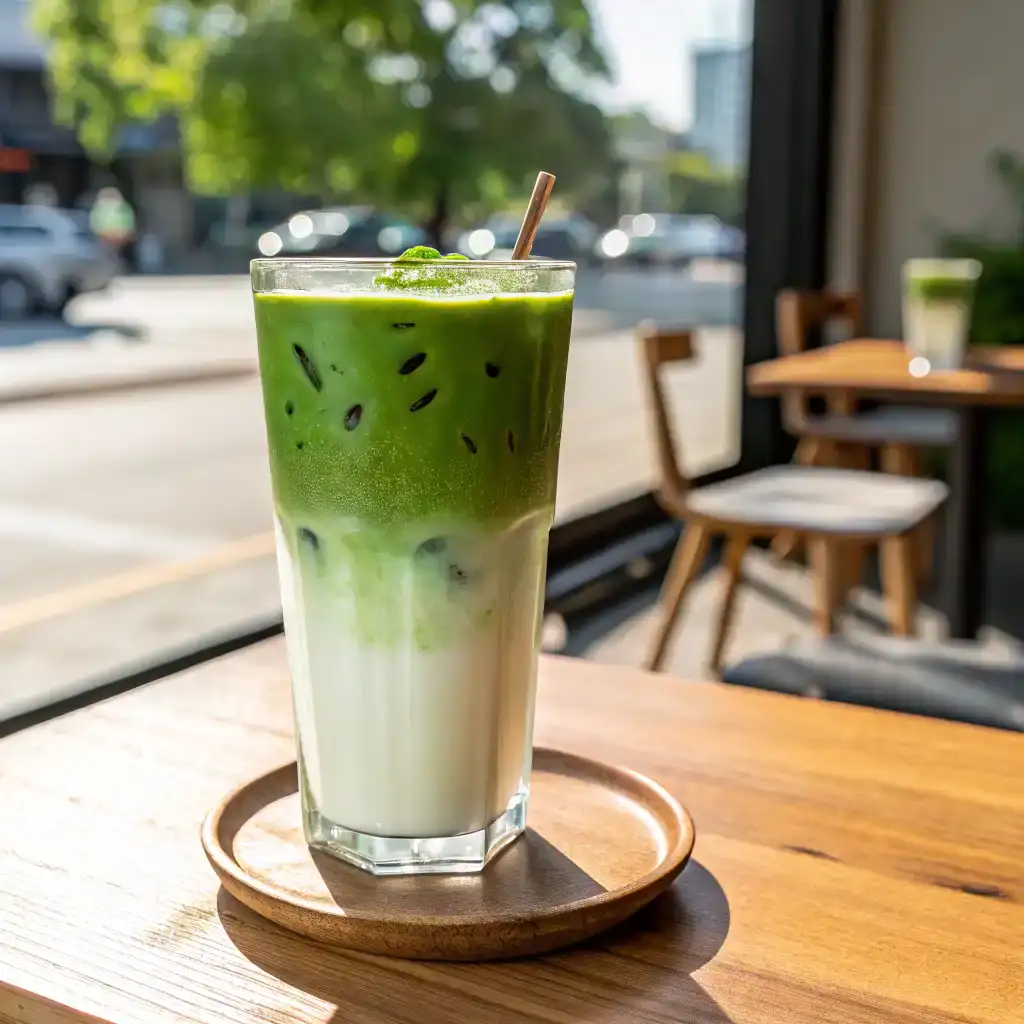
- Matcha Latte: Whisk matcha with steamed oat or almond milk and a touch of honey.
- Iced Matcha Lemonade: Combine matcha, cold water, lemon juice, and agave syrup over ice.
- Smoothies: Add ½ tsp to banana-spinach or mango-coconut blends.
- Coffee Boost: Stir a pinch into your morning coffee for a “dirty matcha” hybrid.
- Cocktails: Use in martinis, mojitos, or mocktails for a refreshing herbal note.
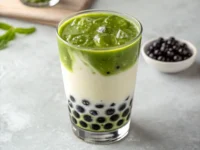
- Bubble Tea: Mix with milk and tapioca pearls for a vibrant twist.
Variations and Customizations: Make Your Matcha Unique
While traditional matcha is enjoyed plain, modern palates enjoy creative adaptations:
- Sweeteners: Add maple syrup, agave, or coconut sugar for natural sweetness.
- Spices: Enhance flavor with cinnamon, cardamom, or turmeric (golden matcha latte).
- Flavor Boosters: Vanilla extract, almond butter, or MCT oil for creamy, keto-friendly versions.
- Protein-Powered: Blend with plant-based protein powder for a post-workout drink.
👉 Craving more matcha recipes and daily kitchen inspiration? We’ve got you covered!
👉 For more free daily recipes, follow us on our Facebook page !
Storage and Reheating: Preserving Matcha 101 Freshness
To maintain the vibrancy and potency of your matcha:
How to Store Matcha:
- Keep in an airtight container away from light, heat, and moisture.
- Store in a dark cupboard or opaque tin avoid clear glass jars.
- For long-term storage (over 1 month), place in the freezer or refrigerator in a sealed container to slow oxidation.
Signs Matcha Has Gone Bad:
- Color turns dull yellow or brown
- Loss of fresh, grassy aroma
- Flat or bitter taste
Though not harmful, oxidized matcha loses much of its nutritional value and flavor — so freshness is key in Matcha 101.
Reheating Tips:
If preparing a matcha latte ahead of time:
- Gently reheat on the stovetop with a splash of milk to restore creaminess.
- Avoid microwaving at high power, which can degrade nutrients and create a bitter taste.
Tips and Additional Ideas for Perfect Matcha Every Time
Enhance your Matcha 101 journey with these expert tips:
- Always sift matcha before use to prevent clumping.
- Use filtered water for a cleaner taste.
- Invest in ceremonial-grade matcha for drinking; reserve culinary grade for baking.
- Pair matcha with a small sweet like wagashi to balance any bitterness.
- Use fresh butter or ghee in lattes for a rich, nourishing texture (popular in “bulletproof” style).
- Add a pinch of sea salt to enhance natural sweetness.
Nutrition Facts (Per Serving – ½ tsp Matcha + Water)
| Calories | 25 kcal |
| Carbohydrates | 5 g |
| Protein | 1 g |
| Total Fat | 0 g |
| Saturated Fat | 0 g |
| Unsaturated Fat | 0 g |
| Trans Fat | 0 g |
| Fiber | 1 g |
| Sugar | 4 g (if sweetened) |
| Sodium | 7 mg |
| Cholesterol | 0 mg |
| Potassium | 16 mg |
| Calcium | 11 mg |
| Iron | 0.4 mg |
| Vitamin A | 101 IU |
Note: Values are approximate and may vary based on added ingredients.
Frequently Asked Questions (FAQs) About Matcha 101
What is Matcha 101?
Matcha 101 is a beginner-friendly guide explaining the origins, preparation, health benefits, and uses of matcha green tea powder.
How to match BSS Blu 101?
This appears to be a typo , or unrelated term. If referring to matcha, ensure correct spelling: “matcha” not “match bss blu.
How to use green tea powder in drinks?
Mix sifted matcha with hot water, milk, or smoothie bases. Whisk or blend until frothy.
Why should you consume matcha with non-dairy milk?
Non-dairy milks prevent casein from binding to antioxidants, ensuring maximum absorption of EGCG and other catechins.
Does matcha go bad?
Matcha doesn’t spoil, but it oxidizes over time, losing color, aroma, and potency. Use within 1–2 months of opening for best quality.
How to best store matcha?
Store in an airtight, opaque container in a cool, dark place or in the freezer to preserve freshness.
Where to find matcha powder?
Available in specialty tea shops, health food stores, or online retailers. Choose reputable brands offering ceremonial-grade,
What’s the difference between matcha and hojicha?
Matcha: Shade-grown, steamed, unroasted, bright green, umami-rich.
Hojicha: Roasted green tea (often sencha or bancha), reddish-brown, smoky, low caffeine.
Craving More Matcha Recipes and Daily Kitchen Inspiration?
We’ve got you covered!
👉 For more free daily recipes, follow us on Pinterest !
Now that you’ve completed your journey through Matcha 101, it’s time to put knowledge into practice. Brew a bowl of vibrant matcha, savor its earthy sweetness, and appreciate the centuries of tradition in every sip. Whether you’re seeking mental clarity, metabolic support, or a delicious ritual, matcha offers both pleasure and purpose. So go ahead try this recipe, experiment with flavors, and enjoy the profound nutritional benefits of one of nature’s most elegant superfoods.
Disclaimer:
The nutritional values are approximate, based on online calculators, and may vary with ingredients used, though I’ve aimed for the highest accuracy possible. This content is for informational purposes only and should not replace professional medical advice. Consult your healthcare provider before making major dietary changes






Leave a comment