



What does matcha taste like? In recent years, matcha has evolved from a sacred component of Japanese tea ceremonies to a global wellness phenomenon. Whether you’ve sipped a vibrant green matcha latte at your local café or seen it featured in viral TikTok recipes, one question consistently arises: what does matcha taste like? This isn’t just a curiosity it’s a gateway to understanding one of the world’s most nuanced and healthful beverages.
At Aki Matcha, we specialize in sourcing premium, organic, ceremonial-grade matcha directly from Japanese farms. From bulk matcha powder for cafes to fresh matcha lattes delivered in Tampa, FL, our mission is to bring authenticity and quality to every cup. In this comprehensive guide.
we’ll explore the matcha flavor profile in depth, answer common questions like “what does matcha latte taste like?” and “does matcha taste like green tea,” and reveal how this vibrant green powder has won over the hearts and palates of Gen Z and modern wellness seekers.
Does Matcha Have Caffeine? The Energy You Need, Without the Crash
The question what does matcha tea taste like doesn’t have a one-size-fits-all answer because matcha’s flavor is complex, layered, and influenced by quality, preparation, and even personal palate. However, premium ceremonial-grade matcha typically offers a well-balanced blend of five distinct flavor elements:
1. Umami – The Savory Depth
One of the most defining characteristics of premium matcha is its umami flavor. Umami often described as “savory” or “brothy” is considered the fifth basic taste, joining sweet, sour, bitter, and salty.
In matcha, this rich, mouth-coating sensation resembles the taste of seaweed, miso soup, or steamed spinach. This umami depth comes from the shade-growing process tea plants are covered for 2–3 weeks before harvest, boosting chlorophyll and amino acids like L-theanine.
2. Vegetal – Fresh and Grassy
High-quality matcha has a fresh, vegetal flavor, reminiscent of young spinach, artichoke, or freshly cut grass. This green, earthy note is a hallmark of Japanese green teas and is intensified in matcha due to the consumption of the whole leaf. In contrast to Chinese green teas, which are pan-fired and have a nuttier flavor, Japanese matcha is steamed, helping it retain its vivid green color and pronounced vegetal notes.
3. Sweet – Natural and Subtle
Contrary to what some expect, good matcha tastes like it has a natural sweetness not sugary, but a delicate, lingering sweetness that balances the bitterness. This subtle sweetness is often enhanced when matcha is enjoyed in traditional tea ceremonies, where it’s served alongside a small sweet (wagashi) to elevate the experience.
4. Bitter – Mild and Earthy
Yes, matcha has a slight bitterness, but in high-grade matcha, it’s smooth and earthy not harsh or astringent. Low-quality or over-prepared matcha can become unpleasantly bitter, especially if boiling water is used. The bitterness should complement the umami and sweetness, not dominate them.
5. Smooth – Buttery and Rich
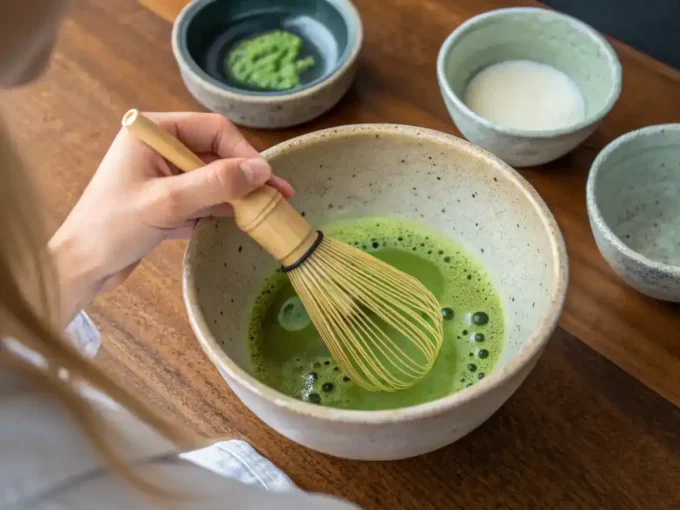
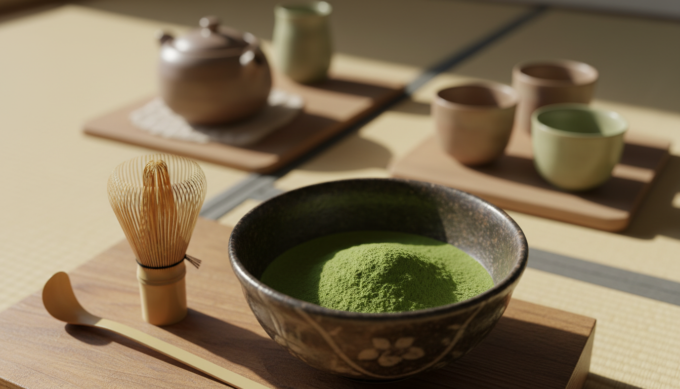
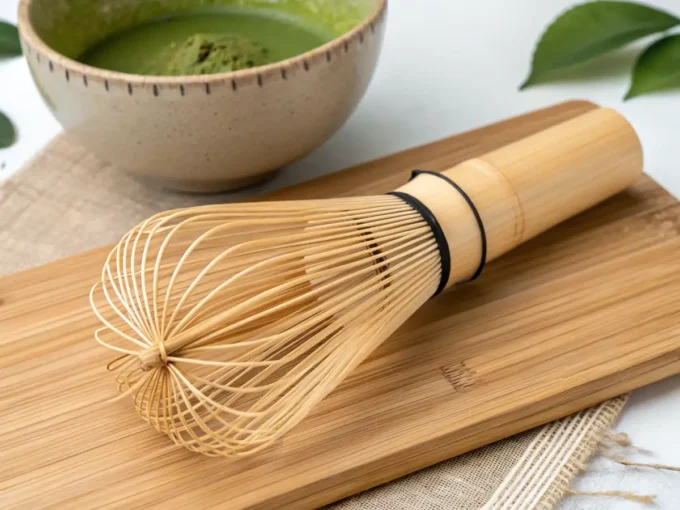
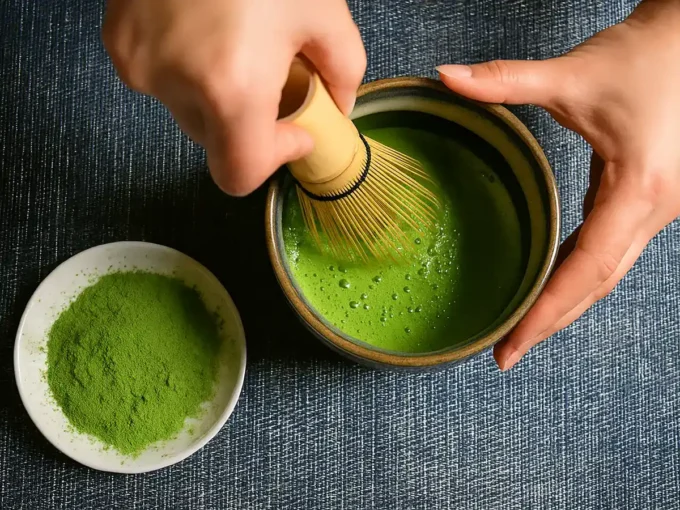
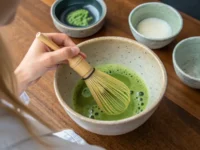
When properly whisked, ceremonial matcha has a creamy, almost buttery mouthfeel. This smooth texture, combined with its frothy consistency, makes it a luxurious drink to savor. Using a bamboo whisk (chasen) and sifter ensures a clump-free, velvety brew.
What Does Matcha Taste Like Compared to Green Tea?
Does matcha taste like green tea? Yes but more so. Since you’re consuming the entire tea leaf in powdered form, matcha delivers a more concentrated, intense version of green tea flavor. If you’re wondering what does matcha taste like in comparison, think of it this way: while steeped green tea offers a light, refreshing taste, matcha is bolder, richer, and more complex. Think of it as the difference between eating a tomato and drinking tomato juice one is whole, vibrant, and layered; the other is diluted.
What Does Matcha Latte Taste Like? Creamy, Sweet, and Soothing
Now, let’s answer one of the most searched questions: what does matcha latte taste like?
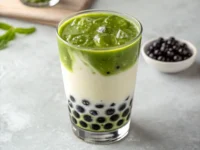
A matcha latte softens the boldness of pure matcha with milk (dairy or plant-based) and often a touch of sweetener. The result is a creamy, smooth beverage with a balanced flavor profile:
- The umami and vegetal notes of matcha remain present but mellowed.
- The milk adds richness and a slight sweetness.
- Optional syrups (like vanilla or honey) enhance the drink’s dessert-like appeal.
So, what does matcha taste like latte-style? Imagine a warm, earthy green tea blended with a creamy latte — slightly sweet, slightly grassy, and deeply satisfying.
What Does Matcha Taste Like Starbucks?
If you’ve tried a Starbucks matcha latte, you may have noticed it’s sweeter and less vegetal than traditional matcha. That’s because Starbucks uses a sweetened matcha powder blend (often mixed with sugar and flavorings), not pure ceremonial-grade matcha. While delicious, it’s more of a dessert drink than a true tea experience. For a more authentic taste, opt for unsweetened, high-quality matcha at home.
What Does Matcha Taste Like Reddit Say? Community Insights
Curious what real people think? On Reddit, users often describe matcha as:
- “Like drinking fresh grass, but in a good way.”
- “Earthy, slightly sweet, and calming.”
- “Tastes like green vegetables, but smooth and rich.”
- “An acquired taste at first, but now I crave it daily.”
Many agree: matcha tastes like something unique not quite like any other tea. Some find it challenging at first, but grow to love its depth and complexity.

How to Enjoy Matcha: From Traditional to Trendy
Whether you’re new to matcha or a seasoned drinker, there are several ways to experience its flavor:
1. Straight Matcha Tea (Usucha or Koicha)
For the purest experience, try matcha prepared traditionally:
- Sift 1–2 tsp of ceremonial matcha into a bowl.
- Add 2 oz of hot water (175°F).
- Whisk vigorously with a bamboo whisk until frothy.
- Add 4–6 oz more water and enjoy.
This method highlights what does matcha tea taste like in its most authentic form.
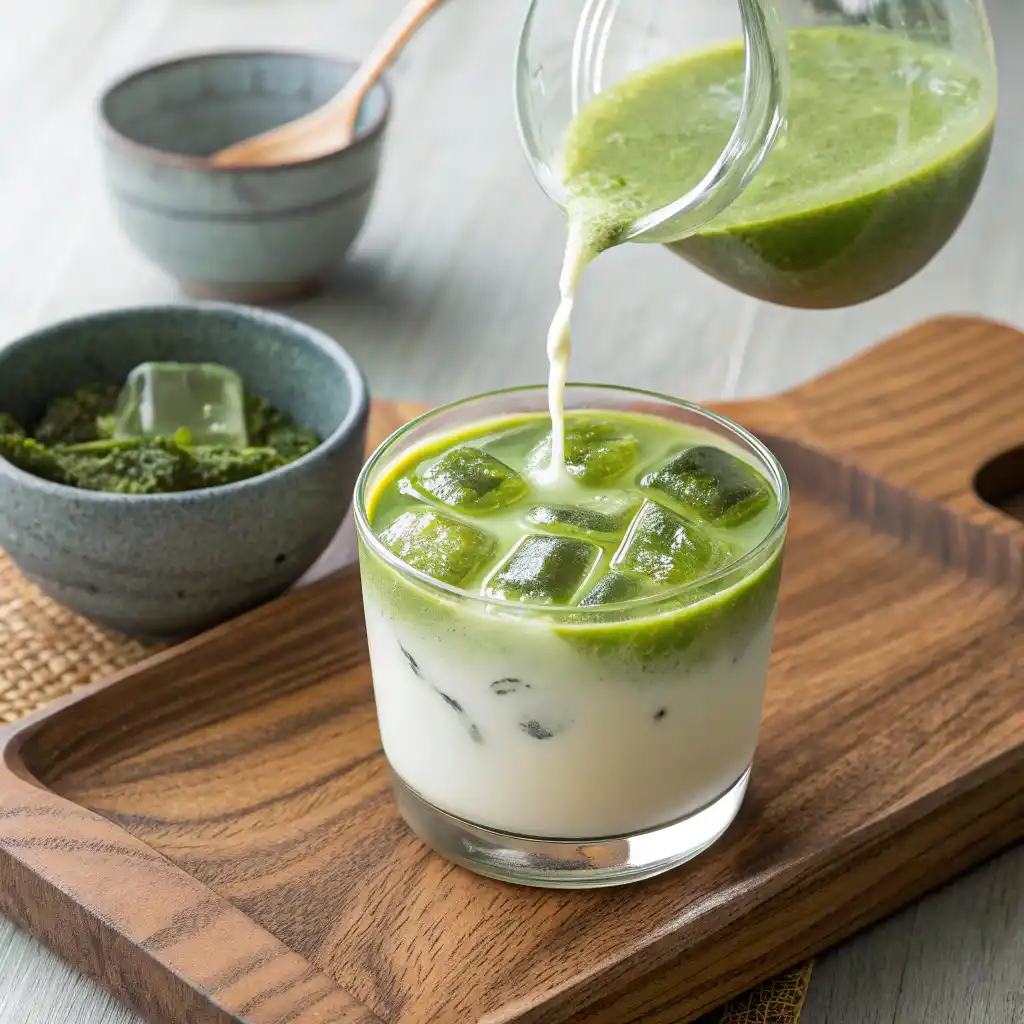
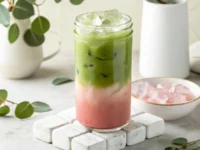
2. Iced Matcha Latte
Perfect for hot days:
- Whisk matcha with a splash of cold water.
- Pour over ice.
- Add cold milk and sweetener if desired.
- Stir and enjoy a refreshing, energizing drink.
3. Matcha Smoothies and Baked Goods
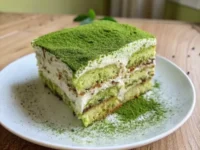
Culinary-grade matcha works well in smoothies, cakes, and ice cream, adding color and a subtle tea flavor.
Does Matcha Have Caffeine? The Energy You Need, Without the Crash
Yes, matcha contains caffeine, but it provides a unique and different kind of energy boost. A typical serving (1 tsp) contains about 70 mg of caffeine, roughly half that of a cup of coffee. However, thanks to the presence of L-theanine, matcha provides calm, focused energy without jitters or crashes.
This synergy between caffeine and L-theanine is why matcha is beloved by students, professionals, and meditators alike. It promotes alertness, mental clarity, and relaxation all at once.
Note: Many people exploring what does matcha taste like are also surprised to learn how its unique composition affects energy levels. The smooth, rich flavor is matched by an equally smooth release of caffeine, unlike the quick spike (and crash) of coffee.
Why Is Gen Z Obsessed with Matcha?
Gen Z’s love for matcha isn’t just about flavor it’s about identity, wellness, and aesthetics. Matcha is:
- Instagram-worthy (vibrant green lattes!)
- Perceived as “clean” and natural
- Associated with mindfulness and Japanese culture
- Versatile in recipes (from lattes to TikTok smoothie bowls)
And yes matcha is an acquired taste for some, but many find themselves hooked once they appreciate its depth and health benefits.
Is Matcha Healthier Than Coffee?
When comparing matcha vs. coffee, matcha stands out for its:
- High antioxidant content (especially EGCG, which fights oxidative stress)
- Natural detoxifying properties (thanks to chlorophyll)
- Support for heart health, metabolism, and brain function
- Lower acidity (gentler on the stomach)
- Balanced energy (no mid-day crash)
While coffee has its place, matcha offers a more holistic, nourishing energy boost — making it a favorite among health-conscious consumers.
How to Choose the Best Matcha Powder
Not all matcha is created equal. To experience the true matcha flavor, look for:
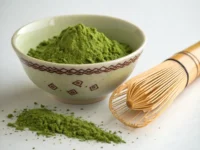
- Bright emerald green color (a dull green or yellow tint signals aging or lower quality)
- Fine, silky texture (should dissolve easily)
- Origin: Japan (Uji, Nishio, and Kagoshima are top regions)
- Ceremonial grade for drinking, culinary grade for cooking
Note: If you’re exploring what does matcha taste like for the first time, starting with a ceremonial grade ensures the most authentic and flavorful experience.
At Aki Matcha, we source organic, ceremonial-grade matcha directly from family farms in Japan, guaranteeing freshness, purity, and exceptional taste in every sip.
Craving more matcha recipes and daily kitchen inspiration? We’ve got you covered!
👉 For more free daily recipes, follow us on our Facebook page !
Frequently Asked Questions (FAQs)
What does matcha taste like?
Matcha has a complex flavor: umami-rich, vegetal, slightly sweet, mildly bitter, and smooth.
What does matcha tea taste like?
Pure matcha tea is bold, grassy, and savory, with a lingering sweetness and creamy texture.
What does a matcha latte taste like?
A matcha latte is creamy, slightly sweet, and earthy milder than straight matcha due to milk and sweeteners.
What does matcha green tea taste like?
If you’re wondering what does matcha tea taste like, it’s more intense than regular green tea, featuring stronger umami, vegetal, and marine notes
How do you describe the taste of matcha?
To truly understand what does matcha tea taste like, it can be described as earthy, grassy, and subtly sweet, with a savory umami depth and a smooth, lingering finish.
Why is Gen Z obsessed with matcha?
It’s trendy, photogenic, healthy, and aligns with wellness and mindfulness values.
Is matcha healthier than coffee?
Yes, in many ways it offers antioxidants, calm energy, and digestive benefits without acidity.
Does matcha have caffeine?
Yes, about 70 mg per serving, but it’s balanced by L-theanine for smooth, sustained energy.
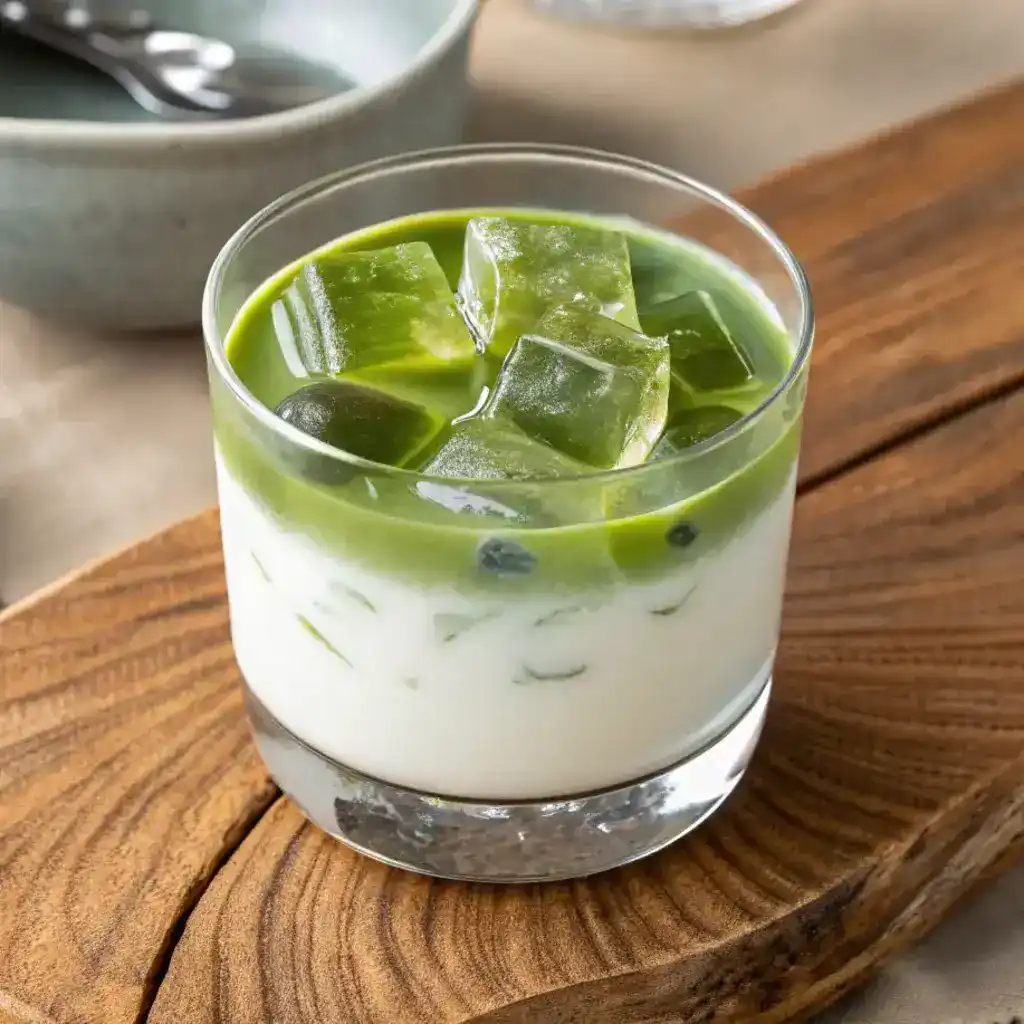
So, what does matcha taste like? It’s a symphony of umami, sweetness, earthiness, and freshness — a tea that nourishes both body and mind. Whether you enjoy it as a frothy traditional tea or a creamy latte, matcha offers a delicious, energizing, and health-promoting experience unlike any other.
We encourage you to try high-quality matcha today savor its rich flavor, feel its calming energy, and embrace the ritual of mindful drinking. Your taste buds and your overall well-being will truly appreciate it.
Disclaimer
The nutritional values are approximate, based on online calculators, and may vary with ingredients used, though I’ve aimed for the highest accuracy possible to help those curious about what does matcha taste like and its health benefits.






Leave a comment