


In recent years, matcha has emerged from the quiet traditions of Japanese tea ceremonies into the global spotlight gracing café menus, wellness blogs, and morning routines across the world. More than just a trendy beverage, matcha is a nutrient-dense superfood with centuries of cultural heritage behind it. If you’ve ever wondered how to make matcha properly, or whether this vibrant green powder lives up to its health claims, you’re in the right place.
This comprehensive guide will walk you through every step of preparing authentic matcha tea, explore the benefits of matcha powder, and answer common questions about its role in modern wellness. Whether you’re a curious beginner or looking to refine your technique, this article offers everything you need to know from choosing quality ingredients to mastering the perfect froth.
What Is Matcha? Understanding the Foundation of Your Brew
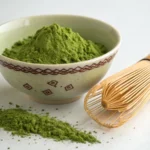
Before exploring how to make matcha, it’s essential to understand what sets it apart from other teas. Matcha is made from Camellia sinensis leaves that are shade-grown for several weeks before harvest. This process increases chlorophyll production, giving matcha its signature vibrant green hue and boosting levels of L-theanine and antioxidants.
Once harvested, the leaves are steamed, dried, and ground into a fine powder — meaning when you drink matcha, you consume the entire leaf, not just an infusion. This distinction is key to understanding why matcha benefits extend beyond those of traditional green tea, and it explains why so many people are eager to learn how to make matcha at home for its full health potential.

Authentic Matcha Tea
Ingredients
Equipment
Method
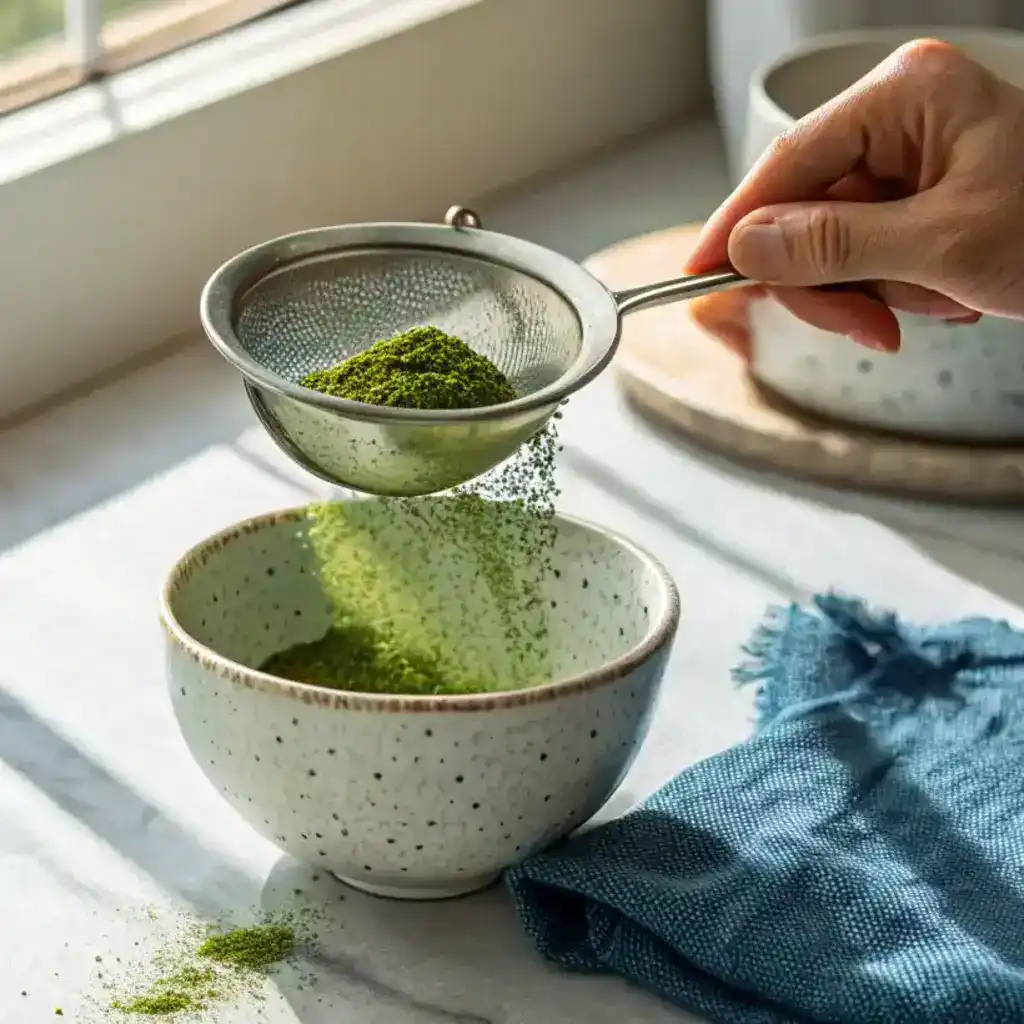
- Sift 1/4 tsp of matcha powder into a bowl using a fine mesh strainer to prevent clumps.
- Add 2 oz of hot water (175°F / 80°C).
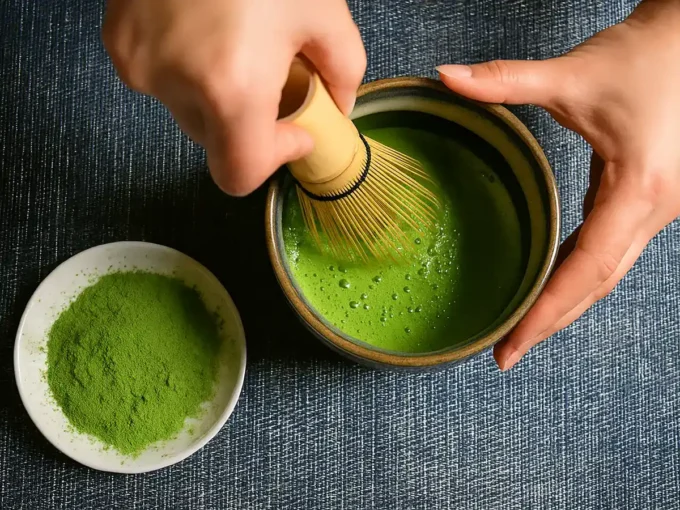
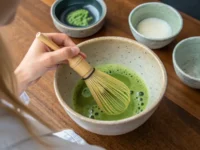
- Whisk rapidly in a zig-zag motion using a bamboo whisk until frothy, about 30 seconds.
- Top with 6 oz of hot water for traditional tea, or steamed milk for a latte.
- Add sweetener if desired, stir briefly, and serve immediately.
Notes
Why Is Matcha Good for You? Exploring the Benefits of Matcha Powder
The growing popularity of matcha isn’t just due to its aesthetic appeal or unique flavor it’s also backed by science. Before diving into how to make matcha, it’s helpful to understand why this powdered green tea has become a wellness staple. Let’s take a closer look at the benefits of matcha green tea and why so many people are making it a daily ritual.
Top Benefits of Matcha: A Wellness Powerhouse
- Rich in Antioxidants
Matcha contains high concentrations of catechins, particularly epigallocatechin gallate (EGCG), which may help combat oxidative stress and reduce inflammation. - Supports Mental Clarity and Calm
The combination of L-theanine and caffeine promotes alertness without anxiety, enhancing focus while supporting relaxation ideal for mindful mornings. - May Support Weight Loss
Some studies suggest that the catechins and caffeine in matcha can boost metabolic rate and fat oxidation during exercise, potentially aiding weight management efforts when paired with a healthy lifestyle. - Promotes Heart Health
Regular consumption of green tea has been linked to lower LDL cholesterol and improved blood pressure, contributing to long-term cardiovascular wellness. - Detoxifying Properties
High chlorophyll content due to shade-growing may support natural detoxification processes in the body. - Immune System Support
With antimicrobial properties and immune-boosting compounds, matcha may contribute to stronger defenses against illness.
Is matcha good for you? Yes when consumed as part of a balanced diet, matcha offers a range of evidence-backed health advantages without the side effects often associated with coffee. And the best part? Once you learn how to make matcha properly, you can enjoy these benefits in a delicious and calming way every day.
How to Make Matcha: Step-by-Step Instructions for the Perfect Cup
Now that we’ve explored the benefits of matcha latte and general wellness perks, let’s get to the heart of the matter: how to make matcha correctly. The method matters — improper preparation leads to clumps, bitterness, or weak flavor.
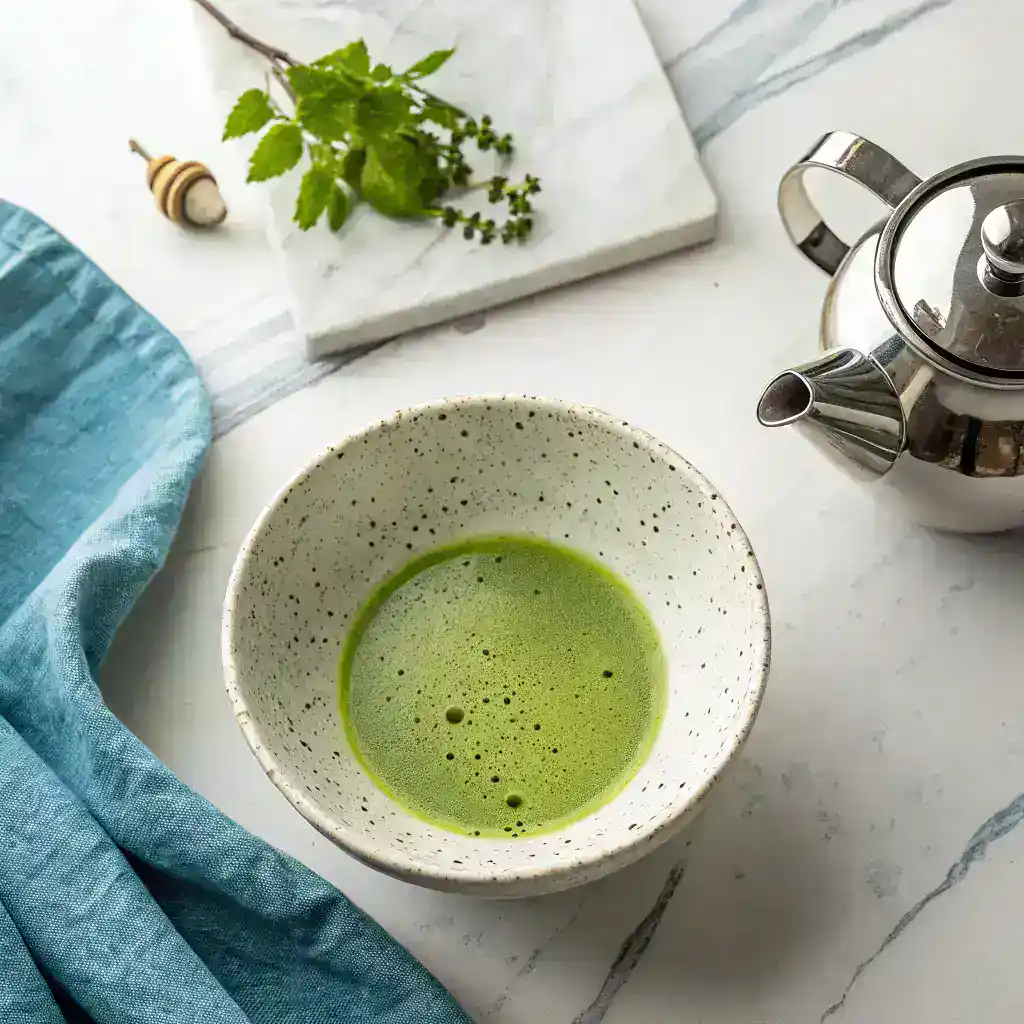
What You’ll Need:
- ¼ teaspoon ceremonial-grade matcha powder
- 2 ounces (¼ cup) hot water (175°F / 80°C) — just below boiling
- 6 ounces (¾ cup) additional hot water or steamed milk (for latte variation)
- Optional: sweetener (honey, maple syrup, or simple syrup)
- Tools: fine mesh sifter, bamboo whisk (chasen), small bowl or mug
Step 1: Sift the Matcha Powder
Why this matters: Matcha clumps easily due to its ultra-fine texture. Sifting ensures a smooth, lump-free drink.
Sift ¼ teaspoon of matcha through a fine mesh strainer into a bowl or ceramic mug.
Step 2: Add Hot Water and Whisk Vigorously
Pour in 2 oz of hot water (not boiling — excess heat burns the delicate leaves and creates bitterness).
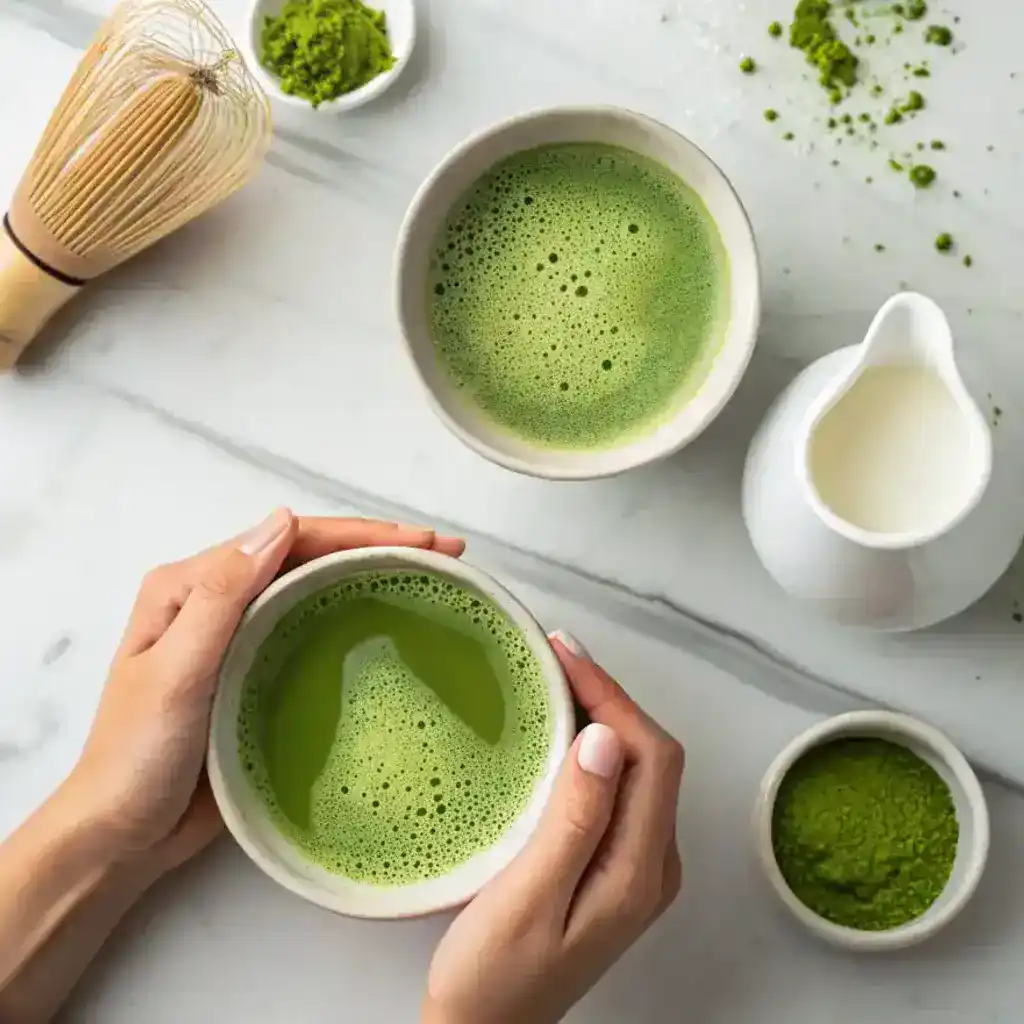
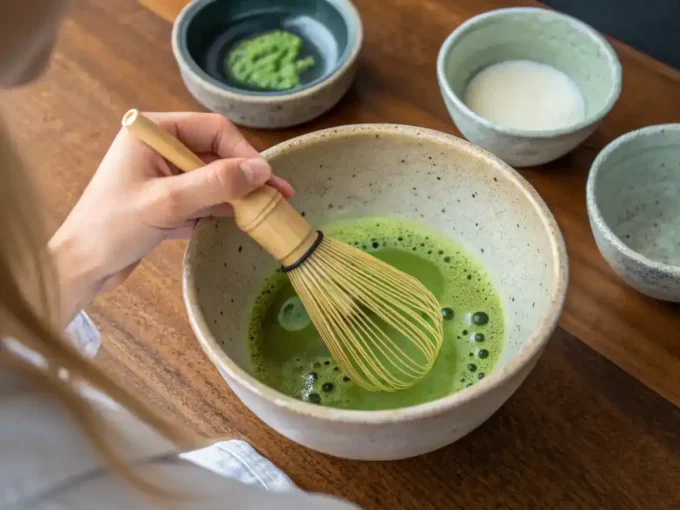
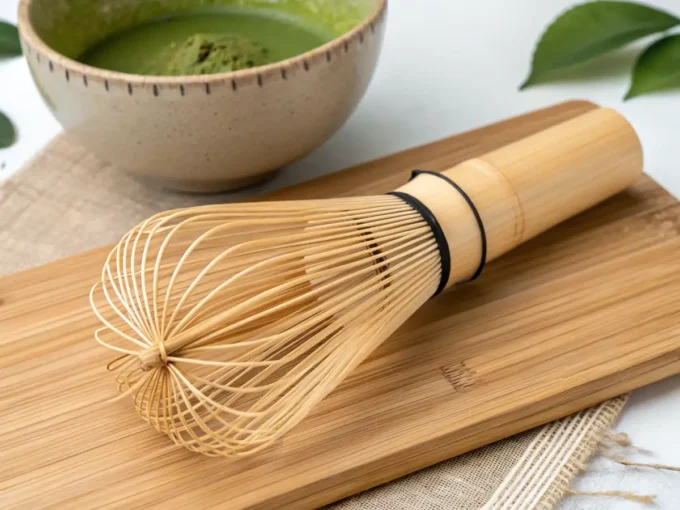
Using a bamboo chasen, whisk in a rapid back-and-forth or zig-zag motion (not circular) until the mixture is fully blended and a creamy foam layer forms on top — about 30 seconds.
🔁 Tip: No chasen? Use a small regular whisk or electric milk frother. Avoid spoons or forks — they won’t create foam.
Step 3: Top Off and Customize
Add 6 oz of:
- Hot water → for traditional matcha tea
- Steamed milk → for a creamy matcha latte
Whisk again briefly to re-froth. Sweeten to taste with honey or maple syrup if desired.
Serve immediately and enjoy mindfully.
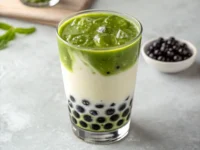
How to Make Matcha Latte: Elevating Your Daily Ritual
A matcha latte transforms the simple tea into a comforting, creamy beverage perfect for cooler mornings or afternoon pick-me-ups.
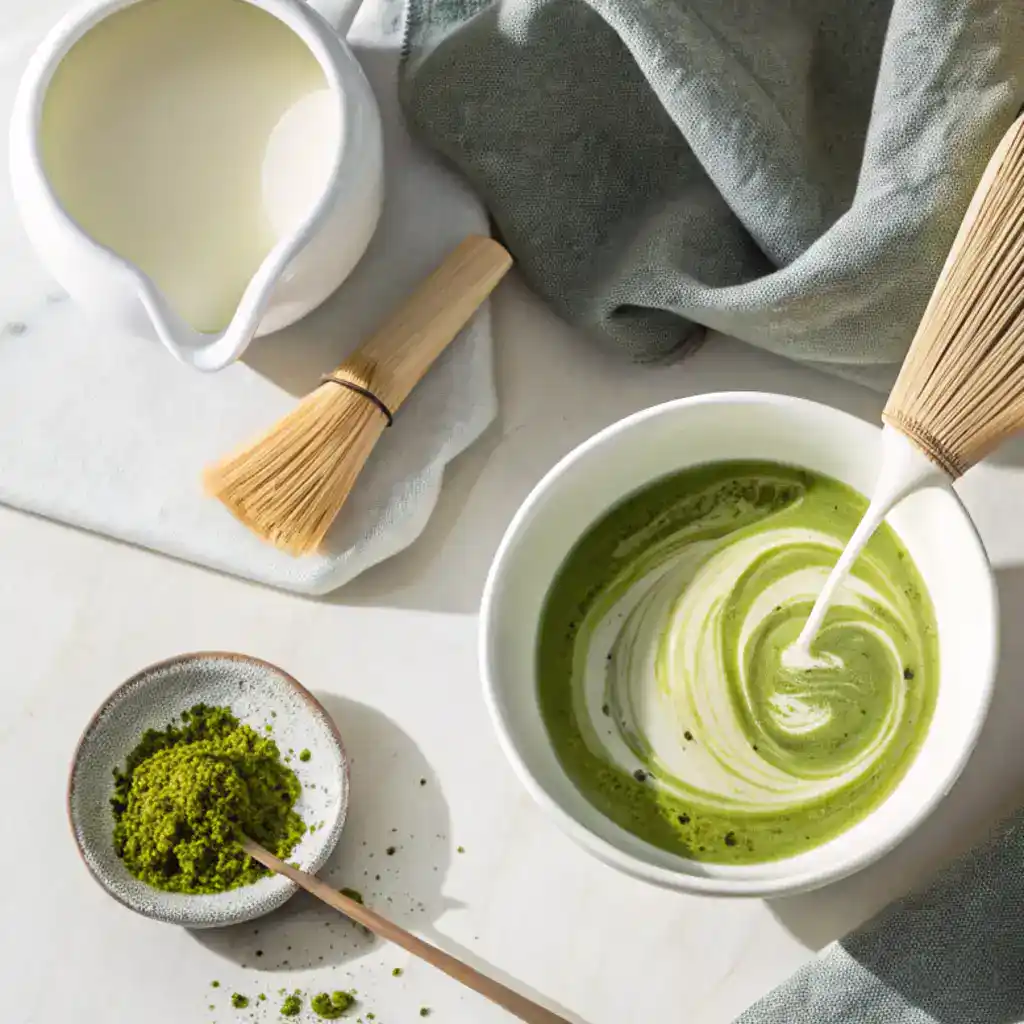
How to Make Matcha with Milk:
- Follow steps 1–2 above.
- Instead of adding water, pour in 6 oz of steamed or warmed milk.
- Best options: oat milk (creamy), almond milk (light), coconut milk (rich), or dairy.
- Froth again for a café-style finish.
🌿 Pro Tip: Add a pinch of cinnamon, vanilla extract, or a dash of nut butter for extra flavor depth.
This version retains all the matcha benefits while offering a smoother, more indulgent experience — ideal for those new to the earthy taste.
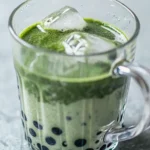
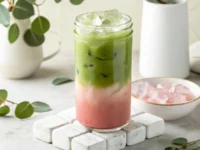
How to Make Iced Matcha: A Refreshing Twist
Cool down with a refreshing glass of iced matcha.
How to Make Iced Matcha:
- Sift ¼ tsp matcha into a shaker or jar.
- Pour 2 oz of hot water and shake well until the mixture is smooth.
- Fill a tall glass with ice.
- Pour mixture over ice.
- Top with 6 oz cold water, coconut water, or chilled milk.
- Shake or stir well before drinking.
Perfect for summer days or post-workout refreshment — and still packed with the benefits of matcha powder.
Tips and Additional Ideas for the Best Matcha Experience
Want to elevate your matcha game? Try these expert tips:
- Buy Ceremonial Grade for Drinking: Reserve culinary-grade matcha for baking or smoothies.
- Store Properly: Keep matcha in an airtight container in the fridge, away from light and moisture, and use within 2 months of opening.
- Use Fresh Water: Filtered water enhances flavor and prevents off-tastes.
- Experiment with Sweeteners: Try monk fruit, agave, or date syrup for lower glycemic options.
- Add Superfoods: Blend matcha with collagen, MCT oil, or spirulina for a functional boost.
- Make It Faster: Pre-measure matcha into small containers for quick morning prep.
💡 How to make matcha quickly? Just add matcha and a splash of hot water to a sealed jar, shake vigorously, then top with milk or water. Ready in under 2 minutes!
Nutrition Facts (Per 1-Serving Cup of Plain Matcha Tea)
| Calories | 10 kcal |
| Protein | 1 g |
| Fat | 0.2 g |
| Saturated Fat | 0 g |
| Unsaturated Fat | 0.1 g |
| Trans Fat | 0 g |
| Carbohydrates | 1 g |
| Fiber | 0.5 g |
| Sugar | 0 g (without sweetener) |
| Sodium | 1 mg |
| Cholesterol | 0 mg |
⚠️ Note: Values increase slightly when m
Frequently Asked Questions (FAQs)
What is the correct way to make matcha?
The correct method involves sifting the powder, whisking with hot water in a zig-zag motion, and finishing with more water or milk. This prevents clumping and creates a frothy, smooth texture.
Do you put matcha in milk or water?
You can use either. Traditionally, matcha is made with hot water. For a creamier drink, use steamed milk to make a latte.
Why is Gen Z obsessed with matcha?
Gen Z values aesthetic appeal, wellness, and sustainability — all of which matcha delivers. Its vibrant color, Instagram-worthy presentation, and “clean energy” profile make it a favorite among younger generations.
What happens if I drink matcha daily?
Drinking matcha daily may support mental clarity, metabolism, and antioxidant intake. However, moderation is key — excessive intake (more than 2–3 cups) could lead to caffeine sensitivity or liver strain due to concentrated compounds.
How to make matcha latte?
Sift matcha, whisk with hot water, then add steamed milk. Sweeten if desired. Use oat or almond milk for a plant-based version.
How to make matcha powder?
Matcha powder is made by grinding shade-grown green tea leaves into a fine powder using stone mills. This is done commercially; home production isn’t practical.
How to make matcha tea without a whisk?
Use a small regular whisk, electric frother, or seal matcha + water in a jar and shake vigorously until smooth and foamy.
How to make matcha quickly?
Pre-sift matcha into portioned containers. In the morning, just add hot water and shake or whisk — ready in under 2 minutes.
How to make matcha with milk?
Mix sifted matcha with hot water, shake or whisk, then pour over ice and top with cold water or milk.
Craving more matcha recipes and daily kitchen inspiration? We’ve got you covered!
👉 For more free daily recipes, follow us on our Facebook page !
And don’t miss out on visual inspiration — Get fresh recipe ideas and daily Recipes inspiration — follow us on Pinterest today!
📌 Follow us on Pinterest
Learning how to make matcha is more than mastering a recipe — it’s about embracing a mindful tradition that nourishes both body and mind. With its rich flavor, vibrant color, and impressive benefits of matcha green tea, this ancient beverage has earned its place in modern wellness culture.
So go ahead — sift that powder, whisk with intention, and savor each sip. Whether you enjoy it hot, iced, sweetened, or plain, your daily cup of matcha can be a small but powerful act of self-care.
Try this simple, nutritious recipe today and taste the difference that quality, care, and tradition can bring.
Scientific Evidence for Matcha Benefits
Recent clinical studies support matcha’s health claims through peer-reviewed research. Randomized trials show matcha reduces stress and improves attention and memory PubMedPubMed Central, while a 12-month study found regular consumption enhances cognitive function and sleep quality in older adults A Prospective Non-Randomized Open-Label Comparative Study of The Effects of Matcha Tea on Overweight and Obese Individuals: A Pilot Observational Study – PubMed. Research also indicates matcha extracts may help prevent lifestyle-related diseases and premature aging due to their anti-inflammatory properties Health Benefits and Chemical Composition of Matcha Green Tea: A Review – PMC.
References:
Baba, Y., et al. (2021). Matcha and attentional function under stress. Nutrition Research, PMID: 33744591.
Sokary, S., et al. (2022). The therapeutic potential of matcha tea. Nutrients, PMC9792400.
Uchida, K., et al. (2024). Matcha effects on cognitive functions in older adults. PLoS One, PMID: 39213264.
Disclaimer:
The nutritional values are approximate, based on online calculators, and may vary with ingredients used, though I’ve aimed for the highest accuracy possible. Always consult a healthcare provider if you have medical concerns about caffeine or dietary changes.






Leave a comment