


Matcha coffee represents the perfect marriage between traditional Japanese tea culture and modern coffee enthusiasm, creating a distinctive beverage that offers the best of both worlds. This unique matcha with coffee combination delivers a smooth, earthy flavor profile while providing sustained energy without the typical coffee jitters.
Whether you’re a matcha enthusiast or coffee lover looking to explore new horizons, this vibrant green elixir promises to revolutionize your daily caffeine ritual. The creamy texture and naturally sweet undertones make this drink an ideal choice for those seeking both wellness benefits and delicious taste.
With its striking emerald color and balanced flavor, matcha coffee has become increasingly popular among health-conscious individuals who want to enjoy their caffeine boost with added antioxidants and amino acids.
Why Will You Like This Recipe?
This matcha coffee recipe stands out for its simplicity and versatility, requiring just five minutes of preparation time while delivering professional café-quality results. The combination provides sustained energy release thanks to matcha’s L-theanine content, which promotes calm alertness without the crash associated with regular coffee. Additionally, this recipe is easily customizable for various dietary preferences, including vegan and paleo options.
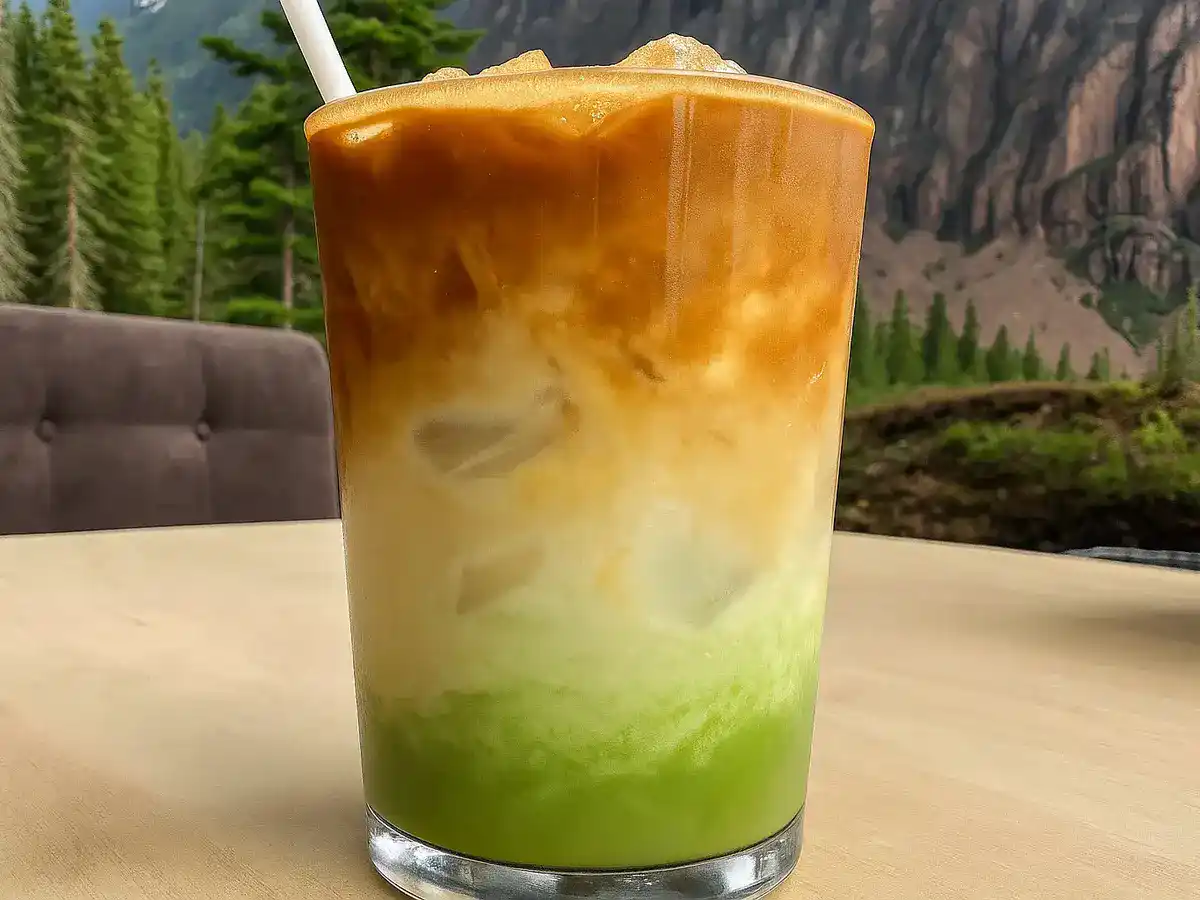
Matcha Coffee Recipe
Ingredients
Method
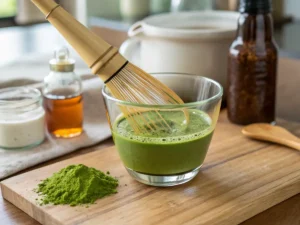
- In your serving glass, combine matcha powder, maple syrup, vanilla extract, and hot water. Vigorously whisk until smooth and lump-free.

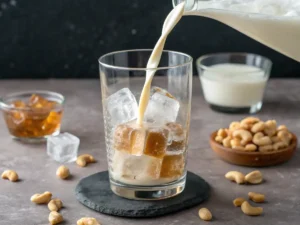
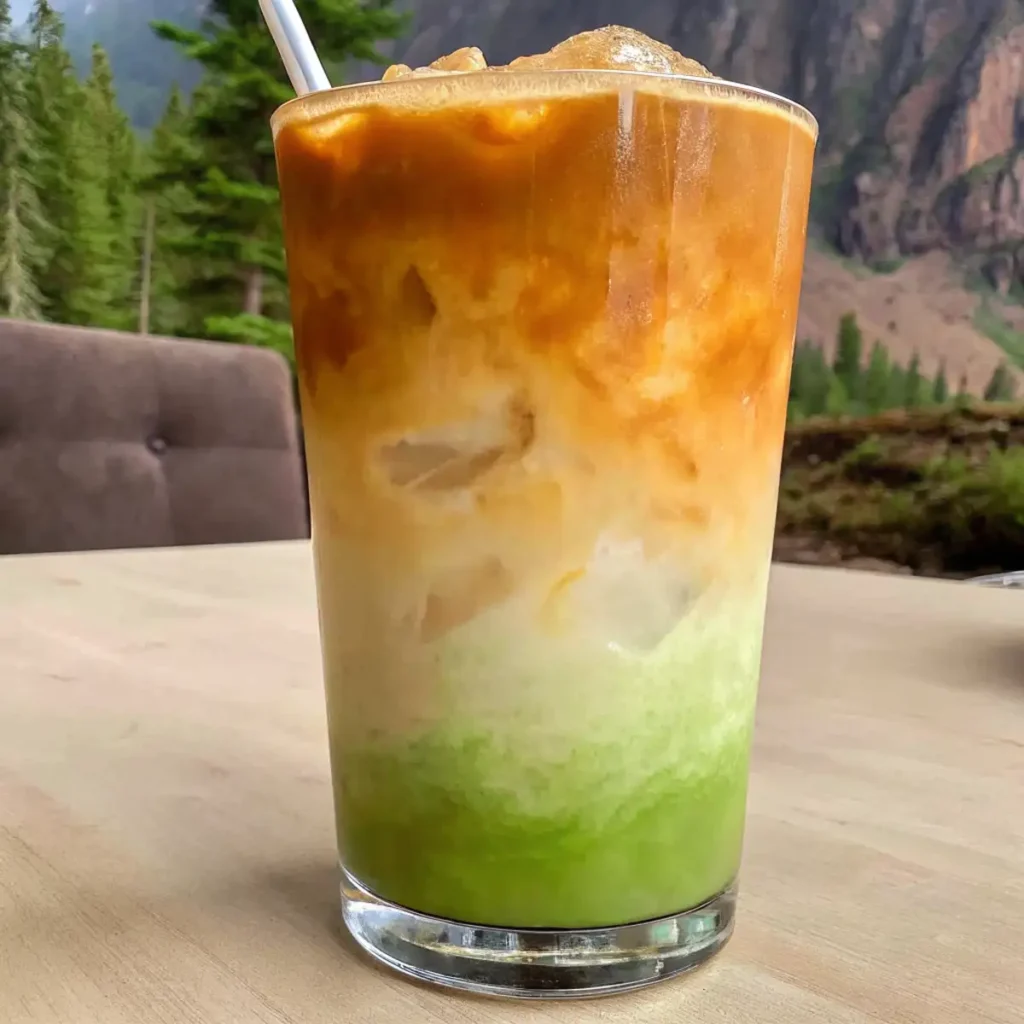
- Add ice cubes to the glass, filling it about one-third full. Slowly pour in the cashew milk to create a distinct layer.

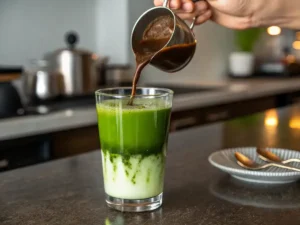
- Gently pour the cooled coffee over the back of a spoon to float it on top. Let sit 30 seconds before stirring for best flavor.

Notes
Servings and Timing
- Prep Time: 5 minutes
- Cook Time: 0 minutes
- Total Time: 5 minutes
- Servings: 1 serving
- Calories: 95 calories per serving
Matcha Coffee Ingredients
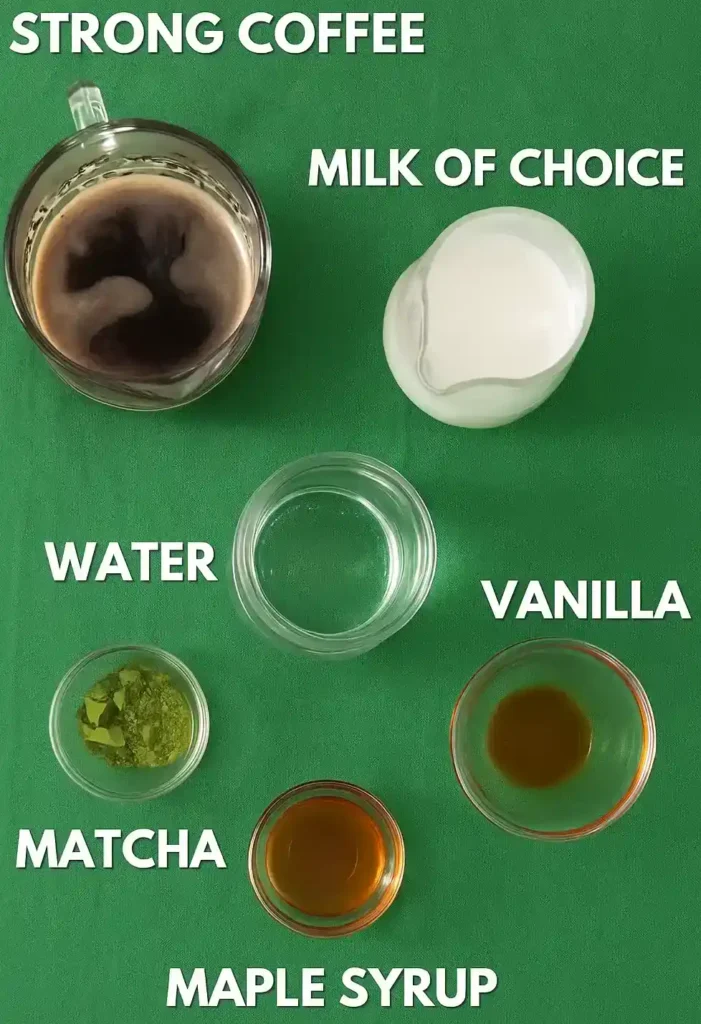
Creating the perfect matcha with coffee requires quality ingredients that complement each other harmoniously:
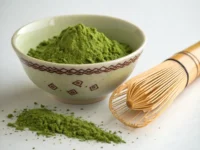
- 1 teaspoon ceremonial or premium culinary grade matcha powder – Provides vibrant color and earthy flavor; ceremonial grade offers smoother taste
- 1 teaspoon pure maple syrup – Natural sweetener that dissolves easily in cold beverages; honey or agave can substitute
- 1/2 teaspoon pure vanilla extract – Enhances overall flavor complexity and adds aromatic depth
- 2 tablespoons hot water (160-175°F) – Essential for properly dissolving matcha without creating lumps
- 1/3 to 1/2 cup ice cubes – Creates the refreshing chilled base for this iced beverage
- 1/3 cup unsweetened cashew milk – Creamy plant-based option; almond, oat, or dairy milk work equally well
- 1/3 cup strong brewed coffee, cooled – Use espresso or concentrated cold brew for best flavor intensity
Modification notes: For gluten-free diets, ensure all ingredients in your matcha coffee are certified gluten-free. Keto dieters can substitute maple syrup with sugar-free sweeteners like stevia or monk fruit to keep this matcha coffee recipe low in carbs.
Matcha Coffee Preparation Method
Follow these detailed steps to create your perfect matcha versus coffee fusion:
Step One: Create the Matcha Base
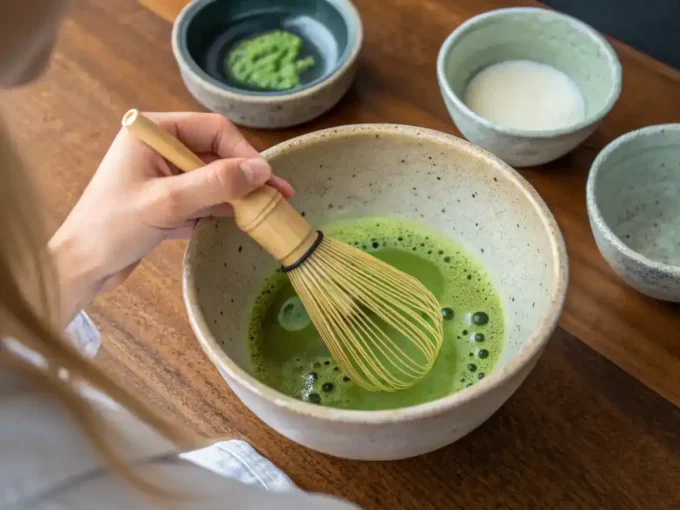
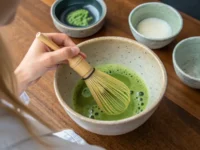
In your serving glass, combine matcha powder, maple syrup, vanilla extract, and hot water. Using a bamboo whisk or small regular whisk, vigorously stir the mixture until completely smooth and no lumps remain.This step plays a key role in creating the smooth, velvety texture that defines a high-quality matcha coffee.
Step Two: Build Your Drink
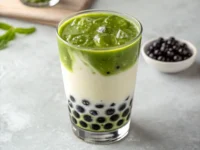
Add ice cubes to the glass, filling it about one-third full. Slowly pour the cashew milk over the ice, creating the middle layer of your beverage. The contrast between the green matcha base and white milk creates visual appeal.
Step Three: Add the Coffee Layer
Gently pour the cooled coffee over the back of a spoon to create a beautiful layered effect. The coffee will float on top, creating an Instagram-worthy presentation that showcases why drink matcha over coffee isn’t necessary when you can enjoy both together.
Pro tip: For enhanced flavor development, allow the drink to sit for 30 seconds before stirring to let the flavors meld naturally.
Variations and Customizations
Transform your basic matcha coffee into exciting variations:
Protein Power Version: Add a scoop of vanilla protein powder during step one for post-workout nutrition.
Spiced Matcha Coffee: Incorporate 1/4 teaspoon cinnamon or a pinch of cardamom for warming spices.
Chocolate Matcha Mocha: Add 1 teaspoon cocoa powder to create a decadent chocolate variation.
Tropical Coconut Twist: Swap out cashew milk for canned coconut milk to add creamy island flavor.
Hot Weather Special: Double the ice and add frozen coffee cubes made from leftover brew.
Get fresh recipe ideas and daily recipes inspiration — follow us on Pinterest today!
Why Matcha Coffee May Support Weight Loss
Matcha coffee combines metabolism-boosting catechins like EGCG with the appetite-suppressing power of caffeine. L-theanine helps manage cortisol, potentially reducing belly fat. Together, they offer sustained energy for better workouts and enhanced fat burning.
Top Benefits of Matcha Coffee
Enhanced Cognitive Function: The unique combination of caffeine and L-theanine promotes focused alertness without anxiety or jitters commonly associated with regular coffee consumption.
Antioxidant Powerhouse: Matcha contains significantly more antioxidants than regular green tea, while coffee adds chlorogenic acids, creating a dual antioxidant defense system.
Sustained Energy Release: Unlike the energy spikes and crashes from coffee alone, matcha versus coffee caffeine provides smoother, longer-lasting energy due to L-theanine’s moderating effects.
Digestive Support: The combination may support healthy digestion and gut microbiome balance through beneficial compounds in both ingredients.
Heart Health Support: Both matcha and coffee contain compounds that may support cardiovascular health when consumed as part of a balanced diet.
Storage and Reheating
Store any leftover matcha coffee concentrate (without ice and milk) in the refrigerator for up to 2 days. For best results, prepare fresh daily to maintain optimal flavor and nutritional benefits. If you’ve made extra matcha paste, cover tightly and refrigerate for up to 24 hours. When ready to serve, add fresh ice, milk, and coffee. This matcha with coffee combination is best enjoyed fresh and doesn’t freeze well due to the milk content.
For meal prep enthusiasts, consider making matcha ice cubes by freezing prepared matcha paste with water in ice cube trays. These can be stored for up to one month and instantly transform regular iced coffee into matcha coffee.
Tips and Additional Ideas
Quality Matters: Invest in high-grade matcha powder for superior taste and health benefits. Ceremonial grade offers the smoothest flavor profile.
Temperature Control: Never use boiling water with matcha as it can create bitterness. Optimal water temperature ranges between 160-175°F.
Whisking Technique: Use a “W” or “M” motion when whisking matcha to achieve the signature frothy texture.
Milk Alternatives: Experiment with different plant-based milks – oat milk creates exceptional creaminess, while coconut milk adds tropical notes.
Sweetener Options: Adjust sweetness to preference using maple syrup, honey, agave, or sugar-free alternatives for different dietary needs.
Nutrition Facts (Per Serving)
| Nutrient | Amount |
|---|---|
| Calories | 95 |
| Protein | 2.5g |
| Total Fat | 2.1g |
| Saturated Fat | 0.3g |
| Unsaturated Fat | 1.8g |
| Trans Fat | 0g |
| Carbohydrates | 18g |
| Fiber | 1.2g |
| Sugar | 15g |
| Sodium | 45mg |
| Cholesterol | 0mg |
Frequently Asked Questions (FAQs):
What does matcha coffee taste like?
Matcha coffee offers a unique flavor profile combining earthy, slightly grassy notes from matcha with coffee’s familiar boldness. The result is a smooth, complex beverage with natural sweetness and creamy texture that’s less bitter than regular coffee.
Why drink matcha over coffee?
While both have benefits, matcha provides sustained energy without jitters due to L-theanine content, offers more antioxidants, and supports calm alertness. However, combining both creates the ultimate energy drink with complementary benefits.
Is matcha coffee good for you?
Yes, matcha coffee combines the health benefits of both ingredients, including antioxidants, amino acids, and beneficial plant compounds. It may support metabolism, cognitive function, and provide sustained energy.
What is matcha coffee?
Matcha coffee is a beverage combining traditional Japanese matcha green tea powder with coffee, creating a unique drink that offers the benefits and flavors of both ingredients in one delicious serving.
Is it okay to mix matcha and coffee?
Absolutely! Mixing matcha and coffee is safe and increasingly popular. The combination provides complementary flavors and health benefits while offering sustained energy release.
Why is Gen Z obsessed with matcha?
Gen Z appreciates matcha for its health benefits, Instagram-worthy appearance, cultural significance, and sustainable energy without crashes. The aesthetic appeal and wellness focus align with their values.
Is matcha as healthy as coffee?
Both offer unique health benefits. Matcha provides more antioxidants and L-theanine for calm energy, while coffee offers chlorogenic acids and familiar caffeine benefits. Together, they create a powerful health combination.
Is it okay to drink matcha every day?
Yes, moderate daily matcha consumption (1-2 servings) is generally safe for most people and may provide consistent health benefits. However, monitor your total caffeine intake from all sources.
Is matcha coffee good for weight loss?
The combination may support weight management through metabolism-boosting compounds, appetite regulation, and sustained energy for physical activity. However, it works best as part of a balanced diet and active lifestyle.
Is there a downside to matcha?
High-quality matcha has minimal downsides when consumed moderately. However, low-grade matcha may be bitter, and excessive consumption could lead to too much caffeine intake.
Is matcha anti-inflammatory?
Yes, matcha contains powerful anti-inflammatory compounds, particularly catechins and EGCG, which may help reduce inflammation in the body when consumed regularly.
What does matcha coffee taste like?
The flavor combines matcha’s earthy, slightly sweet grassiness with coffee’s familiar bold notes, creating a complex, smooth beverage that’s less bitter than regular coffee with added depth and natural sweetness.
Craving more matcha recipes and daily kitchen inspiration? We’ve got you covered!
👉 For more free daily recipes, follow us on our pinterest page!
Matcha coffee blends ancient wellness with modern energy, offering both calm and focus. L-theanine and caffeine work together for a balanced boost any time of day. Customize the recipe to fit your taste and lifestyle. This vibrant green drink is more than a trend—it’s a daily ritual worth embracing. Join the many who’ve made matcha coffee part of their wellness journey.
Disclaimer
The nutritional values provided are approximate and based on online calculators; they may vary depending on the ingredients used. While every effort has been made to ensure accuracy, this recipe is not intended for medical use. It should not be considered a substitute for professional medical advice, diagnosis, or treatment. Always consult a healthcare provider or registered dietitian before making significant dietary changes, especially if you have a medical condition or follow a specialized diet.








Leave a comment