


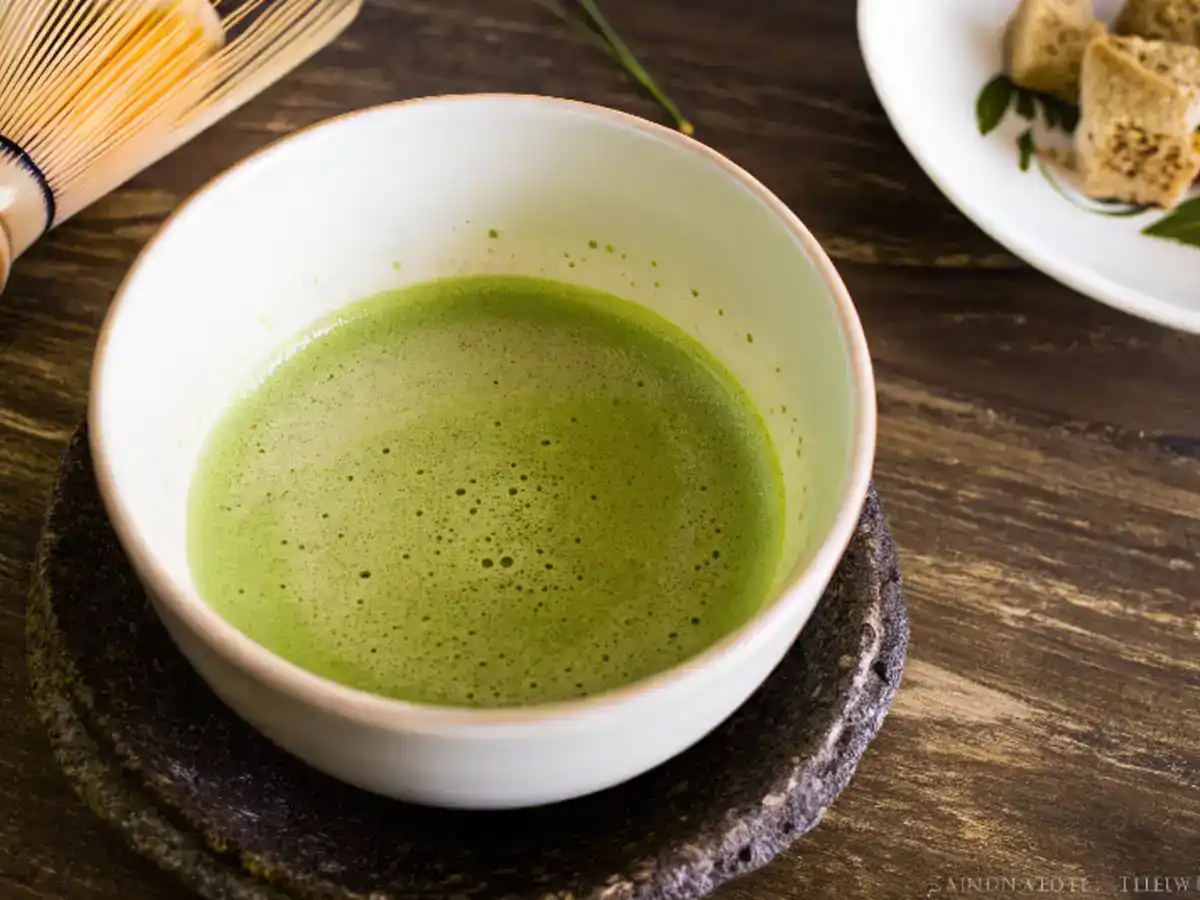
Japanese green tea is more than just a refreshing beverage it is a cultural cornerstone, a ritual of mindfulness, and a testament to centuries of agricultural and culinary refinement. Known in Japan as ryokucha or affectionately as o-cha, this vibrant infusion offers a spectrum of flavors, from the grassy umami of sencha green tea to the toasty warmth of hojicha.
Among the most celebrated types of Japanese Green tea, sencha tea green tea stands out for its balanced profile, making it the most consumed variety across the country. Whether you’re sipping a delicate sencha green tea loose leaf brew or exploring the nutty charm of genmaicha, each cup tells a story of terroir, tradition, and precision.
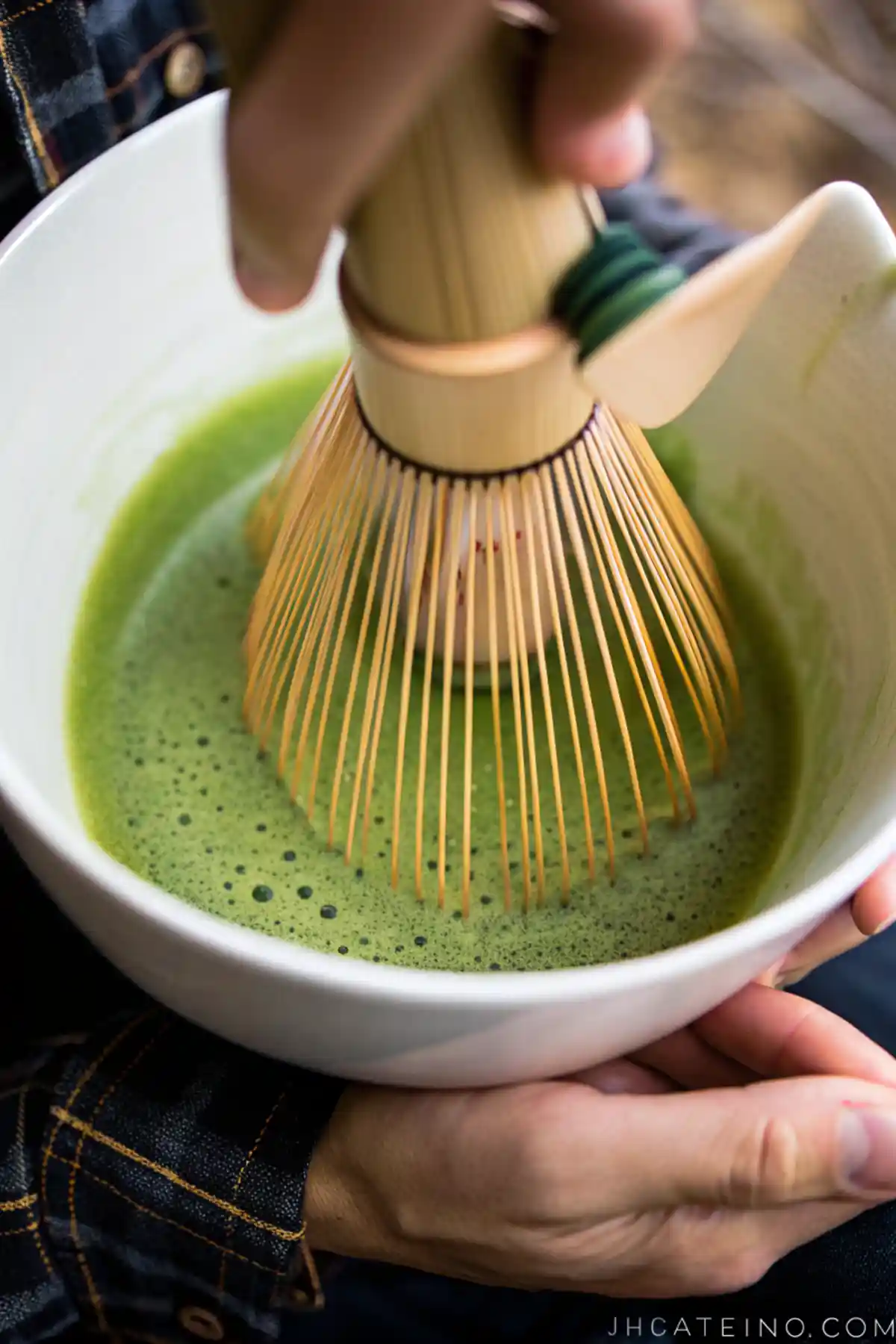
Japanese Green Tea (Sencha & Variations)
Ingredients
Equipment
Method
- Step 1: Measure 10 g of sencha (or alternative) and place in a pre-warmed teapot.
- Step 2: Heat water to the correct temperature based on tea type (Sencha: 176°F, Gyokuro: 140°F, Genmaicha/Hojicha: boiling).
- Step 3: Pour measured water (Sencha: 210 ml, Gyokuro: 160 ml, Genmaicha/Hojicha: 240 ml) over the leaves. Steep: Sencha 60s, Gyokuro 90s, Genmaicha/Hojicha 30–40s.
- Step 4: Serve immediately, pouring every drop into warmed cups. Re-steep leaves 2–3 times, adjusting time and temperature slightly.
Notes
Why Will You Like This Recipe?
This guide delivers authentic, barista-level techniques for brewing the perfect cup of Japanese green tea at home. With precise water temperatures, steeping times, and quality tips, you’ll unlock the full aromatic and health potential of your tea especially when using premium sencha drink leaves. It’s simple, healthy, and deeply satisfying.
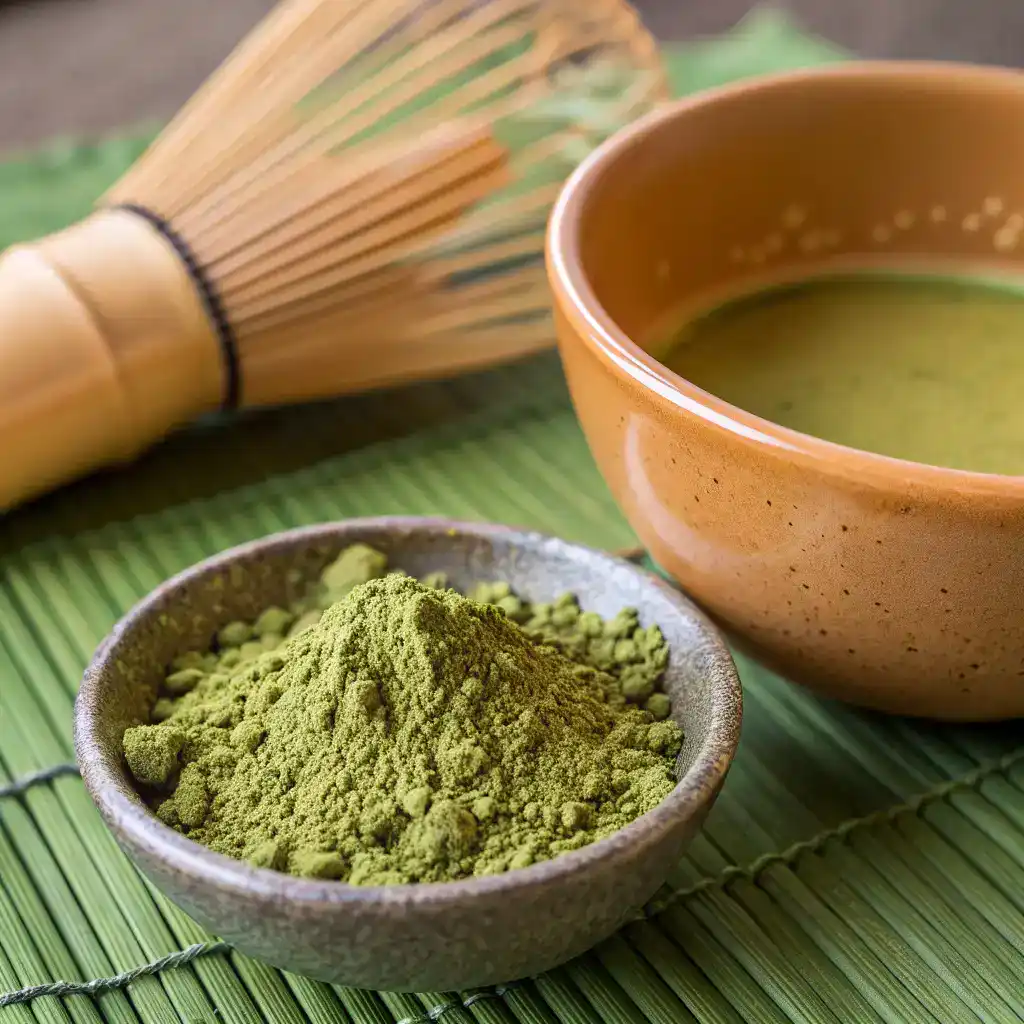
Servings and Timing:
- Prep Time: 1 minute
- Brew Time: 4 minutes
- Total Time: 5 minutes
- Servings: 1 batch :(yields 2–3 small teacups, 160–240 ml)
- Calories: ~0.1 kcal per serving
Ingredients:
Each ingredient plays a crucial role in achieving the ideal flavor, aroma, and mouthfeel of authentic Japanese green tea. Always opt for high-quality, fresh leaves for the best experience.
- 10 grams (0.35 oz) loose-leaf sencha green tea – A classic sencha tea green tea with a fresh, slightly astringent, and sweet finish. Use sencha green tea loose leaf for maximum flavor release.
- 210 ml (7 oz) water at 176°F (80°C) – Ideal temperature to extract sweetness without bitterness.
- 10 grams (0.35 oz) gyokuro leaves (alternative) – A premium Japanese green tea shade-grown for rich umami; use 160 ml water at 140°F (60°C).
- 10 grams (0.35 oz) genmaicha leaves (alternative) – A blend of green tea and roasted brown rice, offering a nutty sencha drink variation; use 240 ml boiling water.
- 10 grams (0.35 oz) hojicha leaves (alternative) – Roasted Japanese green tea with low caffeine; use 240 ml boiling water.
Note: Measurements are standardized for consistency. Adjust slightly based on taste. For non-caffeine sensitivity, hojicha is ideal. Always store tea in an airtight container away from light and moisture.
Preparation Method:
Follow these expert steps to brew a flawless cup of Japanese green tea, whether you’re enjoying sencha green tea or another traditional variety.
Step One: Measure and Prepare the Tea Leaves
Using a digital kitchen scale, measure 10 grams (0.35 oz) of your chosen sencha green tea loose leaf or alternative. Add the leaves directly to a pre-warmed teapot. Pre-warming prevents rapid temperature drop during steeping.
Tip: Over time, you’ll learn the visual volume roughly 2 tablespoons for sencha or gyokuro, 4 for hojicha due to its lighter density.
Step Two: Heat Water to the Correct Temperature
This is critical. Different types of Japanese tea require specific temperatures to balance sweetness and astringency:
- Sencha: 176°F (80°C)
- Gyokuro: 140°F (60°C) : delicate and rich, must not be overheated
- Genmaicha & Hojicha: 212°F (100°C) boiling, as roasting makes them more heat-resistant
Use an electric kettle with temperature control or a thermometer for accuracy.
Step Three: Pour and Steep
Place the teapot on a scale (optional) , and pour the exact water volume:
- Sencha: 210 ml
- Gyokuro: 160 ml
- Genmaicha/Hojicha: 240 ml
Close the lid and start a timer:
- Sencha: 60 seconds
- Gyokuro: 90 seconds
- Genmaicha/Hojicha: 30–40 seconds
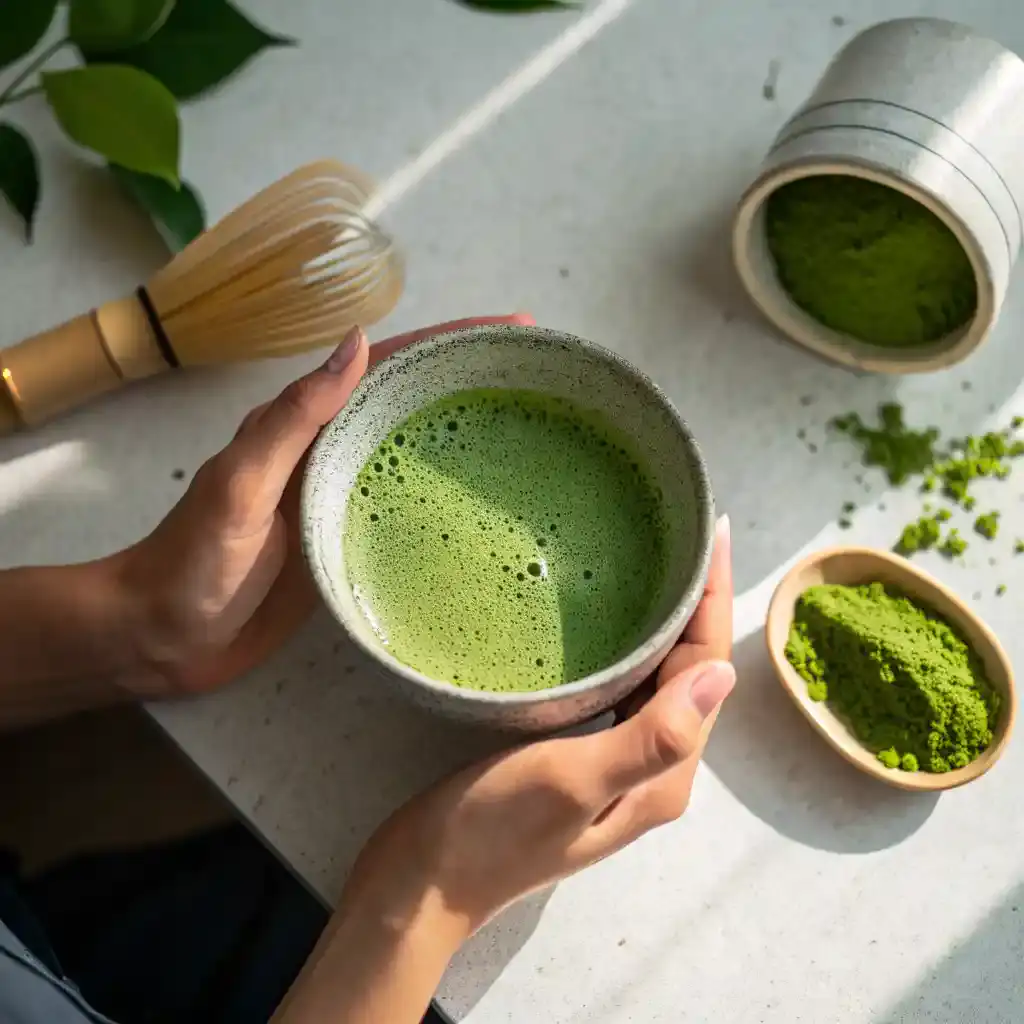
Tip: Avoid over-steeping—bitterness develops quickly in delicate green teas.
Step Four: Serve Immediately and Reuse Leaves
Pour every drop into warmed teacups to evenly distribute flavor. Japanese green tea leaves can typically be steeped 2–3 times, with slight adjustments in time and temperature for subsequent infusions.
Enhancement Tip: For a creamier mouthfeel in sencha drink, try a second steep with hotter water (185°F) for 30 seconds.
Variations and Customizations:
Discover the rich variety of Japanese tea types and enjoy them with these simple customizations:
- Cold Brew Option: Use room-temperature water and steep sencha green tea loose leaf in the fridge for 6–8 hours. Results in a smooth, low-astringency drink.
- Add Citrus (Optional): Although traditionalists prefer hojicha plain, a hint of yuzu or lemon can add a refreshing balance to its roasted flavor.
- Caffeine-Sensitive? Choose hojicha its roasting process reduces caffeine significantly.
- For a Sweeter Profile: Try genmaicha, which naturally tastes nutty and slightly sweet due to the roasted rice.
👉 Get fresh recipe ideas and daily Recipes inspiration follow us on Pinterest today !
Why Japanese Green Tea May Support Weight Loss
Japanese green tea, particularly sencha tea green tea, is rich in catechins especially epigallocatechin gallate (EGCG) which are linked to increased fat oxidation and metabolic rate. Studies suggest that regular consumption, combined with a healthy lifestyle, may support weight management by enhancing calorie burning and reducing fat absorption.
Additionally, its low-calorie nature makes it an excellent replacement for sugary beverages. The mild natural caffeine content also provides a gentle energy boost without the crash, promoting alertness and physical activity.
Top Benefits of Japanese Green Tea
- Rich in Antioxidants: High levels of polyphenols help combat oxidative stress.
- Supports Heart Health: Linked to lower LDL cholesterol and improved blood pressure.
- Boosts Brain Function: Contains L-theanine, which promotes relaxation and focus.
- Aids Digestion: Natural compounds support gut health.
- May Reduce Cancer Risk: Ongoing research highlights potential protective effects due to EGCG.
- Promotes Oral Health: Natural fluoride and antibacterial properties help prevent cavities.
- Hydration with Benefits: Unlike coffee, green tea hydrates while delivering bioactive compounds.
Storage and Reheating:
While Japanese green tea is best enjoyed fresh, proper storage ensures future batches remain flavorful.
- Storage: Keep sencha green tea loose leaf in an airtight, opaque container in a cool, dark place. Avoid refrigeration unless long-term (6+ months), and use a vacuum-sealed bag to prevent moisture and odor absorption.
- Shelf Life: Up to 6–12 months for peak freshness. Flavor diminishes over time.
- Reheating: Not recommended. Green tea loses aroma and can become bitter when reheated. Instead, brew smaller batches or cold-steep for longer enjoyment.
Tips and Additional Ideas:
- Use soft water for a sweeter, smoother taste hard water can mute delicate flavors.
- Invest in a kyusu (traditional Japanese teapot) with a built-in mesh strainer for optimal leaf expansion.
- Warm your teacups with hot water before serving to maintain temperature.
- Pair sencha drink with light Japanese sweets like mochi or dorayaki for a traditional wagashi experience.
- Experiment with first-flush (ichibancha) sencha for a more vibrant, aromatic cup harvested in early spring.
Nutrition Facts (Per Serving – 1 Cup, ~80ml):
| Calories | 0.1 kcal |
| Carbohydrates | 0.03 g |
| Protein | 0.01 g |
| Fat | 0 g |
| – Saturated Fat | 0 g |
| – Trans Fat | 0 g |
| – Unsaturated Fat | 0 g |
| Fiber | 0 g |
| Sugar | 0 g |
| Sodium | 2 mg |
| Potassium | 4 mg |
| Calcium | 30 mg |
| Cholesterol | 0 mg |
Note: Values are approximate and based on plain Japanese green tea without additives.
Frequently Asked Questions (FAQs)
What is special about Japanese green tea?
Unlike Chinese green teas, Japanese varieties are steamed after harvest to halt oxidation, preserving a vibrant green color, fresh grassy flavor, and higher antioxidant content.
Is it good to drink Japanese green tea every day?
Yes, moderate daily consumption (2–3 cups) is associated with numerous health benefits, including improved metabolism and heart health.
What is Japan’s #1 green tea?
Sencha is the most popular type of Japanese tea, accounting for over 80% of domestic tea production.
What is the difference between Japanese green tea and regular green tea?
“Regular” green tea often refers to Chinese varieties, which are pan-fired. Japanese green tea is steamed, resulting in a brighter, more vegetal flavor and higher chlorophyll and catechin levels.
How to say green tea in Japanese?
Green tea is called ryokucha (緑茶). However, it’s often referred to as o-cha (お茶), meaning “the tea.
How do you say green tea in Japanese?
O-cha (お茶) is the common term. Sencha (煎茶) refers specifically to the most common brewed green tea.
Does Japanese green tea have caffeine?
Yes, but levels vary:
Sencha: 20–30 mg per cup
Gyokuro: 30–40 mg (higher due to shading)
Hojicha: 5–10 mg (lowest, due to roasting)
What is green tea in Japanese?
O-cha or ryokucha. Specific types include sencha, gyokuro, genmaicha, and hojicha.
What is in Japanese green tea?
100% Camellia sinensis leaves (except genmaicha, which includes roasted brown rice). No additives in pure sencha green tea loose leaf.
Craving more matcha recipes and daily kitchen inspiration? We’ve got you covered!
👉 For more free daily recipes, follow us on our Facebook page !
Mastering the art of brewing Japanese green tea is a rewarding journey into flavor, wellness, and culture. Whether you choose a refreshing sencha drink, a luxurious gyokuro, or a comforting hojicha, each sip offers a moment of calm and a wealth of health benefits. Try this simple 5-minute method today and experience the true essence of sencha tea green tea fresh, aromatic, and alive with tradition.
Scientific Sources on Matcha
A recent review found that compounds in matcha, such as EGCG and caffeine, may boost metabolism and increase fat oxidation during exercise (Verywell Health). A clinical study on older adults with mild cognitive impairment showed that consuming 2 grams of matcha daily for 12 months improved social cognition and enhanced sleep quality (PLOS One, News Medical). In addition, Harvard researchers suggest that regular matcha intake may support brain and heart health, improve gut microbiome balance, and reduce stress levels (Harvard T.H. Chan School of Public Health).
Disclaimer:
The nutritional values are approximate, based on online calculators, and may vary with ingredients used, though I’ve aimed for the highest accuracy possible.






Leave a comment