


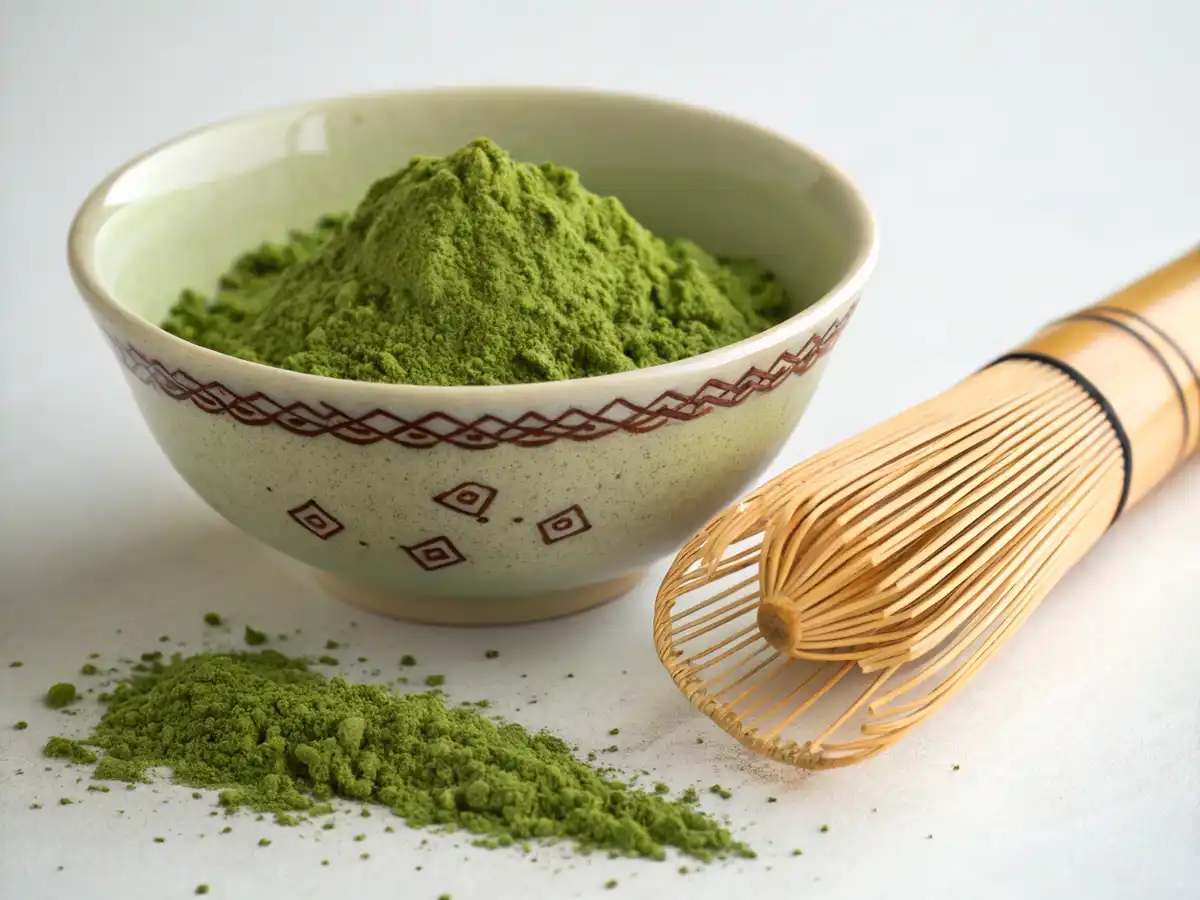
The benefits of matcha have captured mainstream attention in recent years not just as a trendy beverage in coffee shops, but as a celebrated superfood with a rich history and a growing body of scientific support. Originating from traditional Japanese tea ceremonies, this finely ground green tea powder is now a staple in health-conscious diets worldwide. So, what truly sets matcha apart from other types of tea? And more importantly, what are the benefits matcha that have captured the attention of nutritionists, wellness experts, and Gen Z alike?
This article explores the science-backed matcha benefits, from cognitive enhancement to cardiovascular protection, while answering common questions such as: Is matcha good for you? Does matcha tea have caffeine? Is matcha good for weight loss? We’ll also uncover the matcha benefits latte and how incorporating matcha green tea into your daily routine may support long-term health.
Why Matcha May Support Weight Loss
A common question that often arises is: Is matcha good for weight loss? The answer is strongly supported by scientific research and ties into the wider benefits of matcha. This vibrant green tea is packed with catechins especially epigallocatechin gallate (EGCG) a potent antioxidant known to increase metabolism and support fat oxidation.
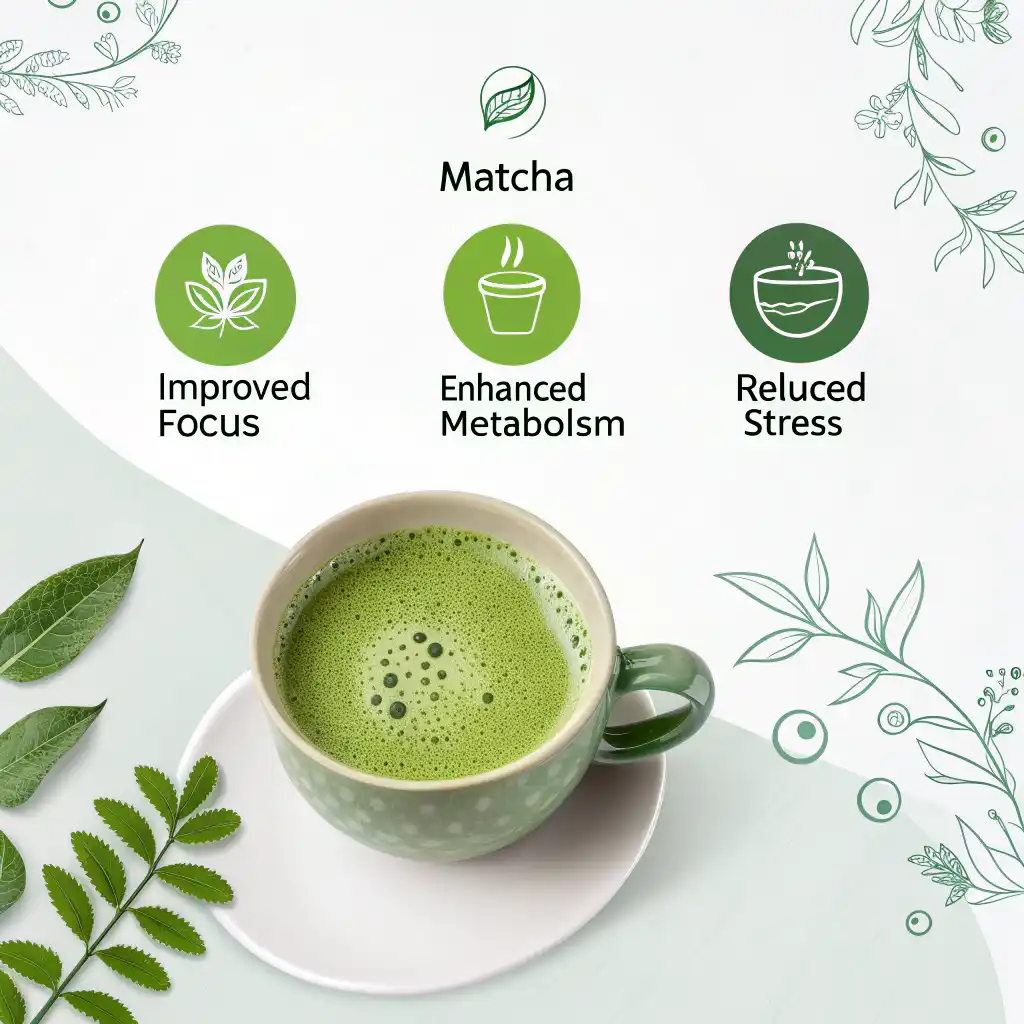
A 2020 review published in Obesity Reviews concluded that green tea extract rich in the same compounds found in matcha taken alongside diet and exercise for 12 weeks, could reduce body mass index (BMI) and waist circumference. While most studies focus on green tea, the benefits of matcha are potentially more potent due to its concentrated form, as you consume the entire tea leaf.
Additionally, the combination of moderate caffeine and L-theanine in matcha provides a sustained energy boost without the jitters, making it an excellent pre-workout beverage that may enhance physical performance and calorie burn.
Top Benefits of Matcha: What Science Says
The benefits of matcha powder extend far beyond weight management. Let’s explore the top evidence-based advantages of incorporating this vibrant green tea into your lifestyle.
1. High in Antioxidants: A Shield Against Cellular Damage
One of the most widely recognized advantages of matcha green tea is its remarkably high antioxidant levels. Matcha is rich in polyphenols, particularly catechins, which help neutralize harmful free radicals in the body. These unstable molecules contribute to oxidative stress, a key driver of aging and chronic diseases like cancer and heart disease.
Because matcha is shade-grown, its chlorophyll and catechin levels are significantly higher than in regular green tea. In fact, one study found that matcha delivers up to three times more antioxidants than standard green tea when prepared correctly. This makes matcha a powerful ally in promoting cellular health and longevity.
2. Supports Liver Health
The liver is essential for detoxification, metabolic functions, and nutrient management. Early studies suggest that the benefits of matcha, particularly its antioxidants, may support liver health by protecting it from damage.
A 2015 review of 15 studies linked green tea consumption to a reduced risk of liver disease. While more human trials are needed, some evidence indicates that matcha may help lower liver enzyme levels in people with nonalcoholic fatty liver disease (NAFLD), though high doses may have the opposite effect in healthy individuals. Therefore, moderation is key.
3. Enhances Brain Function and Mental Clarity
If you’re wondering, what does matcha tea do to you? the answer may lie in your brain. The matcha benefits latte aren’t just about taste; they include measurable cognitive improvements.
Matcha is rich in L-theanine, an amino acid known for encouraging a state of calm alertness without causing sleepiness. When combined with caffeine, L-theanine enhances alpha wave activity in the brain, leading to improved focus, attention, and reaction time. One small study found that participants who consumed matcha showed better memory and task performance compared to those who took a placebo.
With 38–89 mg of caffeine per 8-ounce serving, matcha offers a clean, alert energy without the crash often associated with coffee. This synergy makes it a favorite among students, professionals, and anyone seeking mental clarity.
4. Promotes Heart Health
Heart disease remains a leading cause of death globally, but diet can play a protective role. The benefits of matcha powder include potential cardiovascular support.
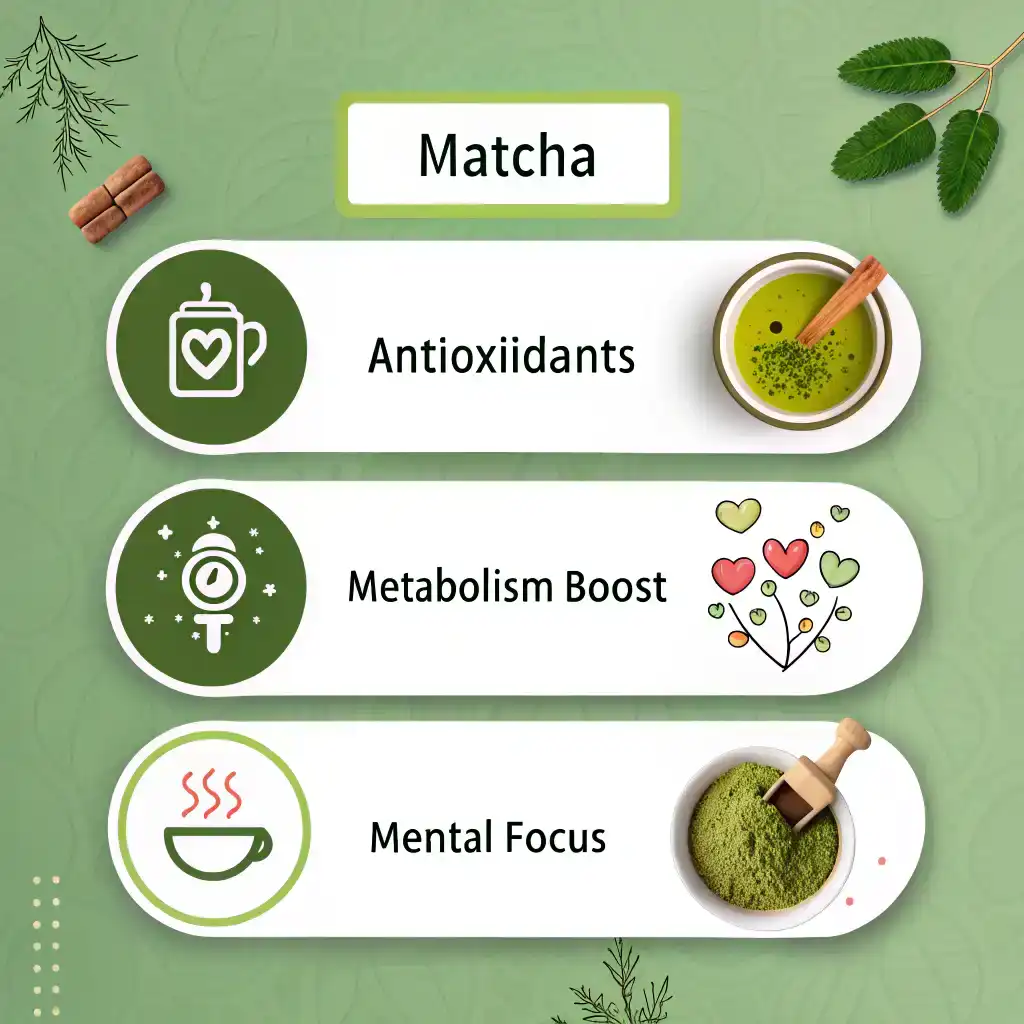
Studies show that green tea consumption is associated with lower LDL (“bad”) cholesterol, reduced blood pressure, and improved blood vessel function. Since matcha contains similar and often higher levels of bioactive compounds, it may offer comparable heart-protective effects. However, more targeted research on matcha is needed to confirm these findings.
5. May Help Prevent Cancer
While no food can cure cancer, certain compounds in matcha show promising anti-cancer properties in laboratory and animal studies. EGCG, the dominant catechin in matcha, has been shown to inhibit the growth of cancer cells and induce apoptosis (programmed cell death) in various cancer types, including breast, prostate, and liver cancer.
Though human trials are limited, the benefits of matcha, including its antioxidant and anti-inflammatory effects, suggest it may play a supportive role in cancer prevention when consumed as part of a balanced diet.
6. Easy to Prepare and Versatile in Use
One of the greatest benefits of matcha is its ease of use. Whether you prefer a traditional tea, a creamy latte, or a vibrant smoothie, matcha blends seamlessly into a variety of recipes.
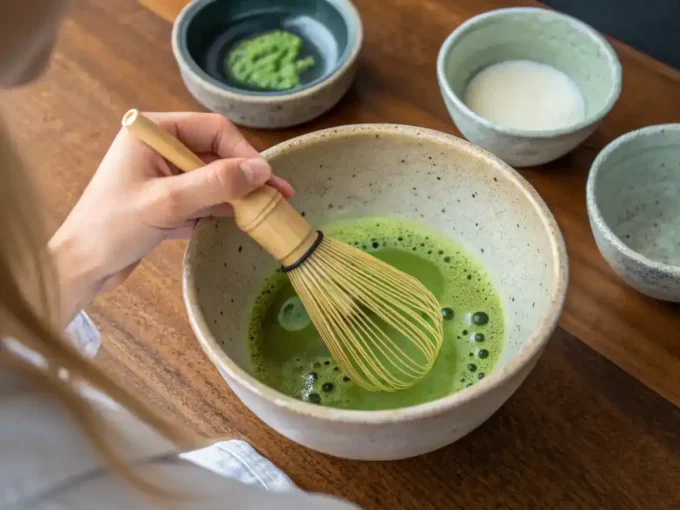
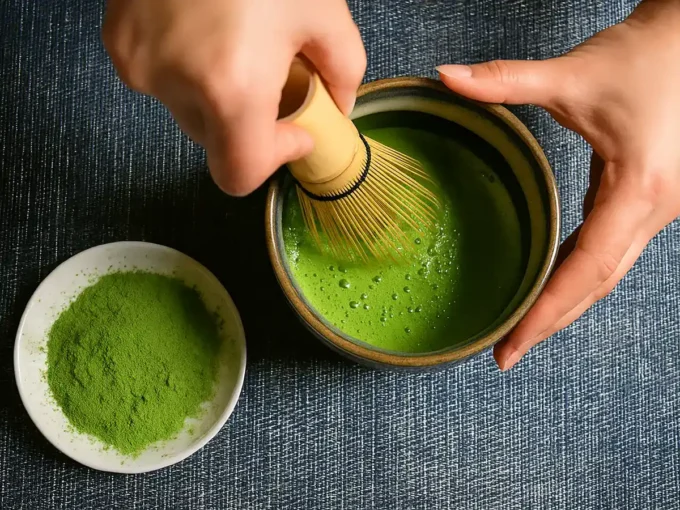
To prepare a classic matcha tea:
- Sift 1–2 teaspoons (2–4g) of matcha powder into a cup.
- Add 2 ounces (60ml) of hot (not boiling) water.
- Whisk vigorously with a bamboo whisk until frothy.
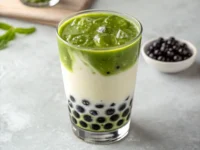
For a matcha latte, simply add steamed milk (dairy or plant-based) and a touch of honey or maple syrup. Matcha can also be added to oatmeal, yogurt, baked treats, and even savory recipes such as salad dressings or energy bites.
7. Supports Daily Wellness and Longevity
Regular consumption of matcha may contribute to overall well-being. Its rich nutrient profile including vitamins A, C, E, selenium, chromium, zinc, and magnesium supports immune function, skin health, and metabolic balance.
But the question remains: What happens when you drink matcha daily? For most people, 1–2 cups per day can enhance energy, focus, and antioxidant intake. However, due to its caffeine and catechin content, excessive intake may lead to side effects like insomnia or liver strain in sensitive individuals.
Does Matcha Tea Have Caffeine? Understanding the Energy Boost
Yes, does matcha tea have caffeine? It does, containing more than regular green tea but less than coffee. An 8-ounce serving usually provides 38–89 mg of caffeine, depending on the grade and preparation, which plays a role in the matcha benefits for boosting mental energy and enhancing focus.
What sets matcha apart is the presence of L-theanine, which modulates the effects of caffeine, resulting in a calm, focused alertness. This unique combination is why many people report feeling “awake but relaxed” after drinking matcha unlike the jittery high from coffee.
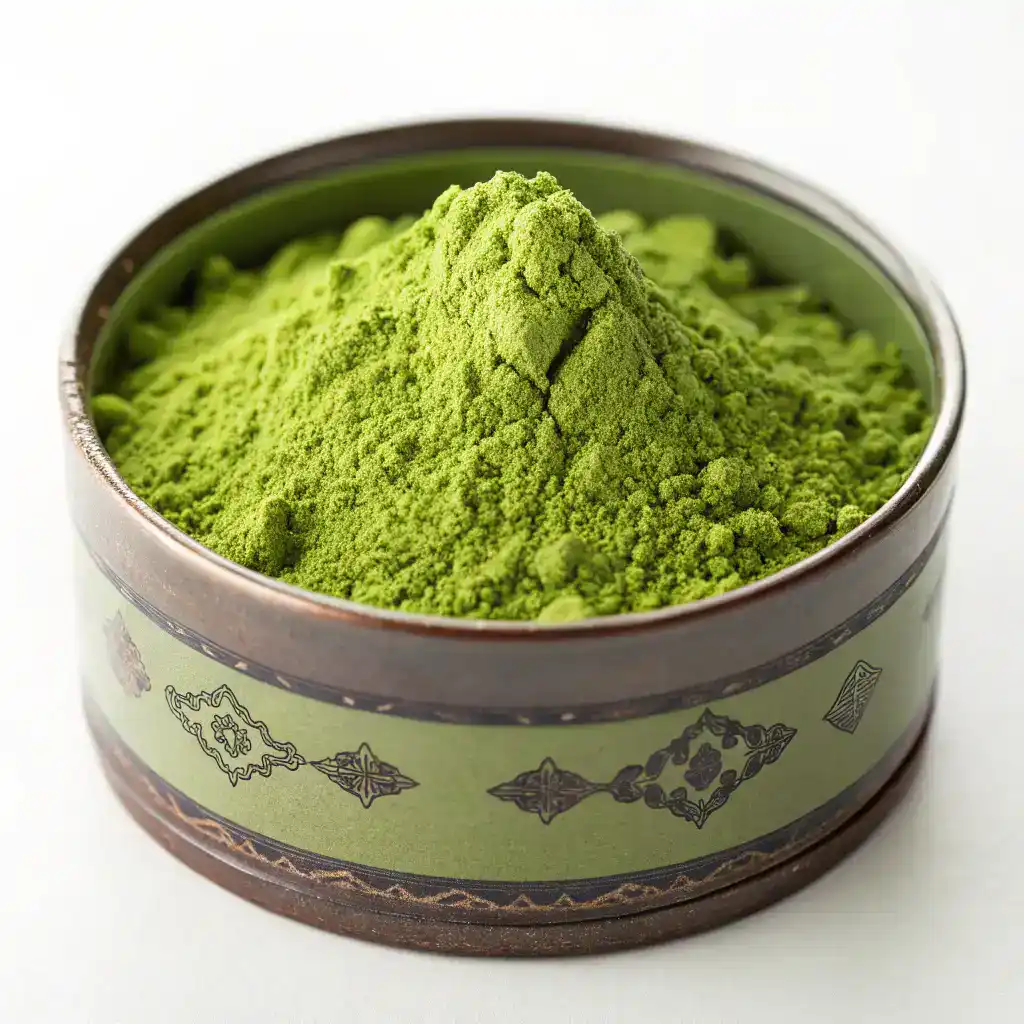
Matcha Tea Benefits
Matcha tea offers a wide range of health advantages that go beyond a regular cup of green tea. Rich in antioxidants, particularly EGCG, it helps combat free radicals and supports overall wellness. Regular consumption of matcha tea can boost energy and mental focus, enhance metabolism, and aid in weight management. Additionally, its calming amino acid, L-theanine, promotes relaxation without causing drowsiness, making it a perfect choice for both mind and body. With its unique combination of nutrients, matcha tea provides a natural, effective way to support your daily health.
Nutrition Facts (Per 1 Teaspoon of Matcha Powder – Approx. 2g)
| Calories | 6 kcal |
| Protein | 0.6 g |
| Fat | 0.1 g |
| – Saturated Fat | 0 g |
| – Trans Fat | 0 g |
| – Unsaturated Fat | 0.1 g |
| Carbohydrates | 1.2 g |
| – Dietary Fiber | 0.3 g |
| – Sugars | 0.1 g |
| Sodium | 1 mg |
| Cholesterol | 0 mg |
| Caffeine | ~40 mg |
| Antioxidants (EGCG) | ~100–150 mg |
Note: Values are approximate and may vary based on brand and preparation method.
Frequently Asked Questions (FAQs)
hat are the benefits of matcha?
Matcha offers antioxidant protection, supports brain and liver health, may aid in weight management, and promotes heart health.
What are the benefits of matcha tea?
Drinking matcha tea can enhance focus, boost metabolism, reduce oxidative stress, and improve overall well-being.
What are the benefits of matcha green tea?
The benefit of matcha green tea lies in its concentrated form, delivering higher levels of EGCG, L-theanine, and chlorophyll than steeped green tea.
What Are the Matcha Benefits?
Key health benefits of matcha include improved cognition, reduced inflammation, better insulin sensitivity, and potential cancer-protective effects.
What are the health benefits of matcha tea?
Matcha tea supports mental clarity, cardiovascular function, and detoxification due to its rich antioxidant and nutrient content.
What are the benefits of having matcha?
Regular consumption may improve energy, focus, digestion, and long-term disease prevention.
What happens when you drink matcha daily?
Drinking matcha daily (1–2 cups) may enhance alertness, support metabolism, and increase antioxidant intake though moderation is advised.
Why is Gen Z obsessed with matcha?
Gen Z values wellness, sustainability, and aesthetic experiences. Matcha fits perfectly offering clean energy, Instagram-worthy lattes, and plant-based nutrition.
Does matcha burn belly fat?
While no food specifically “burns” belly fat, is matcha good for weight loss? Yes—when combined with a healthy diet and exercise, matcha may help reduce overall body fat, including abdominal fat, by boosting fat oxidation.
Is matcha good for you
Yes! Matcha benefits include boosting energy, improving focus, supporting metabolism, and promoting overall health. Enjoyed in moderation, it’s a delicious way to enhance wellness naturally.
Tips and Additional Ideas
- Use ceremonial-grade matcha for drinking and culinary-grade for baking or smoothies.
- Sift the powder before mixing to avoid clumps and ensure a smooth texture.
- Add a pinch of cinnamon or turmeric to your matcha latte for extra anti-inflammatory benefits.
- Sweeten naturally with honey, maple syrup, or a few drops of stevia.
- Pair with healthy fats like coconut milk or almond butter to enhance the absorption of fat-soluble antioxidants.
Get fresh recipe ideas and daily Recipes inspiration — follow us on Pinterest today!
After reviewing the evidence, the answer is a clear yes: matcha benefits are undeniable when this vibrant green tea is enjoyed in moderation. From its remarkable antioxidant profile to its ability to support brain function and metabolism, matcha benefits are both diverse and scientifically supported.
Whether you enjoy it as a quiet morning tea, a creamy latte, or a vibrant addition to your smoothie bowl, matcha offers a delicious and nutritious way to elevate your daily routine. So why not give it a try? Your body and mind might just thank you.
Disclaimer:
These nutritional values are approximate, calculated using online tools, and may vary depending on the specific ingredients used. Understanding the benefits of matcha can help you make informed choices about including it in your diet. Always consult with a healthcare provider before making significant dietary changes, especially if you have underlying health conditions or are pregnant.













Leave a comment