



In recent years, the debate around matcha tea caffeine vs coffee has gained momentum among health-conscious individuals, wellness enthusiasts, and caffeine seekers alike. While coffee remains the world’s most popular stimulant beverage, matcha a finely ground powder made from shade-grown green tea leaves has emerged as a powerful, balanced alternative.
But how do these two beverages truly compare? Is matcha caffeine content vs coffee significantly different? Does matcha tea have caffeine at all? And what are the real differences in how they affect your mind and body?
In this in-depth article, we’ll explore everything you need to know about matcha Tea caffeine vs coffee, from exact caffeine levels to long-term health impacts, energy sustainability, and even weight management benefits. Whether you’re sipping for focus, flavor, or fitness, this guide will help you make an informed choice.
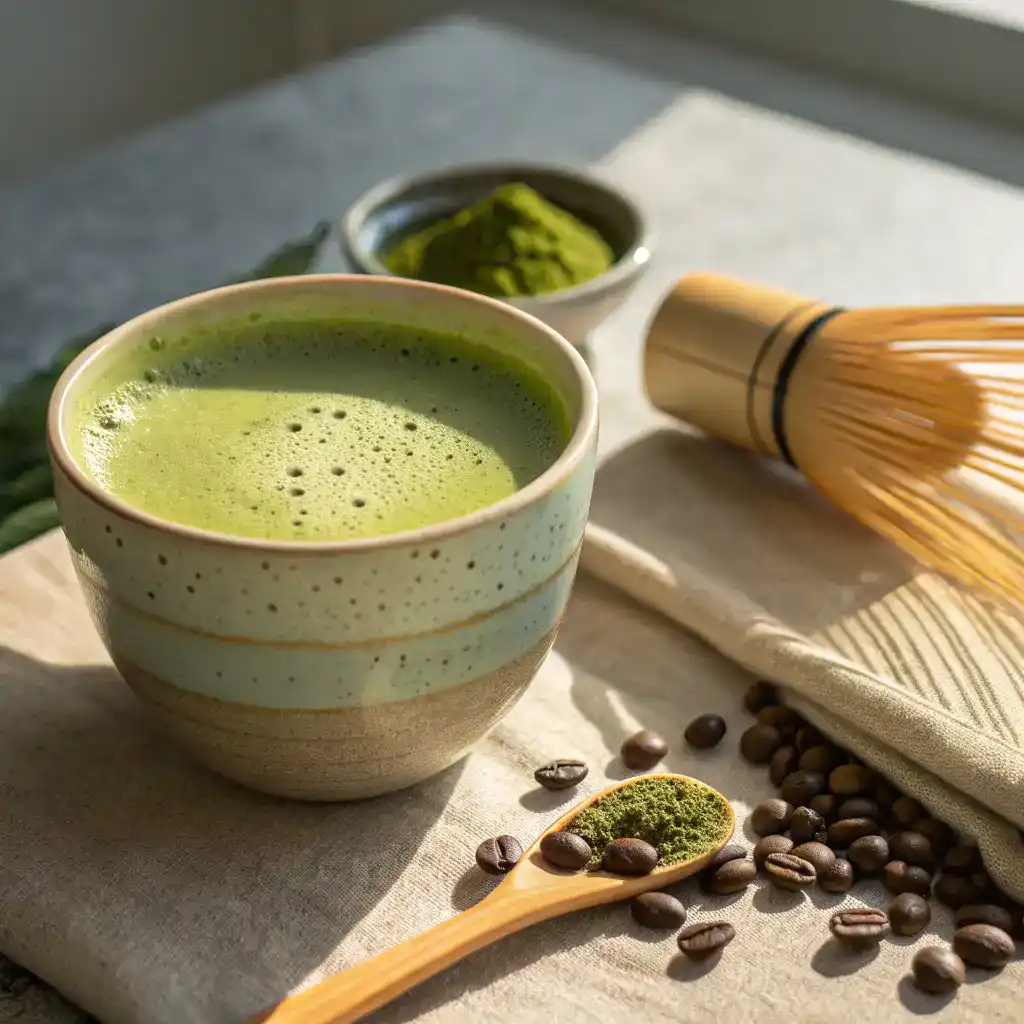
What is Matcha?
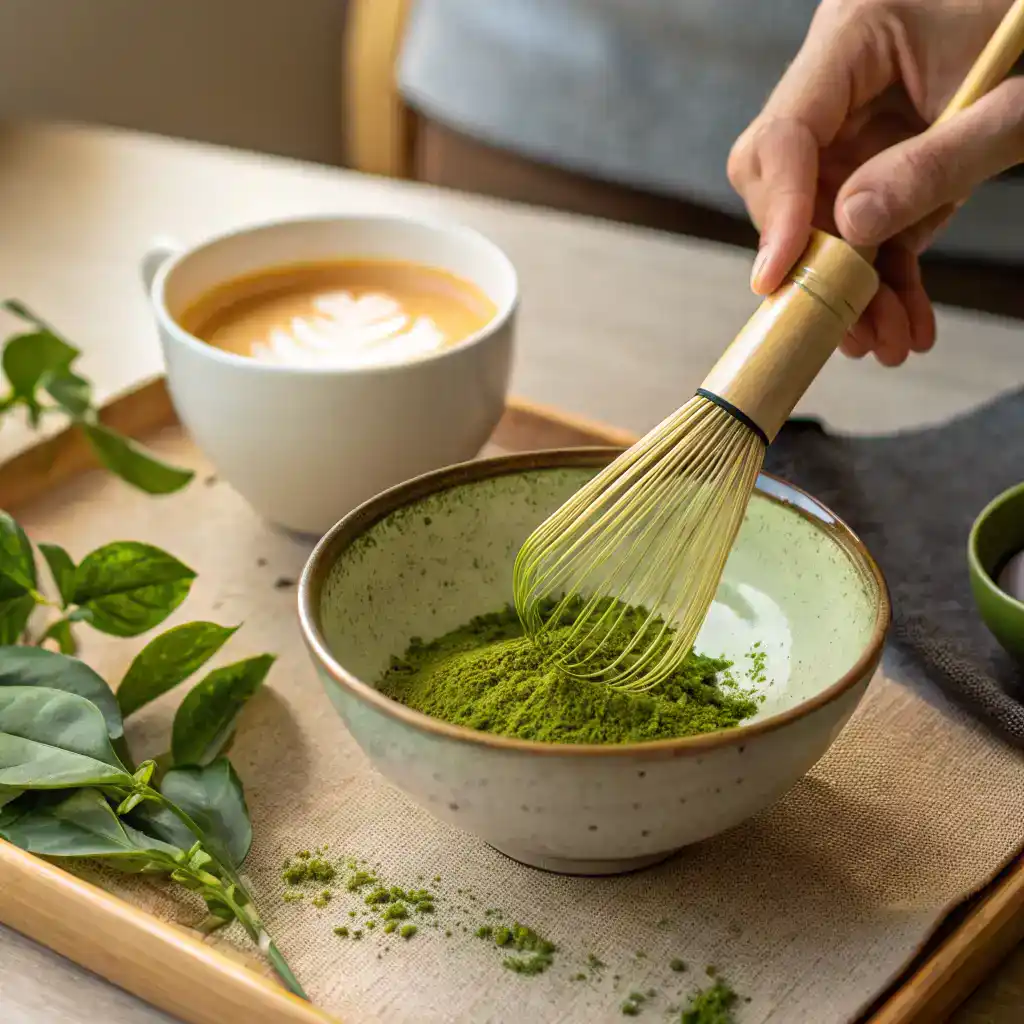
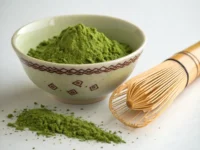
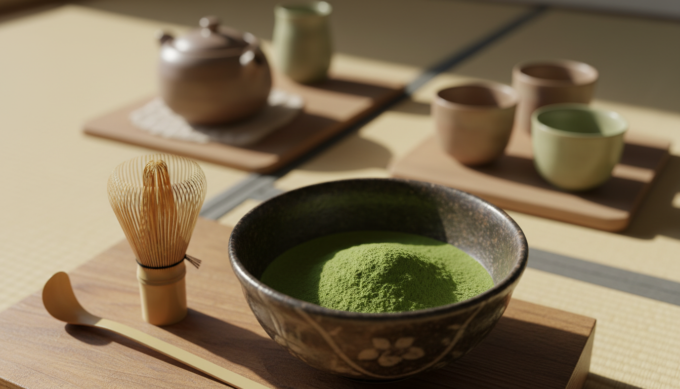
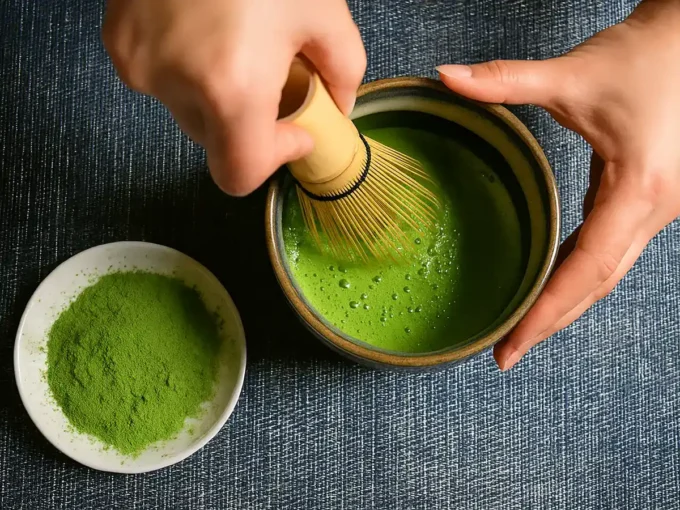
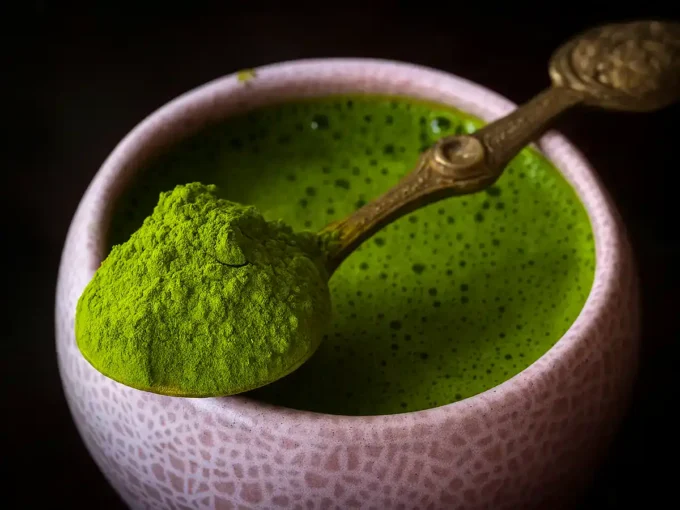
Matcha is a high-quality Japanese green tea made by finely grinding shade-grown Camellia sinensis leaves into a bright green powder. Unlike traditional teas where leaves are steeped and discarded, matcha is consumed in its entirety, meaning you ingest all the nutrients, antioxidants, and natural compounds present in the leaf.
The distinctive cultivation method includes shading the tea plants for 20–30 days prior to harvest. This increases chlorophyll production (giving matcha its rich green hue) and boosts levels of L-theanine, an amino acid known for promoting relaxation without drowsiness.
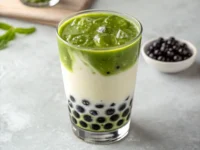
Originally used in Japanese tea ceremonies, matcha has become a worldwide favorite, appearing in lattes, smoothies, baked goods, and even savory recipes. Its earthy, umami-rich flavor pairs well with both sweet and savory profiles, making it a versatile ingredient in modern cuisine. Beyond its taste, many people also compare matcha tea caffeine vs coffee, noting that matcha provides a smoother, more sustained energy boost without the jitters often linked to coffee.
How Much Caffeine is in Matcha?
One of the most frequently asked questions is: does matcha tea have caffeine? The answer is a definitive yes.
Matcha contains a moderate amount of caffeine, but the experience it delivers is vastly different from that of coffee. On average:
One teaspoon (about 1 gram) of matcha contains 19–44 mg of caffeine.
As most standard servings contain 1–2 teaspoons (about 2 grams) of matcha powder, a typical cup provides roughly 38–88 mg of caffeine, depending on the quality, preparation method, and brand.
So, to answer how much caffeine is in a tsp of matcha you can expect roughly 20–45 mg per teaspoon.Traditionally savored in Japanese tea ceremonies, matcha has become popular worldwide in lattes, smoothies, and baked treats.
Its earthy, umami flavor makes it versatile for both sweet and savory dishes.
When comparing matcha tea caffeine vs coffee, matcha provides a gentler energy lift, higher than green tea but lower than coffee.
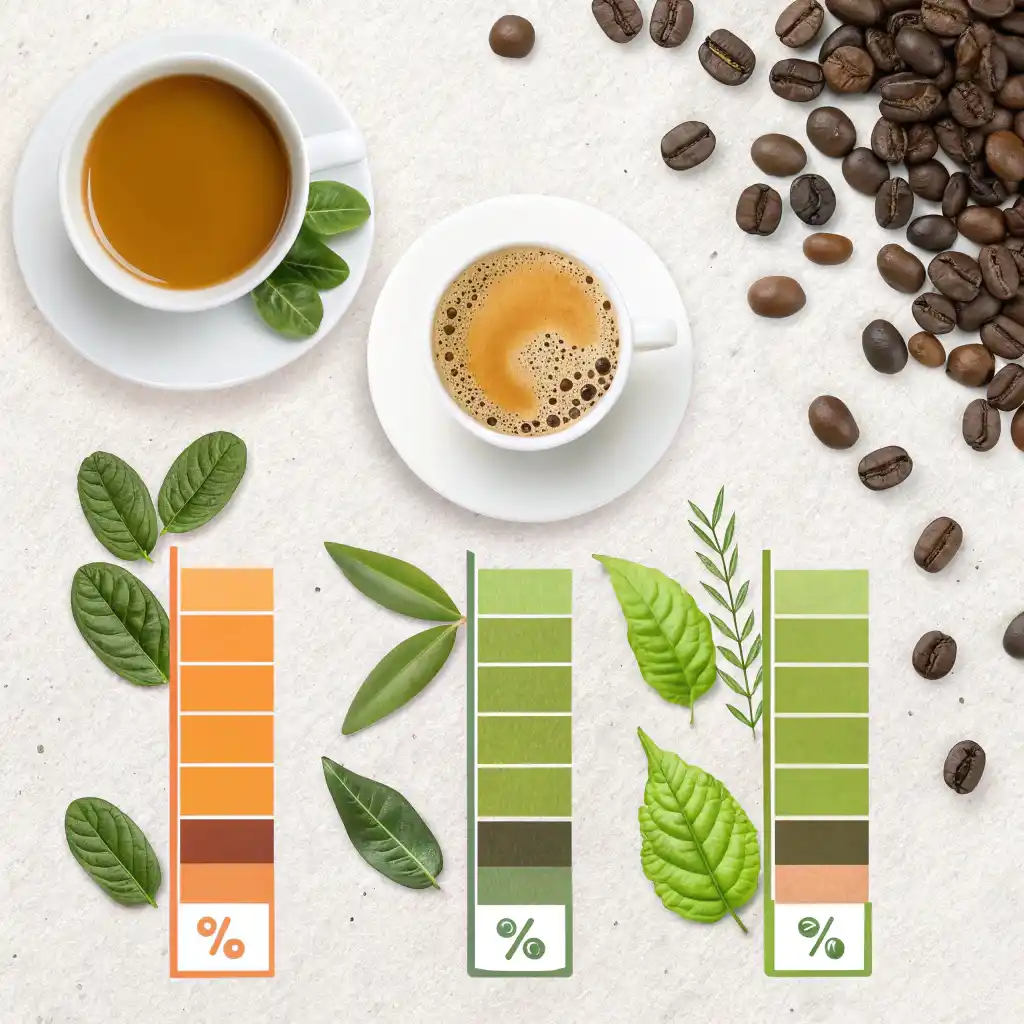
Caffeine Content in an Average Cup of Matcha
An average 8-ounce cup of matcha prepared with 2 grams of high-quality powder contains about 60–70 mg of caffeine. However, ceremonial-grade matcha may contain slightly more due to higher concentrations of active compounds.
Several factors influence the final matcha caffeine content vs coffee:
- Grade of matcha (ceremonial vs. culinary)
- Amount of powder used
- Water temperature
- Brewing time
Traditionally enjoyed in Japanese tea ceremonies, matcha is now found in lattes, smoothies, and baked goods.
Its earthy flavor suits sweet and savory recipes alike.
When looking at matcha tea caffeine vs coffee, higher-quality leaves and larger servings naturally raise caffeine content, though matcha rarely surpasses 90 mg per cup.
Does Coffee or Matcha Contain More Caffeine?
When comparing matcha tea caffeine vs coffee, the answer depends on serving size and preparation method.
Let’s break it down:
| Matcha (8 oz, 2g) | 60–70 mg |
| Drip Coffee (8 oz) | 95–100 mg |
| Espresso (1 oz) | 63 mg |
| Cold Brew (8 oz) | 100–200 mg |
So, does coffee or matcha contain more caffeine? In most cases, a standard serving of coffee contains more caffeine than matcha.
A typical 8-ounce cup of brewed coffee delivers around 95 mg of caffeine, which is significantly higher than the average 64 mg found in a comparable serving of matcha.
However, while matcha tea caffeine content vs coffee may be lower, the quality and duration of the energy boost differ dramatically thanks to one key compound: L-theanine.
Difference in Caffeine Effects Between Matcha and Coffee
hile how much caffeine is in matcha tea vs coffee matters, the way caffeine affects your body is just as important.
☕ Coffee: Fast-Acting, Short-Lived Energy
- Caffeine from coffee is quickly absorbed into the bloodstream.
- Leads to a quick spike in alertness and focus within 10–15 minutes.
- Often followed by a “crash” due to sudden drop in energy.
- Can cause jitters, anxiety, or heart palpitations in sensitive individuals.
🍵 Matcha: Sustained, Calm Alertness
- Contains L-theanine, which modulates caffeine absorption.
- Promotes alpha brain wave activity, linked to relaxed focus and mental clarity.
- Results in a gradual release of energy over 3–6 hours without the crash.
- Reduces the likelihood of anxiety or jitteriness.
This synergy between L-theanine and caffeine is why many people describe matcha as providing a “calm energy”a state of alertness without agitation. It’s no wonder Zen monks historically used matcha to stay focused during long meditation sessions, a practice that today sparks comparisons like Matcha Tea Caffeine Vs Coffee.
So while matcha tea caffeine vs coffee may be lower in quantity, its quality of stimulation is often considered superior for concentration, productivity, and emotional balance.
Other Differences Between Matcha & Coffee
Beyond caffeine, there are several important differences between matcha and coffee:
| Antioxidant Content | Extremely high (especially EGCG) | Moderate |
| Taste Profile | Earthy, vegetal, slightly sweet | Bitter, acidic, roasted |
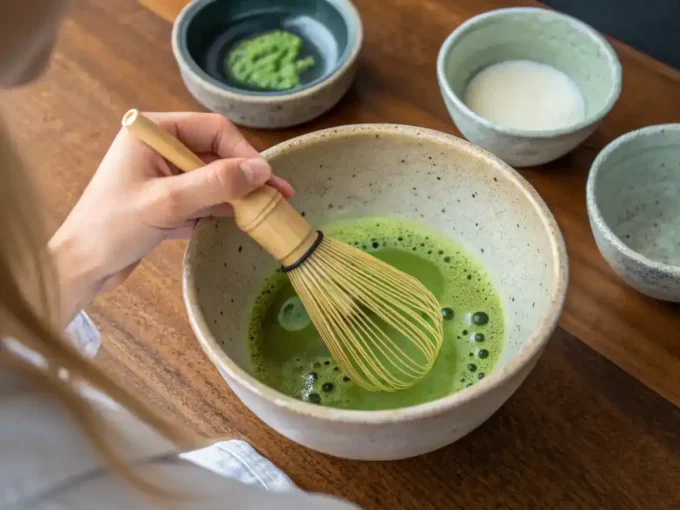
| Preparation Method | Whisked in water or milk | Brewed via drip, French press, espresso, etc. |
| Cost | Higher (especially ceremonial grade) | Generally affordable |
| Availability | Growing, but still limited | Widely available globally |
| Nutrient Density | Rich in chlorophyll, vitamins A, C, E, K, and minerals | Contains some B vitamins and minerals, but less overall |
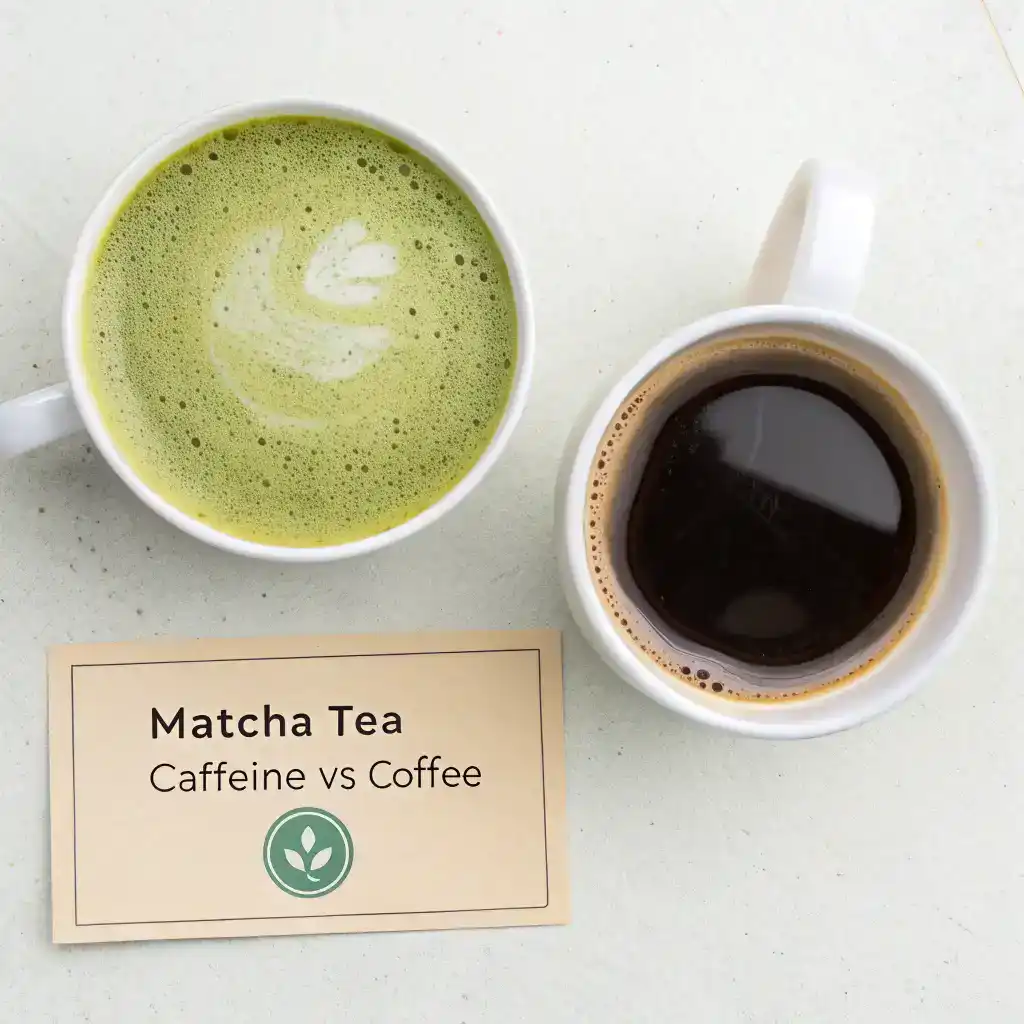
Matcha also offers a broader spectrum of polyphenols and catechins, particularly epigallocatechin gallate (EGCG), which has been studied for its anti-inflammatory, anti-cancer, and metabolism-boosting properties an added benefit often highlighted in discussions of Matcha Tea Caffeine Vs Coffee.
Drinking Coffee Vs Matcha: Which Is Right for You?
Deciding whether to drink coffee or matcha ultimately depends on your lifestyle, caffeine sensitivity, and the effects you seek.
- Choose coffee if:
You want a strong, immediate energy boost (e.g., first thing in the morning).
You enjoy bold flavors and don’t mind potential jitters.
You’re looking for a cost-effective, widely accessible option. - Choose matcha if:
You want a gentle, steady boost of energy without the typical crashes.
You value mental clarity, calm focus, and reduced anxiety.
You’re interested in antioxidant-rich, nutrient-dense beverages.
Many people now take a hybrid approach, drinking coffee in the morning and switching to matcha in the afternoon to prevent overstimulation.
Why Matcha May Support Weight Loss
One of the standout benefits of matcha is its potential role in weight management.
Several studies suggest that matcha tea caffeine vs coffee may offer unique advantages for fat oxidation and metabolism:
- Thermogenic Effect: Matcha can increase calorie burning by up to 40% for a short period after consumption.
- Fat Oxidation: The combination of caffeine and EGCG enhances the body’s ability to burn fat, especially during exercise.
- Appetite Regulation: L-theanine may help curb stress-related eating and enhance feelings of fullness.
While matcha caffeine content vs coffee is lower, its synergistic compounds make it a powerful tool in a holistic weight-loss strategy.
Top Benefits of Matcha Tea
- Rich in Antioxidants – One cup of matcha may contain 137 times more antioxidants than low-grade green tea.
- Enhances Focus & Calm – The L-theanine and caffeine combo promotes alpha brain waves for relaxed alertness.
- Supports Detoxification – The high chlorophyll content helps the body eliminate heavy metals and toxins.
- Boosts Immunity – Rich in vitamins, minerals, and natural antimicrobial compounds.
- Promotes Heart Health – May help lower LDL cholesterol and support healthy blood pressure.
- Aids in Longevity – Regular consumption linked to reduced risk of chronic diseases.
The Benefits of Coffee
While matcha shines in certain areas, coffee also offers compelling advantages:
- Cognitive Boost: Improves memory, reaction time, and mental performance.
- Physical Performance: Increases adrenaline levels, enhancing athletic output.
- Disease Prevention: Associated with lower risks of Parkinson’s, Alzheimer’s, type 2 diabetes, and liver disease.
- Mood Enhancement: Stimulates dopamine production, potentially reducing depression risk.
- Accessibility & Variety: Available in countless forms (espresso, cold brew, pour-over) and easy to customize.
For more free daily recipes, follow us on our Facebook page!
And for endless culinary ideas and visual inspiration, follow us on Pinterest today !
Storage and Reheating (with focus on matcha tea caffeine vs coffee)
To preserve freshness and potency especially the delicate matcha tea caffeine vs coffee balance proper storage is key.
Storage Tips:
- Keep matcha in a sealed container, stored away from light, heat, and moisture.
- Keep it in the refrigerator or freezer for longer shelf life (up to 6 months).
- Avoid exposure to air to prevent oxidation and flavor loss.
- Coffee should also be stored in a cool, dark place, preferably in whole bean form until use.
Reheating Matcha:
- Although matcha is best consumed fresh, leftover matcha lattes can be reheated gently.
- Warm on the stovetop with a little milk to bring back its creamy texture.
- Avoid boiling, as high heat can degrade nutrients and alter taste.
Note: Repeated heating may reduce antioxidant efficacy and slightly affect matcha caffeine content vs coffee, though the change is minimal.
Frequently Asked Questions (FAQs):
How much caffeine in matcha tea vs coffee?
An average cup of matcha contains 60–70 mg of caffeine, while drip coffee has 95–100 mg. When considering Matcha Tea Caffeine Vs Coffee, coffee generally has more caffeine per serving.
How much caffeine in matcha green tea vs coffee?
Matcha green tea contains more caffeine than regular green tea, yet less than most types of coffee.It provides a smoother, longer-lasting energy boost.
Is matcha more caffeine than coffee?
No. Despite common misconceptions, matcha has less caffeine than coffee per standard serving.
Is matcha better for anxiety than coffee?
Yes. Thanks to L-theanine, matcha promotes calm focus and reduces jitteriness, making it a better choice for those prone to anxiety.
What are the cons of matcha tea?
– Can be expensive (especially high-grade matcha).
– May contain heavy metals if sourced from polluted regions.
– Contains caffeine, so not ideal for evening consumption.
– Overconsumption may lead to liver strain in rare cases.
Can I drink matcha if I can’t have caffeine?
No matcha does contain caffeine. However, decaffeinated matcha is available for those sensitive to caffeine or avoiding stimulants.
While the Matcha Tea Caffeine Vs Coffee debate continues, one thing is clear: matcha offers a unique, holistic form of energy that supports both mind and body. With its rich antioxidant profile, calm-alert effect, and potential weight-loss benefits, it’s more than just a coffee alternative it’s a lifestyle upgrade.
So why not give it a try? Brew a cup of high-quality matcha, savor its earthy depth, and experience the difference for yourself. Whether you’re looking to reduce jitters, enhance focus, or simply enjoy a nutrient-packed beverage, remember that the choice between Matcha Tea Caffeine Vs Coffee goes beyond numbers it’s about how you want to feel every day.
Embrace the ritual. Feel the balance. Enjoy the journey.
Disclaimer
The nutritional values provided are approximate and based on standard online calculators and ingredient databases. Actual values may vary depending on the brand, preparation method, and added ingredients. This article is for informational purposes only and is not intended as medical advice. Always consult a healthcare professional before making significant dietary changes, especially if you have underlying health conditions or are pregnant.







Leave a comment