



When I first began my journey with matcha, I thought all I needed was good green tea powder and hot water. My first attempt, however, proved me wrong. Using only a spoon, I stirred the tea and ended up with a clumpy, bitter drink that tasted nothing like the smooth, frothy matcha I had admired online. That disappointment was my first lesson in understanding the importance of the Matcha Whisk.
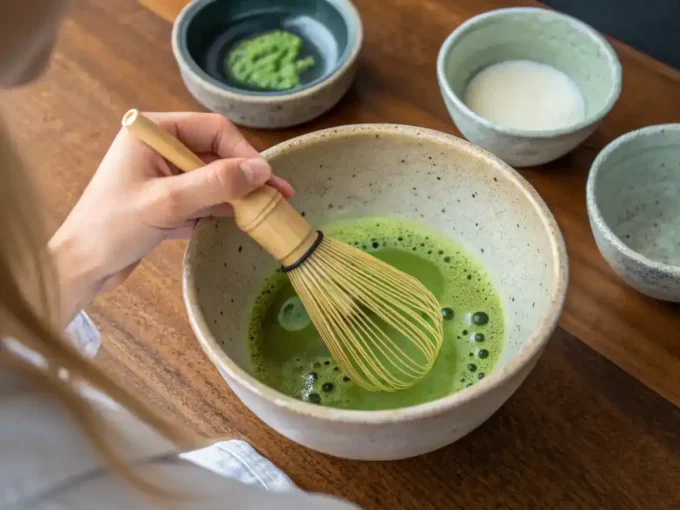
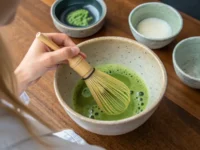
A few weeks later, I purchased my first bamboo chasen, also known as the Matcha Whisk. The moment I whisked the tea in a zigzag motion, something magical happened. The matcha powder dissolved evenly, creating a silky foam on top that looked and tasted authentic. It was in that moment I realized the whisk wasn’t just a tool—it was the gateway to experiencing matcha the way it was meant to be enjoyed.
What surprised me most was that this small bamboo matcha with whisk held so much cultural weight. Rooted in the Japanese tea ceremony, it represents patience, mindfulness, and respect. For me, learning how to use it was more than improving my drink it was connecting with a tradition that turned preparing tea into an art form.
What is the Matcha Whisk (Chasen)?
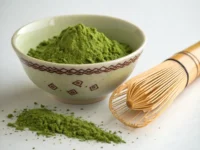
The matcha whisk, called chasen in Japanese, is a traditional instrument made from a single piece of bamboo. At first glance, it may look delicate, with its fine prongs fanning out like tiny threads, but it holds incredible power in transforming matcha powder into a smooth, foamy drink. Unlike metal whisks or electric frothers, the chasen was designed specifically for matcha, ensuring the powder blends evenly with water.
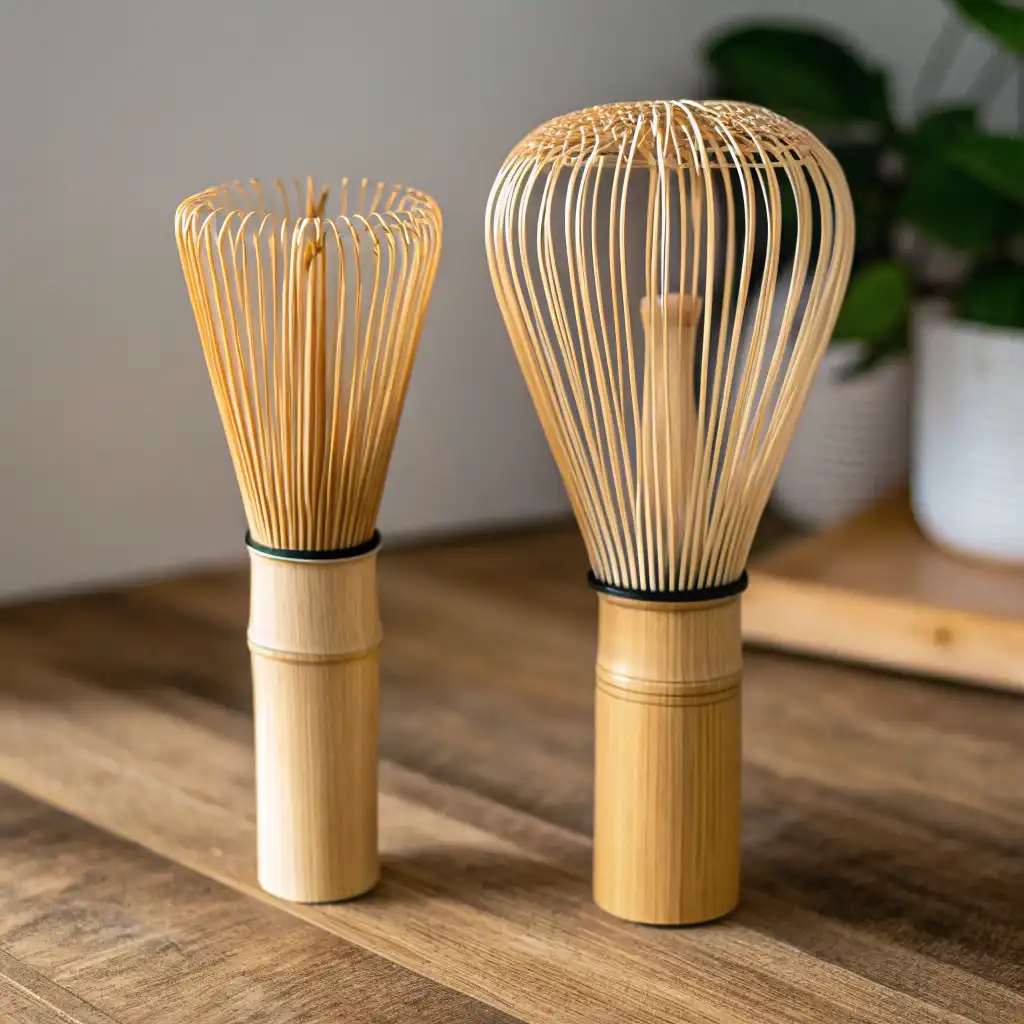
The chasen traces its roots to the town of Takayama in Japan’s Nara Prefecture. For centuries, skilled artisans have been handcrafting these whisks, passing down their techniques from one generation to the next. Each whisk is made with care, from carefully chosen bamboo to the precise shaping of the prongs, making it not just a tool but also a piece of cultural heritage.
What makes the matcha whisk essential is more than just its function. It embodies the harmony, respect, and mindfulness central to the Japanese tea ceremony. Without it, the unique creamy texture of matcha cannot be achieved, and the ritual of preparation loses its authenticity. In this way, the chasen is both practical and symbolic—the heart of a true matcha experience.
Types of Matcha Whisks
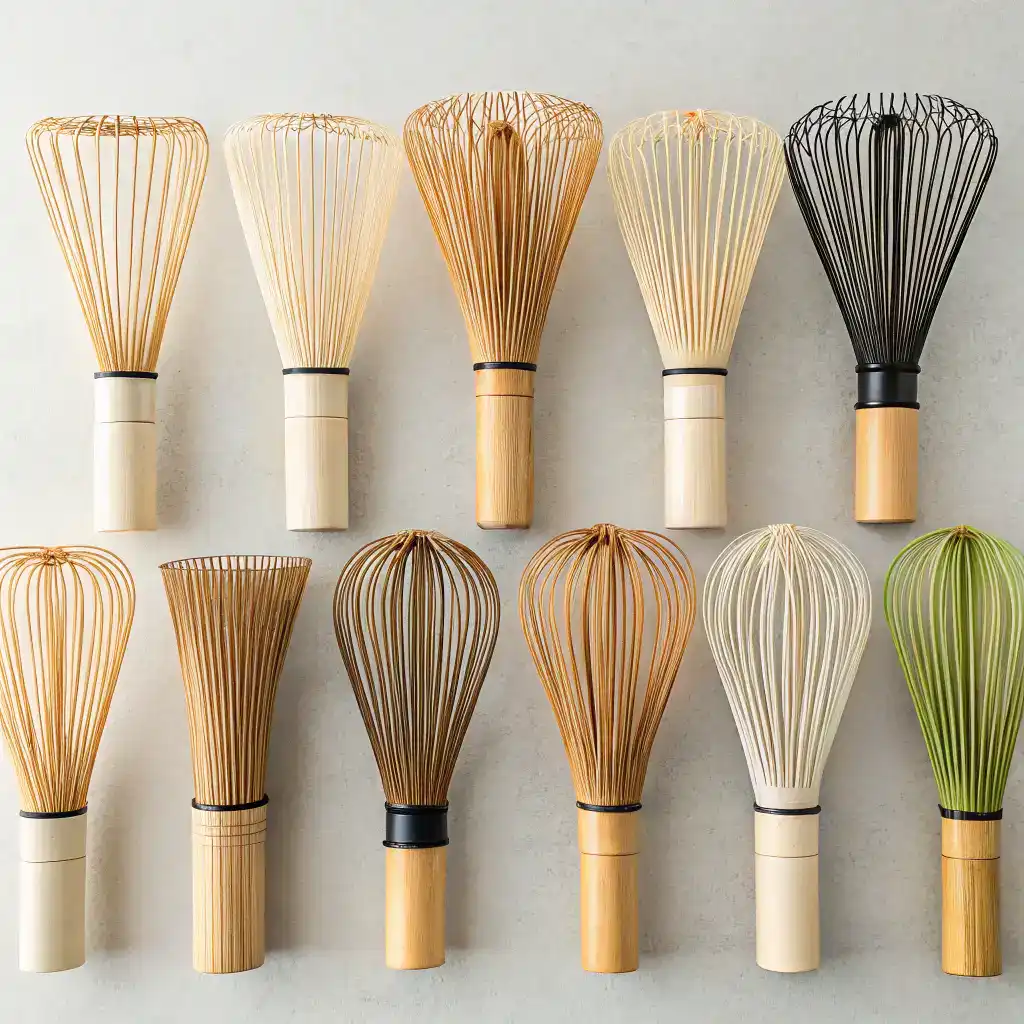
One of the first things to understand about a Matcha Whisk is that not all chasen are the same. They can be classified by the number of tines, or prongs, which directly affects how the tea is whisked. Fewer tines, such as 32 or 48, create thicker, denser matcha suitable for koicha, while 64 to 120 tines produce a lighter, frothier tea perfect for everyday usucha. The shape of the whisk also plays a role: the Standard style has gently curved tines ideal for frothy matcha, the Shin style features a narrower handle and elegantly curved prongs favored by traditional tea schools, and straight-tined whisks, the oldest design, suit wider bowls and honor historical tea practices. Choosing the right tine count and shape is essential for achieving the texture and presentation you desire.
Beyond its design and number of tines, the bamboo variety plays a key role in defining each matcha whisk . Shiratake (white bamboo) and Kurotake (black bamboo) occur naturally and provide flexibility, while the rare Susudake, a dark-brown bamboo obtained from soot-stained bamboo in old Japanese houses, is highly prized for its unique color and durability. These variations make every whisk not just a functional tool but also a work of art, offering a connection to centuries of Japanese tea tradition while enhancing the overall matcha experience.
Handmade vs Mass-Produced Chasen
The most significant difference in matcha whisks lies in how they are made. Handmade chasen from Takayama are crafted entirely by skilled artisans, without machines, using carefully selected bamboo. Each tine is shaped and curved with precision, giving the whisk both flexibility and durability. These whisks often last longer, create better foam, and offer a more authentic experience, connecting the user to centuries of Japanese tea tradition.
On the other hand, mass-produced chasen are made quickly, often outside Japan, with machines and cheaper bamboo. Their tines are usually thicker and less flexible, which can make it harder to achieve the smooth, frothy texture of high-quality matcha. While they are affordable and convenient, they may splinter sooner and lack the delicate touch of a handmade whisk.
For beginners, mass-produced or lower-priced chasen can be a good starting point. They allow you to practice whisking without worrying about damaging an expensive handmade tool. Once you feel comfortable, investing in a Takayama handmade chasen will elevate your matcha experience, producing the creamy, rich texture that makes traditional matcha so special.
How Chasen Are Made
The creation of a matcha whisk begins with selecting high-quality bamboo, often dried for one to two years. Craftsmen cut the bamboo into sections, separating the handle from the future tines. Each piece is carefully chosen to ensure flexibility, strength, and a smooth finish. This attention to detail is what sets handmade Takayama chasen apart from mass-produced ones.
Next, the tines are shaped with incredible precision. Bamboo sections are shaved, split, and curled into delicate prongs, with inner and outer rings secured by woven threads. Every step requires years of experience, as even slight mistakes can affect the whisk’s performance. The final product is a functional work of art, capable of producing perfect frothy matcha while reflecting centuries of Japanese tradition.
How to Choose the Right Matcha Whisk
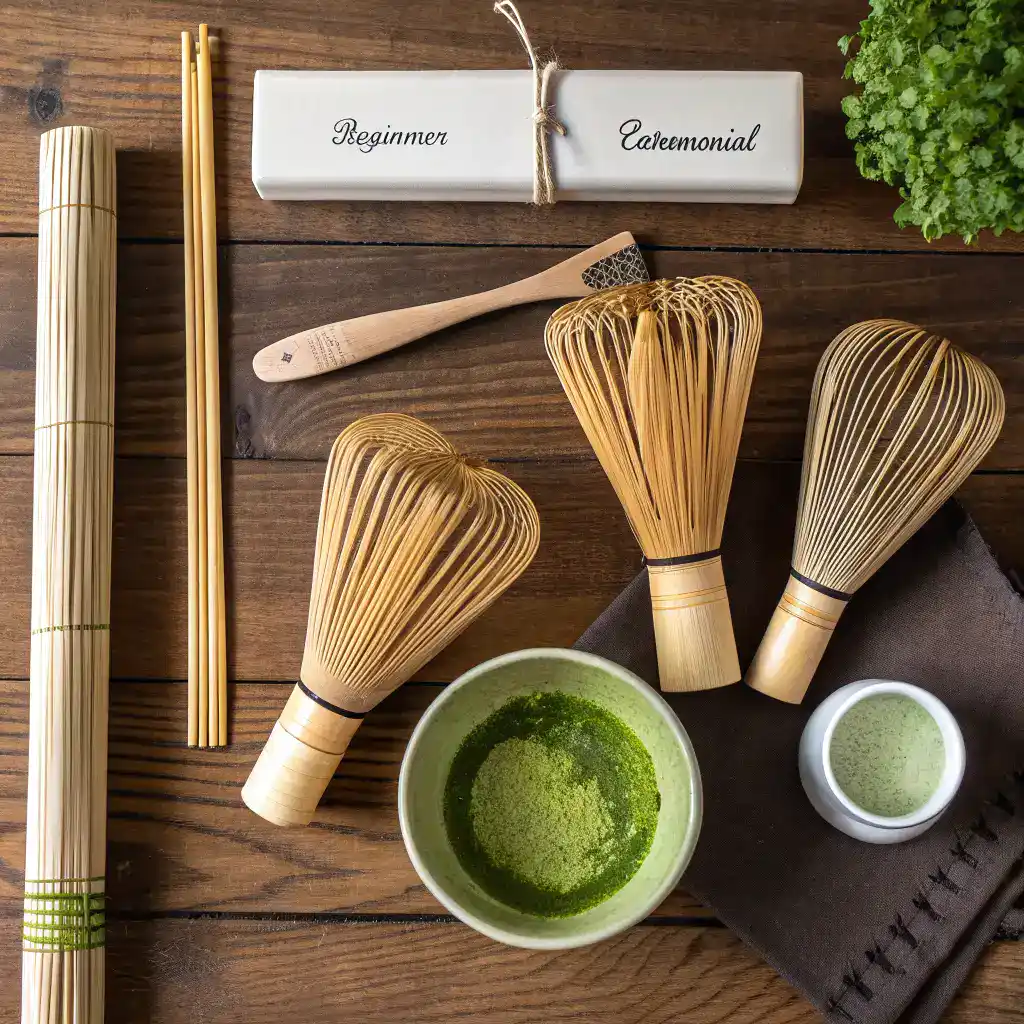
Choosing a matcha whisk comes down to your familiarity with the tool and the kind of tea you enjoy. For beginners, a whisk with 64–80 tines is ideal, offering a good balance between froth and ease of use. These are versatile, making them suitable for everyday usucha while still allowing for smooth mixing without too much effort. Starting with this range helps new users build confidence and develop proper whisking technique.
For those who prefer thicker, more concentrated matcha, whisks with 32–48 tines are better suited. These produce denser foam, perfect for koicha or ceremonial occasions. When choosing a whisk, also consider how often you’ll use it and your budget. A balance between price and quality ensures that you get durability and performance without overspending, whether for daily practice or special tea ceremonies.
How to Care for a Matcha Whisk
Before using your matcha whisk, always soak it in warm water for a few seconds. This process softens the bamboo tines, increasing their flexibility and reducing the risk of breakage during whisking. Once you’ve prepared your matcha, rinse the whisk gently under running water, using your fingers or a soft cloth to remove any leftover tea. Avoid using soap, as it can penetrate the porous bamboo and affect the flavor of future bowls.
Proper drying and storage are essential for longevity. Place the whisk upright with the tines pointing up and let it air dry fully. Avoid leaving it on a kusenaoshi for extended periods, as prolonged pressure can weaken the bamboo and deform the tines. Replace your whisk once the tines become frayed or lose their shape to ensure the best froth and maintain a smooth matcha experience.
Other Essential Tools for the Chasen
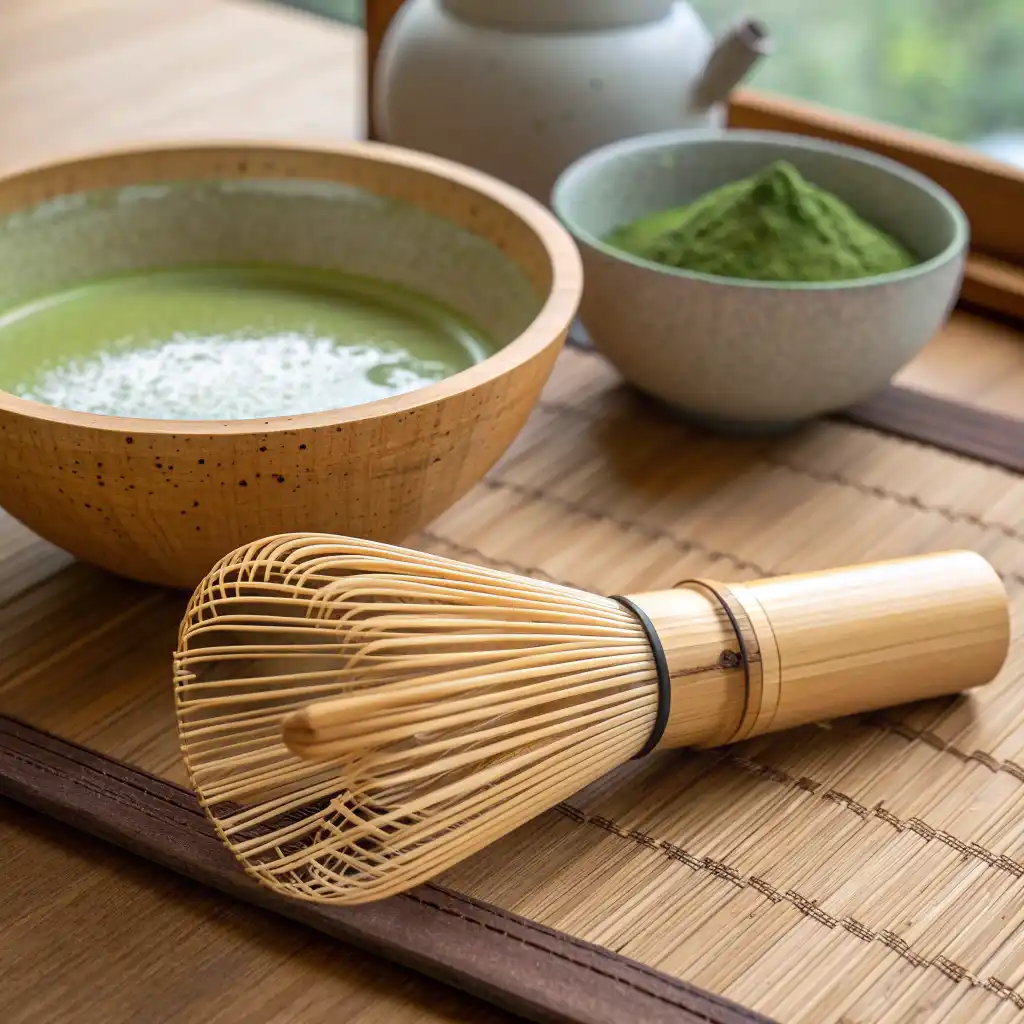
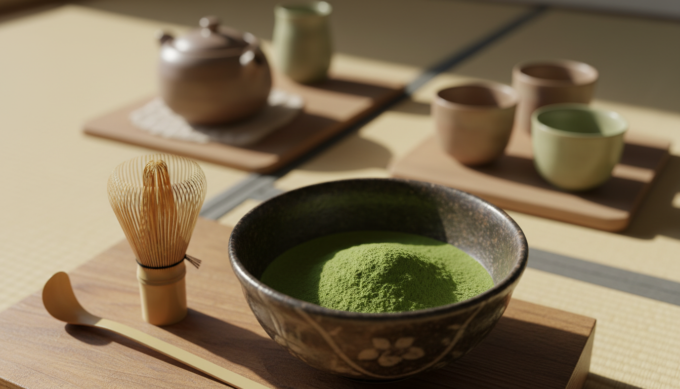
A traditional matcha experience involves more than just the matcha whisk. The chawan, or matcha bowl, is specially designed with a wide opening to allow for proper whisking. Its shape helps the tines move freely through the tea, creating a smooth, frothy texture. Using the right bowl enhances both the taste and the ritual of preparing matcha, making it a central component of the tea-making process.
Other complementary tools include the chashaku, a bamboo scoop used to measure the perfect amount of matcha powder, and the kusenaoshi, a whisk stand that helps maintain the chasen’s shape. While the kusenaoshi should not be used for long-term storage, it is helpful for gently reshaping tines after use. Together, these tools support the chasen in producing the ideal cup of matcha, combining function with tradition.
Where to Buy a Good Matcha Whisk
Finding a high-quality matcha whisk starts with knowing where to look. Renowned Japanese stores like Ippodo, Hibiki-an, and Sazen offer authentic handmade chasen crafted by skilled artisans. For beginners or casual use, international shops such as World Market provide affordable starter sets. Choosing reputable stores ensures that the whisk will be durable, functional, and true to tradition.
When selecting a whisk, pay attention to its tine flexibility and finish. High-quality chasen have thin, evenly spaced prongs that bend easily without breaking. Avoid whisks with rough edges, uneven tines, or glued bamboo, as these can splinter and affect your matcha’s texture. Investing a little more in a trusted brand guarantees better performance and a more authentic tea experience.
Frequently Asked Questions (FAQs):
How to clean a matcha whisk
A: Rinse your matcha whisk (chasen) gently under warm water immediately after use. Remove any leftover matcha with your fingers or a soft cloth. Avoid soap, as it can damage the bamboo and affect future flavor. Let it air dry upright with the tines facing up to maintain shape.
How to whisk matcha
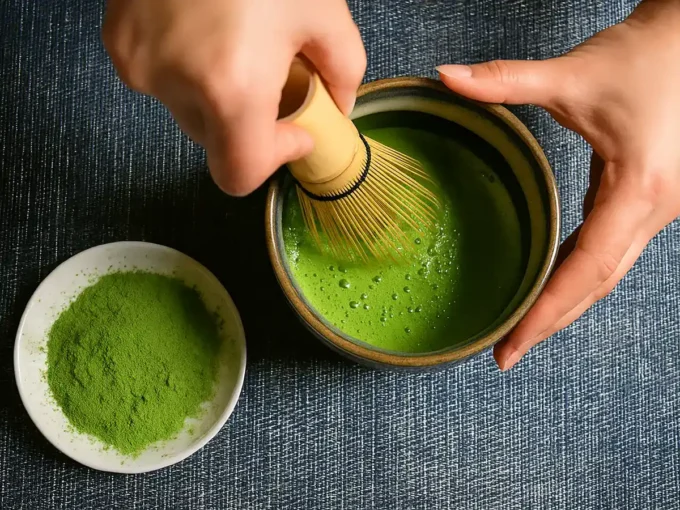
A: Add matcha powder to a bowl, pour in hot water, and use a chasen to whisk in a zigzag motion. Start slowly, then increase speed to create a frothy layer. Whisk until the tea is smooth, with no clumps and a light foam on top.
How to brew matcha without whisk
A: If you don’t have a whisk, you can use a small frother, milk frothing wand, or even a spoon. Whisk vigorously to mix the powder with water and create some froth. A jar with a tight lid can also work shake until well blended.
How to make matcha tea without whisk
A: Place 1–2 teaspoons of matcha powder in a cup, add hot water, and stir briskly with a spoon or fork. While it won’t be as frothy as using a chasen, it will still dissolve well for a smooth cup of tea.
How to make matcha without whisk
A: Use alternative tools like a handheld frother, electric milk frother, or even a shaker bottle. Pour in hot water and shake or froth until the powder is evenly blended. You’ll get a drinkable matcha, though the traditional texture may be slightly different.
Do you really need a whisk for matcha
A: While you can prepare matcha without a whisk, a chasen is essential for traditional frothy texture and even mixing. It ensures the best flavor, creamy consistency, and authentic Japanese experience.
Why is Gen Z obsessed with matcha
A: Matcha is trendy due to its health benefits, antioxidant content, and vibrant green color. It’s also Instagram-friendly, versatile in lattes, desserts, and smoothies, and represents a mindful, aesthetic lifestyle that resonates with Gen Z.
Is a matcha whisk better than a frother
A: A chasen produces the authentic frothy texture and gentle mixing of traditional matcha, while frothers are convenient and faster. For ceremonial or high-quality matcha, a whisk is preferred; for casual drinks, a frother works fine.
How to make matcha with a whisk?
To make matcha with a whisk (chasen), start by sifting 1–2 teaspoons of matcha powder into a chawan (matcha bowl) to remove clumps. Add about 60–100 ml of hot water (around 70–80°C / 160–175°F). Hold the whisk lightly and whisk in a “W” or “M” motion until the tea becomes frothy and smooth. Adjust whisking speed and motion to create the desired foam.
How to use a matcha whisk?
A matcha whisk is used to blend matcha powder and water into a smooth, frothy tea. Before whisking, soak the tines in warm water to soften them. Then, whisk vigorously in a zig-zag motion (not circular) to produce creamy foam. Hold the whisk like a pen and avoid pressing too hard against the bowl to prevent damaging the tines.
How to use chasen (matcha whisk) effectively?
Use the chasen by first softening it in warm water. Place the whisk into the matcha and water, and move it rapidly in a “M” or “W” motion. Focus on creating even froth while avoiding scraping the bowl harshly. After use, rinse gently with water, let it air dry, and store upright to maintain its shape and longevity.
What is the point of a matcha with whisk
The matcha whisk (chasen) evenly blends powder and water, removes clumps, and creates a smooth, frothy tea. It’s a functional tool and a symbol of Japanese tea culture, enhancing both the flavor and the traditional experience.
Conclusion & Invitation to Experience Matcha
Purchasing a high-quality matcha whisk is more than acquiring a tool it’s a way to embrace centuries of Japanese tradition. A well-crafted chasen transforms matcha preparation into an art, creating a smooth, frothy, and flavorful tea. Whether you are a beginner or a seasoned tea lover, using the right whisk elevates the experience and connects you to the cultural richness of the Japanese tea ceremony.
We invite you to try preparing matcha the traditional way, appreciating each step from measuring with a chashaku to whisking with your chasen. For more inspiration and tips, follow us on Pinterest or Facebook, where we share matcha recipes, techniques, and beautiful tea setups. Discover the joy and mindfulness that comes with every bowl of authentic Japanese matcha.










Leave a comment