


A matcha latte is more than just a trendy café drinkit’s a nutrient-rich, antioxidant-packed beverage that blends the bold earthiness of matcha with the creaminess of warm milk.
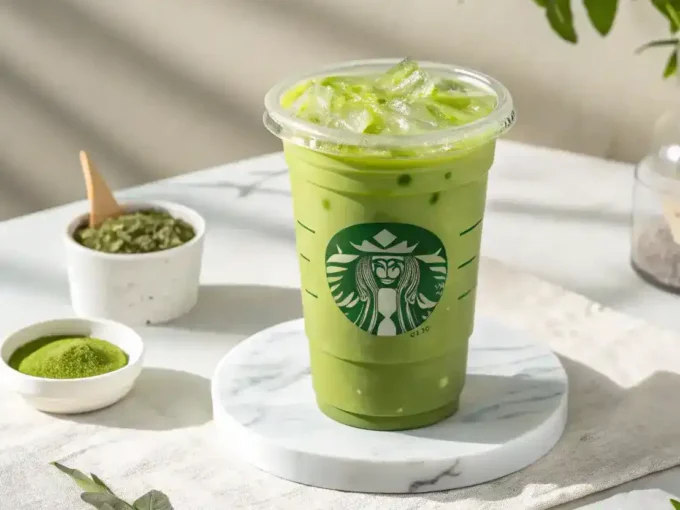
Whether you’re sipping it at home or grabbing a matcha tea from Starbucks , this vibrant green drink offers a smooth energy boost without the jitters of coffee. With variations like matcha almond milk , there’s a version for every taste and dietary need.
Why Will You Like This Matcha Latte Recipe?
This homemade matcha recipe is simple, customizable, and perfect for any time of day. It’s vegan-friendly, gluten-free, and allows you to control the sweetness and ingredients making it healthier than store-bought versions. Plus, you can enjoy its natural caffeine content without the crash!
Servings and Timing
- Prep Time: 2 minutes
- Cook Time: 3 minutes
- Total Time: 5 minutes
- Servings: 1
- Matcha latte calories: ~80–120 kcal per serving (varies by milk choice and sweetener)
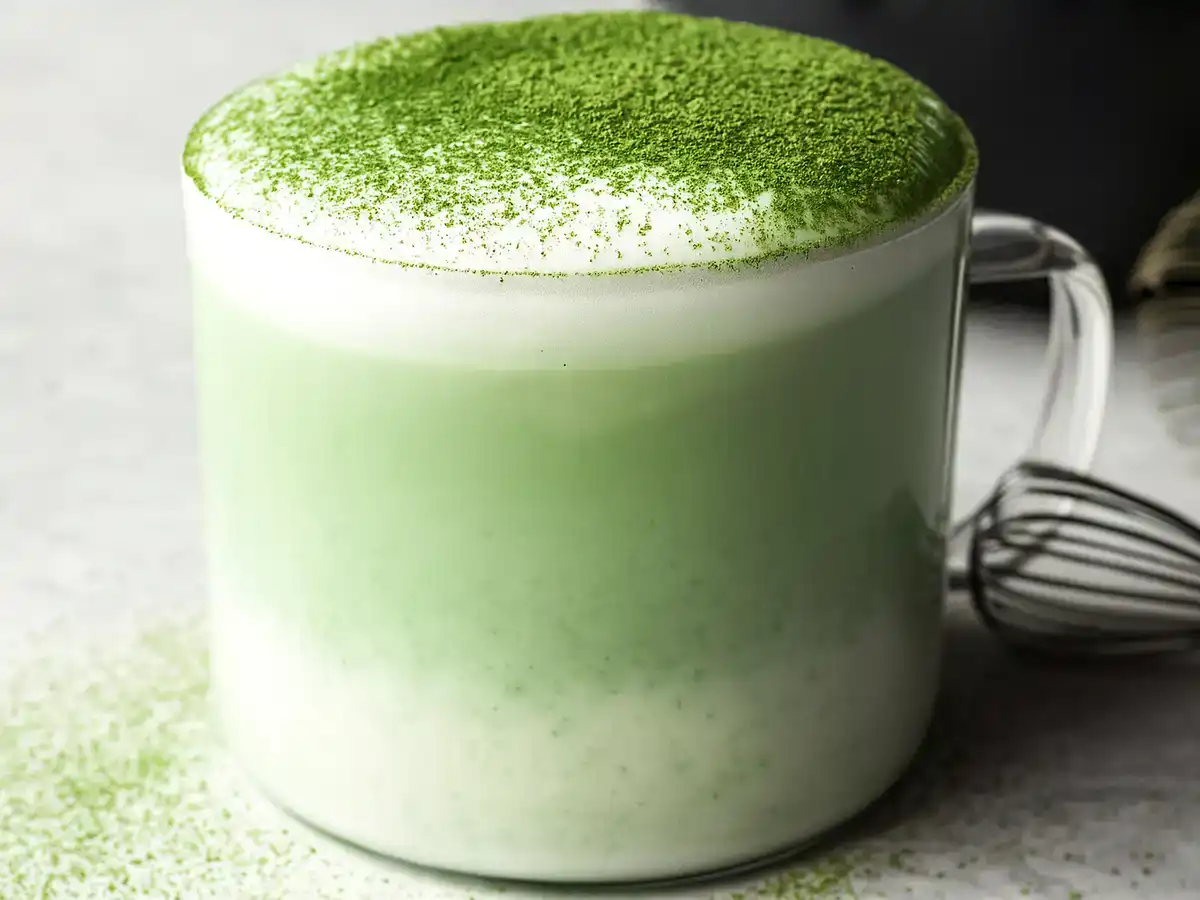
Matcha Latte
Ingredients
Equipment
Method
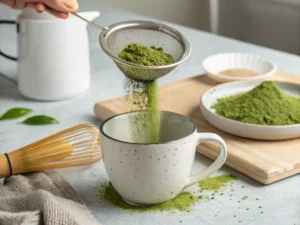
- Sift the matcha powder into a mug to prevent clumps.

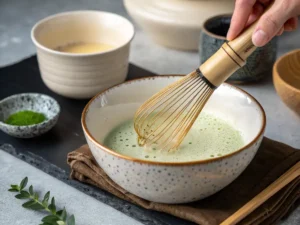
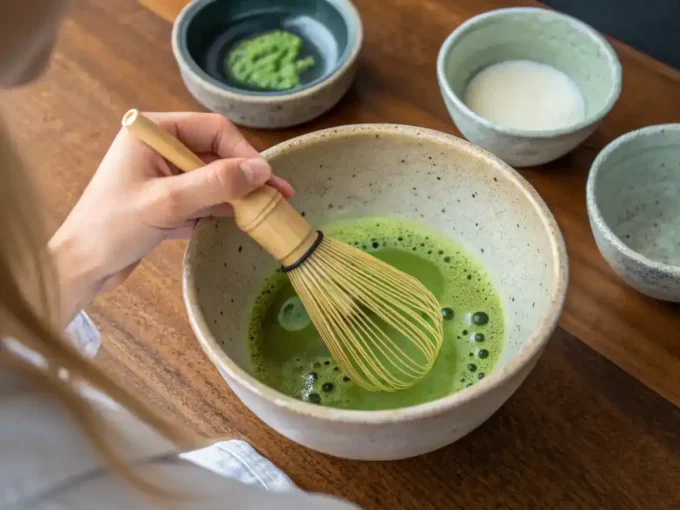
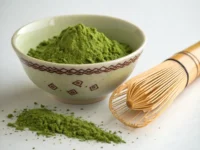
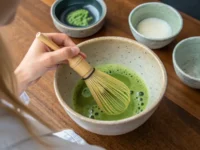
- Add hot water and whisk in a zig-zag motion until frothy using a bamboo whisk or milk frother.

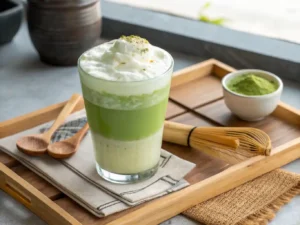
- Pour in the warmed coconut milk and whisk again until combined and slightly frothy.

- Sweeten to taste and enjoy immediately.
Notes
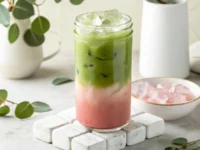
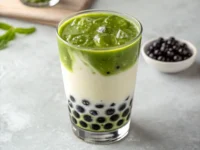
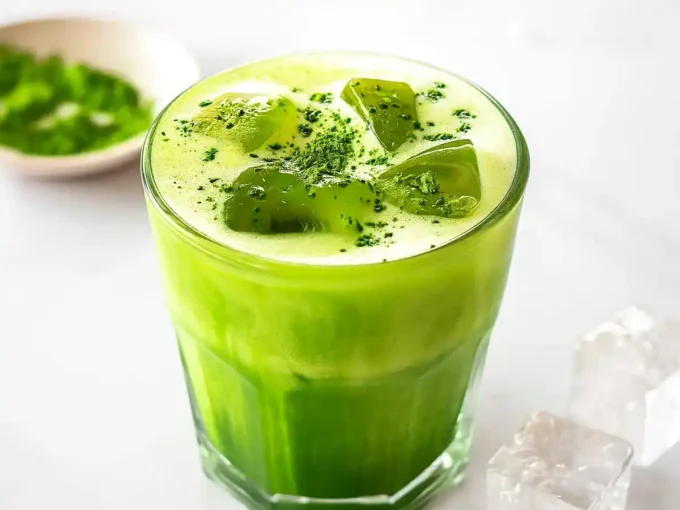
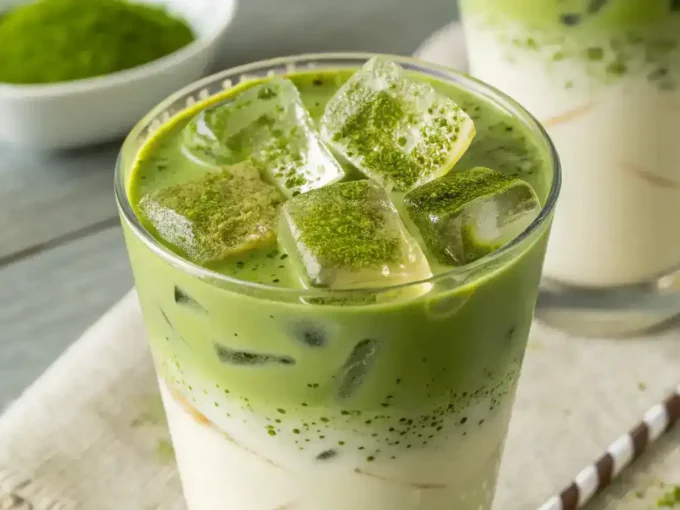
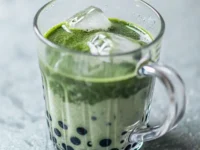
For a refreshing iced matcha latte, simply chill the mixture and serve it over ice. Experiment with almond, oat, or soy milk to add variety. Any leftovers can be stored in the refrigerator for up to 2 days—just shake well before reheating to restore the creamy consistency.
Ingredients
- ½ to 1 teaspoon ceremonial grade matcha powder – Provides antioxidants and a rich flavor. Opt for organic and unsweetened varieties.
- ¼ cup hot water – Helps dissolve the matcha smoothly.
- ¼ cup warmed coconut milk – Adds creaminess; use full-fat for richness or light for fewer matcha latte calories .
- Optional sweeteners: Maple syrup, honey, or stevia – Adjust to taste.
- Alternative milk option: Try matcha latte almond milk for a lighter, nutty twist.
Tip: For a portable option, prepare your matcha latte in a bottle , shake well, and enjoy on the go!
Preparation Method
Step One: Sift and Whisk the Matcha
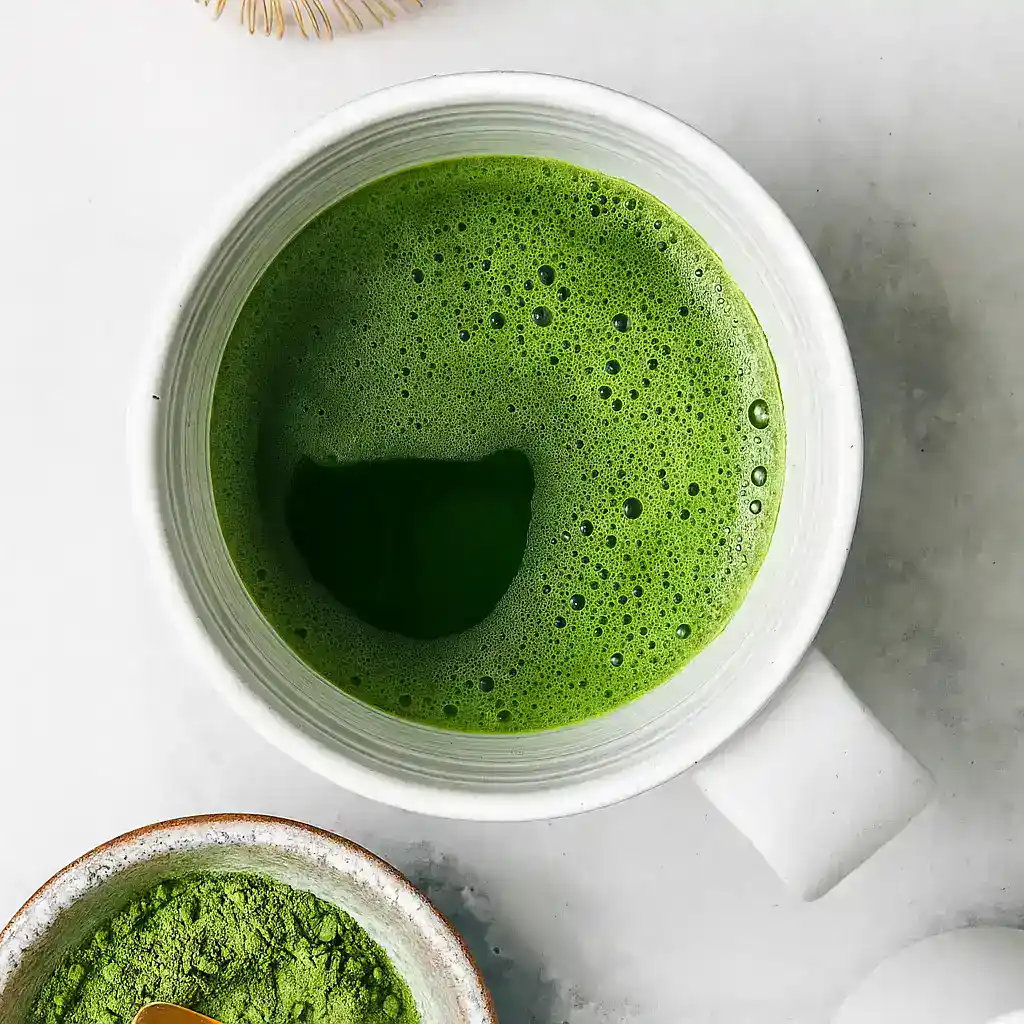
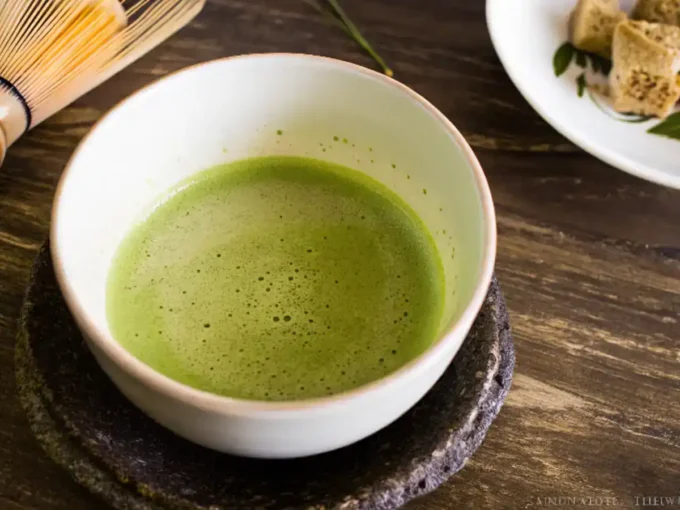
Sift the matcha powder into a mug to avoid clumps. Add hot water and whisk in a zig-zag motion until frothy. This creates a smooth base and enhances the texture of your matcha latte .
Step Two: Add Warm Milk
Pour in the warmed coconut milk (or almond milk ) and whisk again until fully combined and slightly frothy. If desired, add a touch of sweetener.
Pro Tip: Use a traditional bamboo matcha whisk for authenticity, or a small kitchen whisk/milk frother for convenience.
Variations and Customizations
- Make it richer with full-fat coconut milk or oat milk for extra creaminess.
- Boost the flavor with cinnamon, vanilla extract, or a pinch of turmeric.
- For a cold version, chill the latte and serve over ice in a matcha latte bottle .
- Want more protein? Stir in a scoop of plant-based protein powder.
📌 Discover free daily recipes and kitchen inspiration — follow us on Pinterest! Click here
Why Matcha May Support Weight Loss
Matcha contains EGCG (epigallocatechin gallate) , a powerful antioxidant that may support metabolism and fat oxidation. Its natural caffeine and L-theanine provide a calm, focused energy—ideal for those looking to reduce coffee intake and manage appetite.
Top Benefits of Matcha Latte
- Rich in Antioxidants – Matcha has up to 10x more antioxidants than regular green tea.
- Natural Energy Boost – Contains matcha latte caffeine (about 70mg per serving), offering sustained energy without jitters.
- Supports Focus & Relaxation – L-theanine promotes mental clarity and calmness.
- Immune Support – Loaded with vitamins and minerals that support overall wellness.
Storage and Reheating
Store leftover matcha latte in an airtight container in the fridge for up to 2 days. Shake well before reheating. For best results, gently warm it on the stovetop or in a microwave-safe mug, adding a splash of milk to restore the creamy texture.
Tips and Additional Ideas
- Use a matcha latte bottle for easy mixing and portability.
- Experiment with different milks like cashew, soy, or even hemp milk.
- Sprinkle a dash of matcha on top for presentation when serving guests.
Nutrition Facts (Per Serving – Approximate Values)
| Calories | 80–120 kcal |
| Protein | 1–2 g |
| Fat | 4–6 g |
| Saturated Fat | 3–4 g |
| Unsaturated Fat | 1–2 g |
| Trans Fat | 0 g |
| Carbohydrates | 6–10 g |
| Sugar | 4–8 g |
| Fiber | 1–2 g |
| Sodium | 20–40 mg |
| Cholesterol | 0 mg |
Frequently Asked Questions (FAQs)
What is in a matcha latte?
A matcha latte is made from whisked matcha powder, hot water, and steamed milk (such as coconut milk or almond milk ). Some versions include sweeteners or flavorings.
Are matcha lattes healthy?
Yes! They’re rich in antioxidants, contain natural caffeine, and can be made with plant-based milks and minimal sweeteners for a healthy alternative to sugary drinks.
Is matcha latte stronger than coffee?
A matcha latte has less caffeine than a regular coffee but offers a smoother, longer-lasting energy boost due to the presence of L-theanine.
Why do I feel high after matcha?
Matcha contains L-theanine , which promotes relaxation and mental clarity. This unique combination with caffeine leads to a calm yet alert state—no crash involved.
What is a matcha latte made of?
It’s made by mixing matcha powder , hot water, and warm milk. Optional additions include sweeteners, spices, or flavor extracts.
This matcha latte is a delicious, healthy, and versatile drink that fits perfectly into any lifestyle. Whether you’re making it at home or ordering a matcha latte from Starbucks , understanding its benefits and preparation empowers you to make informed choices. So grab your whisk, choose your favorite milk, and treat yourself to a cozy, energizing cup today!
Disclaimer
The nutritional values are approximate, based on online calculators, and may vary with ingredients used, though I’ve aimed for the highest accuracy possible.





Leave a comment