



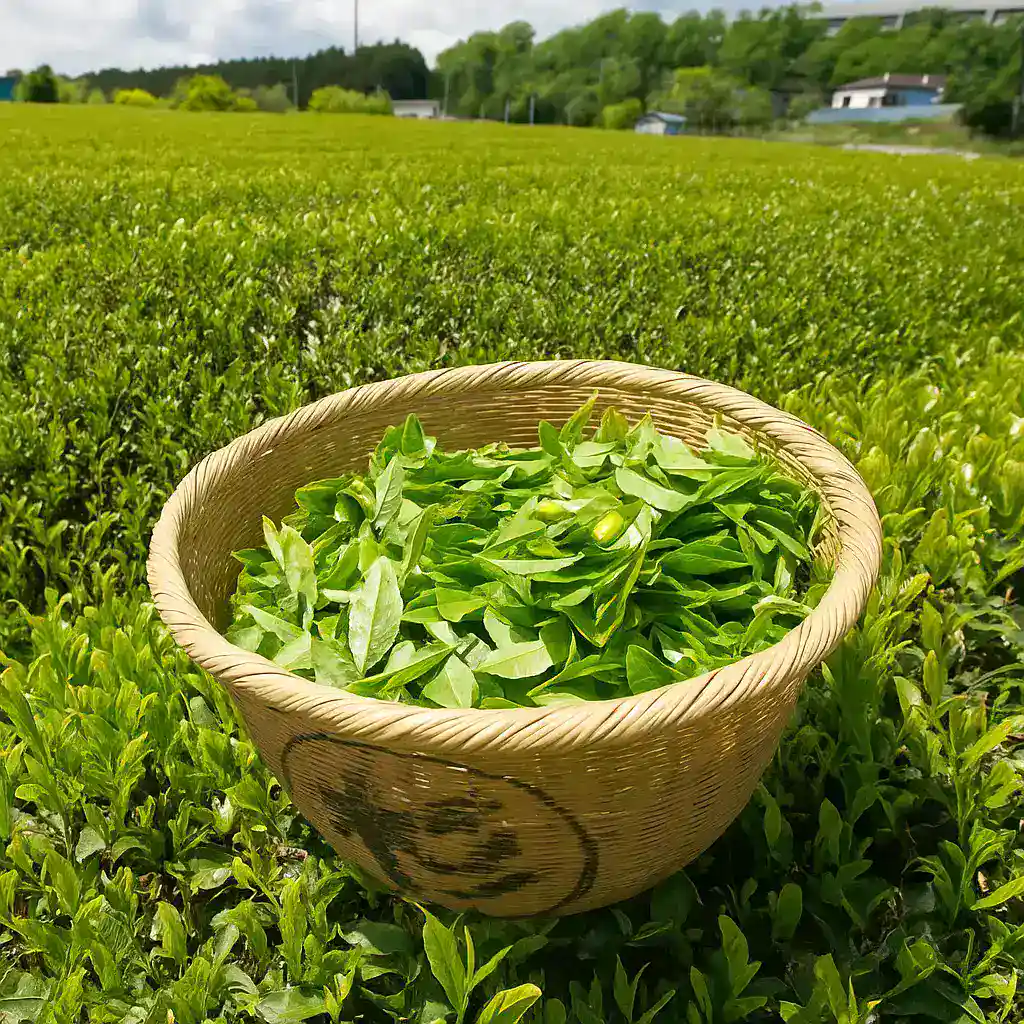
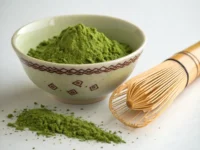
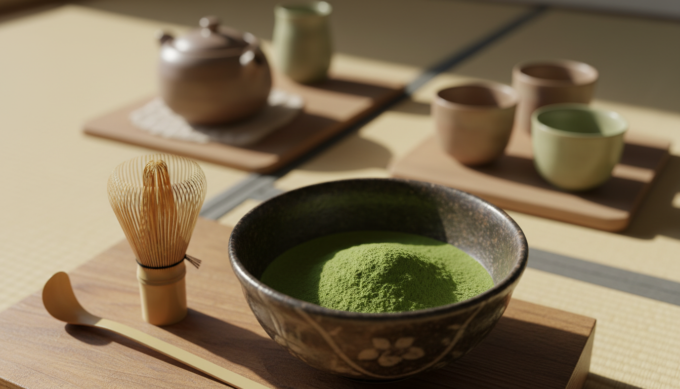
What Is Matcha? Matcha is a vibrant green tea powder made from shade-grown Camellia sinensis leaves, carefully stone-ground into a fine powder. Unlike traditional tea, matcha is whisked directly into hot water and consumed in its entirety, offering a richer flavor and more concentrated nutrients.
Known for its calming properties and unique flavor profile, matcha has become a global superfood, used in everything from lattes to desserts. If you’ve ever asked yourself matcha what is it, you’re not alone its growing popularity has sparked curiosity worldwide.
Whether you’re curious about its origins or looking to enjoy a matcha latte at home, this article will guide you through everything you need to know about matcha powder, its benefits, and how to incorporate it into your lifestyle.
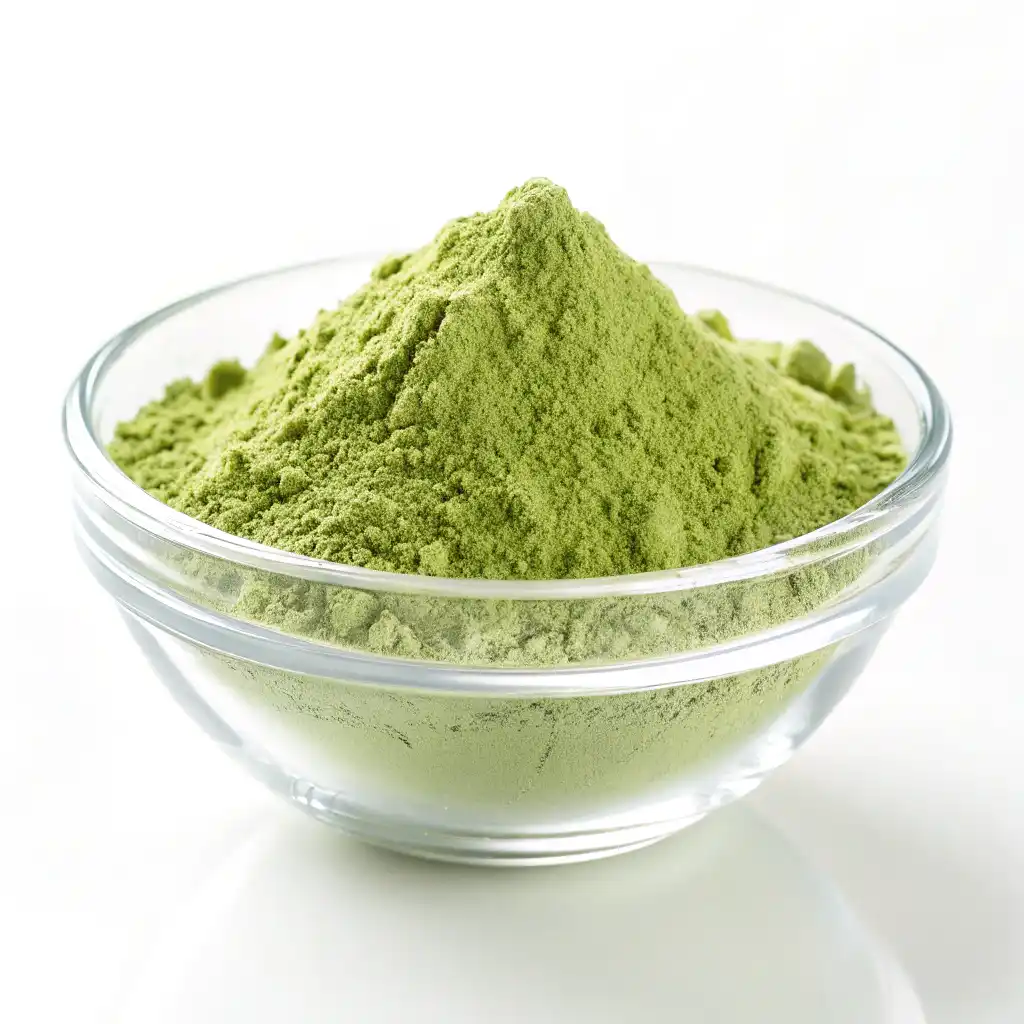
What is matcha?
Matcha is a finely ground powder of specially grown green tea leaves. It’s whisked into water, offering more antioxidants, caffeine, and nutrients than regular green tea.
Why Will You Like Matcha?
This vibrant matcha drink isn’t just delicious it’s a wellness powerhouse. With a rich, earthy flavor and a gentle, sustained caffeine boost, matcha offers the perfect balance of energy and calm. Packed with antioxidants and easy to prepare, it’s a soothing ritual you can enjoy any time of day. Plus, it’s fully customizable to suit your taste whether you prefer it hot, iced, creamy, or lightly sweetened.
How Matcha Is Different
matcha what is it flavor? Matcha stands apart from other teas due to its unique cultivation and preparation process . The tea leaves are shade-grown, steamed, and stone-ground into a fine powder, resulting in a smooth, vibrant green tea that’s rich in nutrients and flavor.
Because you consume the entire leaf, matcha delivers a more concentrated source of antioxidants, caffeine, and L-theanine than traditional green tea. Its taste is often described as earthy, sweet, slightly vegetal, and slightly astringent , with a creamy finish.
Types of Matcha
There are two main types of matcha:
- Ceremonial Grade Matcha – This is the highest quality matcha, made from the youngest tea leaves. It has a delicate, smooth flavor and is best enjoyed on its own with just hot water.
- Culinary Grade Matcha – Slightly more robust and astringent, this type is ideal for cooking, baking, or mixing into beverages like lattes and smoothies.
For daily use or recipes, culinary grade matcha is often preferred due to its stronger flavor and cost-effectiveness—an important distinction to understand when asking what is matcha and how it’s used in different forms.
Caffeine Content in Matcha
What is matcha caffeine content? Matcha contains 25–70 mg of caffeine per 8 oz serving , depending on the grade and preparation method. This is more than green tea but less than coffee. Because matcha is shade-grown and consumed in powdered form, you ingest more caffeine than you would from steeped tea.
Matcha also contains L-theanine , an amino acid that promotes calm alertness, making it a great alternative to coffee for sustained energy without the jitters.
How to Make Matcha in 3 Simple Steps
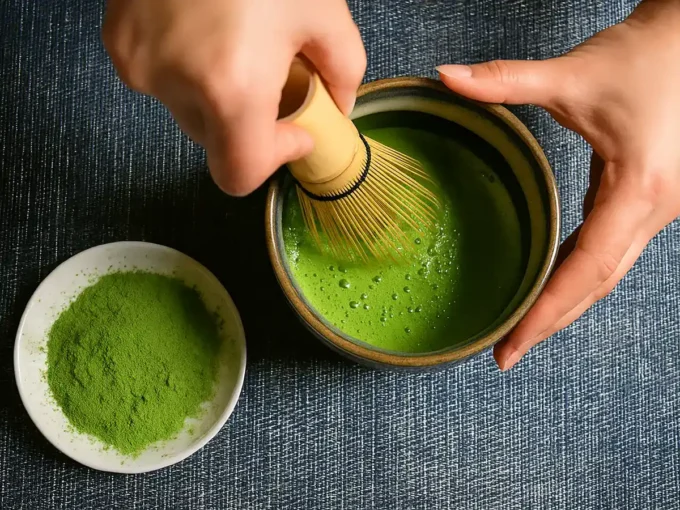
Preparing matcha at home is easy and rewarding — all you need is high-quality powder, hot water, and a whisk. Here’s how to do it right:
- Sift the Matcha
Measure 1 teaspoon of matcha powder and sift it into a small bowl. This helps remove clumps and ensures a smooth, lump-free drink. - Add Hot Water
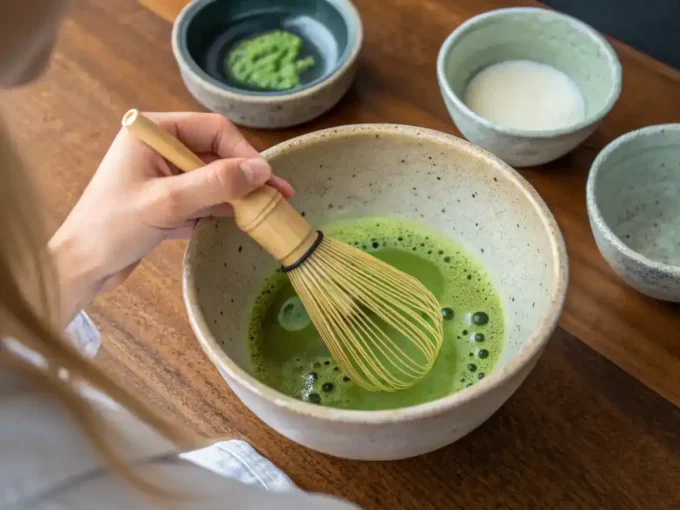
Pour about 2 ounces (60 ml) of hot water over the powder. Make sure the water is just below boiling — around 175°F (80°C) — to preserve flavor and nutrients. - Whisk Until Frothy
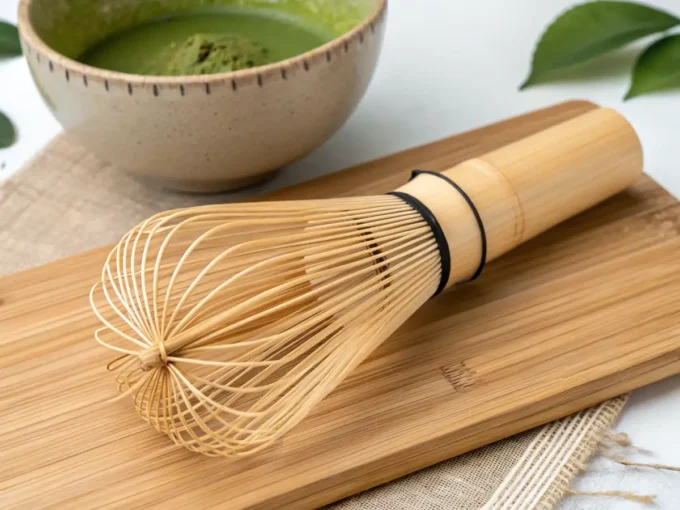
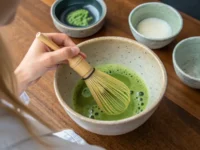
Using a bamboo whisk (chasen), whisk the matcha briskly in a zigzag (M or W-shaped) motion for about 15–20 seconds until a fine layer of froth forms on top.
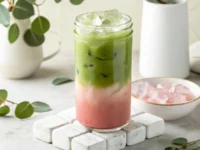
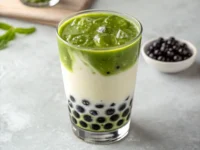
Now your matcha is ready to enjoy! Drink it as is, or add steamed milk and sweetener to make a creamy matcha latte.
Buying and Storing Matcha
What is matcha powder? Matcha is highly perishable due to its powdered form and exposure to oxygen. To ensure freshness:
- Store in an airtight container away from light, heat, and moisture.
- Keep it in the refrigerator or freezer for longer shelf life.
- Buy from reputable sources that provide clear processing and packaging dates.
Fresh matcha should have a bright green color and a sweet, grassy aroma.
Why Matcha May Support Weight Loss
What is matcha good for? Matcha may support weight loss due to its high concentration of EGCG (epigallocatechin gallate) , a powerful antioxidant that boosts metabolism and fat oxidation. Combined with a healthy diet and exercise, regular matcha consumption may help enhance weight management efforts.
Top 5 Health Benefits of Matcha
Wondering why matcha is considered a modern superfood? Here are five powerful health benefits backed by research and centuries of tradition:
- Rich in Antioxidants (especially EGCG)
Matcha is loaded with catechins, particularly EGCG, which help fight free radicals, reduce inflammation, and slow cellular aging. - Boosts Metabolism and Fat Burning
Studies suggest that matcha may enhance thermogenesis — the body’s rate of burning calories — making it a supportive ally for weight management. - Enhances Focus with Calm Energy
The unique combo of caffeine and L-theanine provides sustained mental alertness without the jittery crash of coffee. - Supports Heart Health
Regular consumption may help lower LDL (bad) cholesterol and support healthy blood pressure levels. - May Aid in Detox and Immune Support
Thanks to its high chlorophyll content, matcha may assist in detoxification and provide immune-boosting properties.
Variations and Customizations
Looking to spice up your matcha latte or experiment with new flavors?
- Add vanilla extract , cinnamon, or cardamom for extra flavor.
- Use plant-based milks like almond, oat, or coconut milk for a vegan version.
- For a savory twist, add a pinch of sea salt or mix into smoothies with spinach and banana.
- Want to add protein? Stir in a scoop of vanilla protein powder for a matcha protein latte.
Craving more matcha recipes and daily kitchen inspiration? We’ve got you covered!
👉 For more free daily recipes, follow us on our Facebook page !
Storage and Reheating: What Is Matcha Powder Best Stored As?
To keep your matcha fresh and flavorful:
- Store in an airtight container in a cool, dark place or the refrigerator.
- Avoid direct sunlight and moisture to preserve color and potency.
For leftover matcha latte:
- Refrigerate for up to 24 hours. Stir or whisk before drinking.
- Reheat gently on the stovetop with a splash of milk to restore its creamy texture.
Popular Matcha Recipes
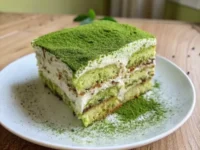
Matcha isn’t just for tea—it’s a versatile ingredient used in many trendy treats. Here are some of the best-loved matcha recipes:
- Matcha Latte – Creamy, energizing, and perfect hot or iced.
- Matcha Ice Cream – A cool, earthy dessert favorite.
- Matcha Smoothie – Blends perfectly with fruits and almond milk.
- Matcha Cookies – Soft, chewy, and packed with flavor.
- Matcha Pancakes – A vibrant twist on breakfast classics.
Whether you’re new to matcha or a long-time fan, these recipes are delicious ways to enjoy its unique taste and benefits.
Tips and Additional Ideas
- Use filtered water when preparing matcha to enhance flavor.
- Whisk with a bamboo chasen for the best frothy texture.
- Add a touch of honey or maple syrup if you prefer a sweeter latte.
- Try matcha ice cream , smoothies, or matcha pancakes for a fun twist.
Matcha vs Green Tea :
| Feature | Matcha | Green Tea |
|---|---|---|
| Preparation | Powder whisked into water | Leaves steeped in water |
| Caffeine | Higher (25–70 mg) | Lower (15–30 mg) |
| Taste | Earthy, umami, rich | Mild, grassy |
| Antioxidants | Very high | Moderate |
Nutrition Facts (Per Serving – Matcha Latte with Almond Milk)
Approximate values based on 1 serving (1 cup)
- Calories : 80 kcal
- Protein : 2 g
- Fat : 3 g
- Saturated Fat: 0.3 g
- Unsaturated Fat: 2.5 g
- Trans Fat: 0 g
- Carbohydrates : 12 g
- Sugar: 10 g
- Fiber: 1 g
- Sodium : 150 mg
- Cholesterol : 0 mg
Frequently Asked Questions (FAQs)
What are the benefits of having matcha?
Matcha is rich in antioxidants, supports metabolism, promotes calm alertness, and may aid in detoxification and heart health.
What does matcha taste like?
matcha what is it flavor? Matcha has a sweet, earthy, slightly vegetal flavor with a hint of umami and a smooth, creamy finish.
Is matcha stronger than caffeine?
Matcha contains less caffeine than coffee but more than regular green tea. Its caffeine is released slowly due to L-theanine, providing steady energy.
Is there a downside to matcha?
Matcha may contain higher levels of lead and pesticides if not sourced from reputable brands. Always choose organic, high-quality matcha.
What is matcha flavor?
Matcha has a fresh, grassy, slightly sweet flavor with a subtle bitterness and creamy texture.
What is matcha latte?
A matcha latte is a popular beverage made by whisking matcha powder with steamed milk (dairy or plant-based), often sweetened for a smooth, energizing drink.
What is matcha in Hindi?
In Hindi, matcha is commonly referred to as मैचा चाय or simply मैचा .
What is matcha good for?
Matcha is good for boosting energy, supporting weight loss, enhancing focus, and promoting overall wellness due to its rich antioxidant and nutrient content.
Closing Thoughts
Now that you know what is matcha , its flavor, benefits, and how to prepare a delicious matcha latte, it’s time to try it for yourself! Whether you’re looking to boost your energy, support your health, or simply enjoy a flavorful beverage, matcha is a versatile and nutritious addition to your daily routine. So go ahead, whisk up a cup, and savor the vibrant goodness of matcha!
Want more matcha recipes and kitchen inspiration?
📌 Follow us on Pinterest! → Matcha Recipes & More
Disclaimer
The nutritional values provided are approximate and based on online calculators. Actual values may vary depending on the specific ingredients used. While every effort has been made to ensure accuracy, these values should be considered estimates. Always consult a registered dietitian or nutritionist for personalized dietary advice.






Leave a comment