


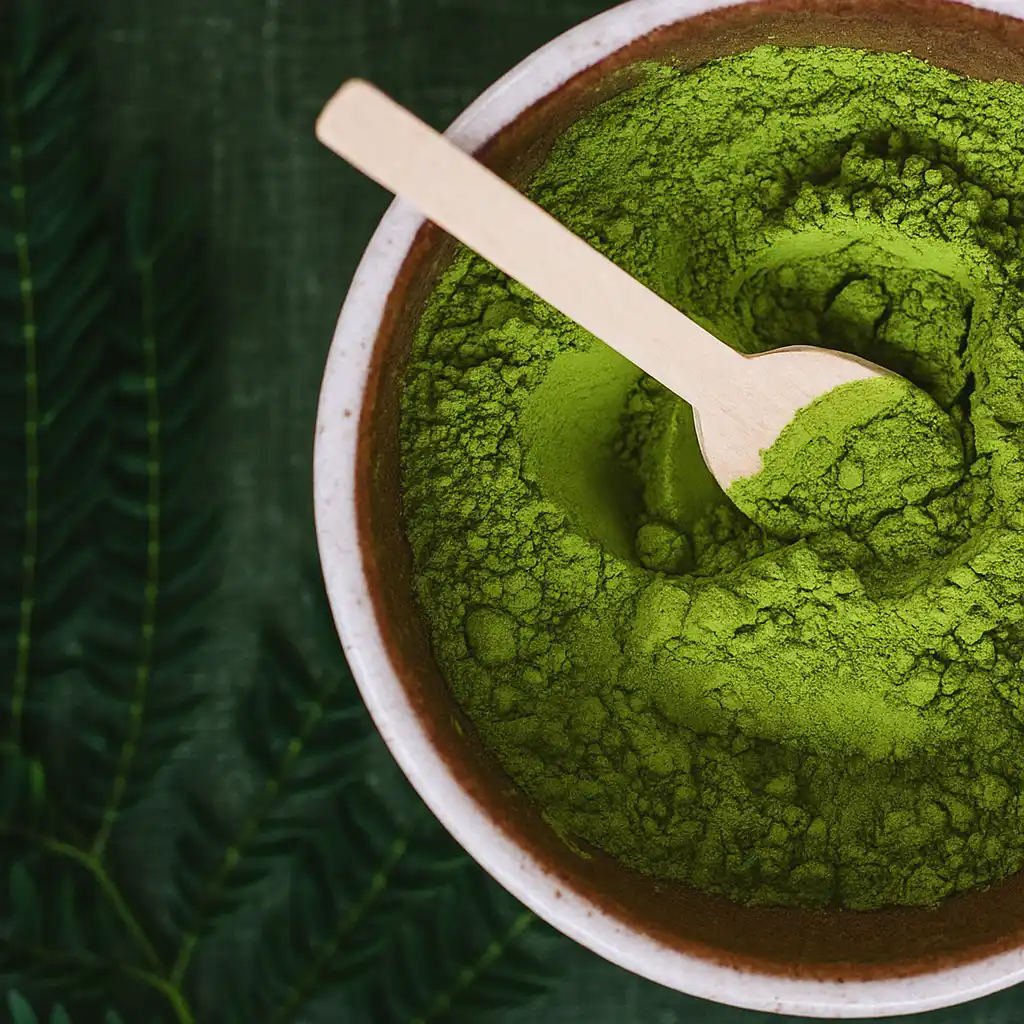
In recent years, matcha tea benefits have captured the attention of health enthusiasts, nutritionists, and wellness experts worldwide. Unlike traditional green tea, where leaves are steeped and discarded, matcha involves consuming the whole powdered tea leaf, delivering a potent concentration of antioxidants, amino acids, and essential nutrients. This ancient Japanese superfood is not only revered for its vibrant color and earthy flavor but also for its profound impact on physical and mental well-being.
As modern science continues to validate centuries-old traditions, the health benefits of matcha green tea are becoming increasingly clear from boosting metabolism to enhancing brain function and supporting radiant skin. Whether you’re sipping a warm bowl of ceremonial matcha or blending a refreshing matcha latte, you’re nourishing your body with one of nature’s most powerful plant-based elixirs.
Let’s explore the science-backed matcha tea benefits, including its advantages for women, morning routines, skin health, and more along with a simple recipe to bring this superfood into your daily life.
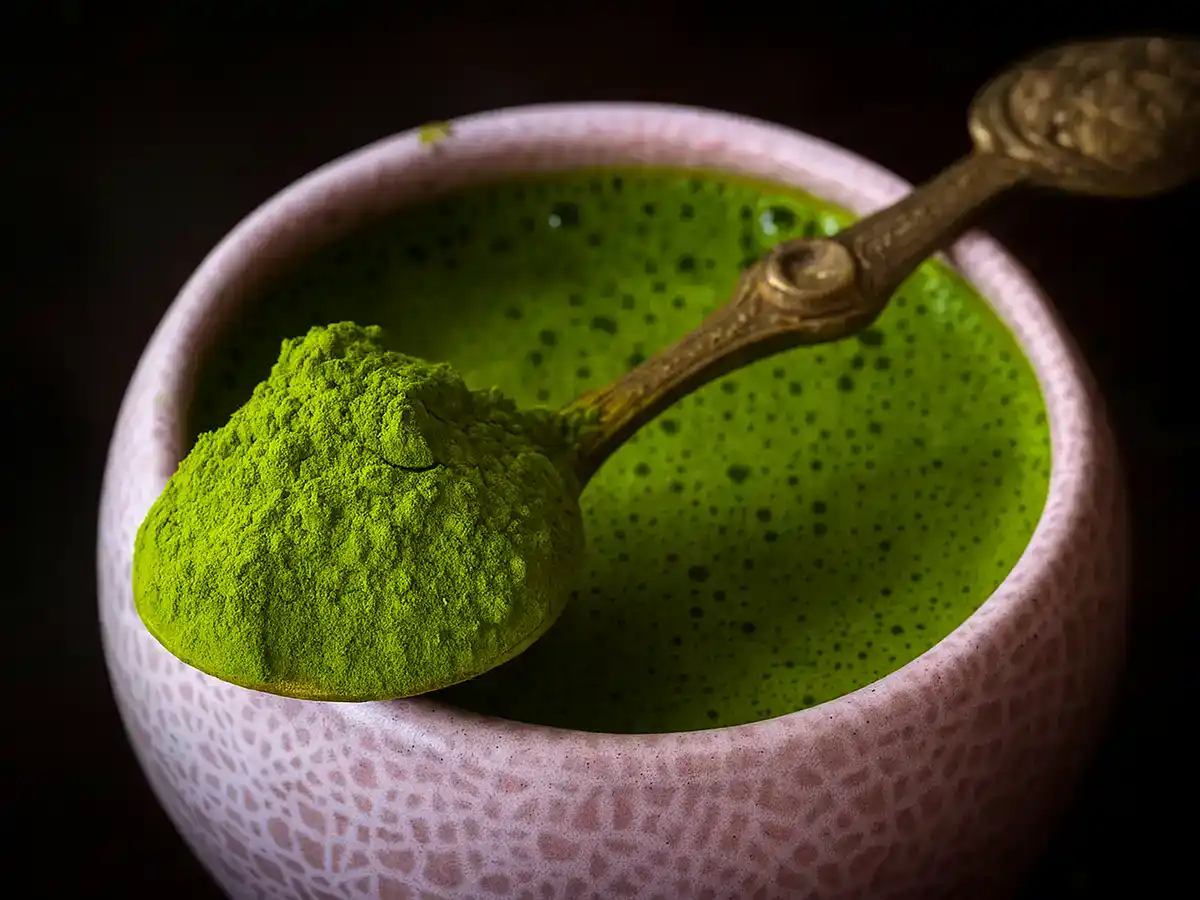
Matcha Latte
Ingredients
Equipment
Method
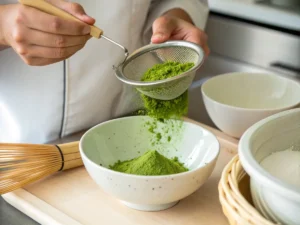
- Sift matcha powder into a bowl to remove clumps.

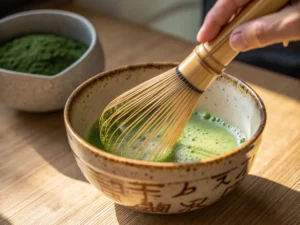
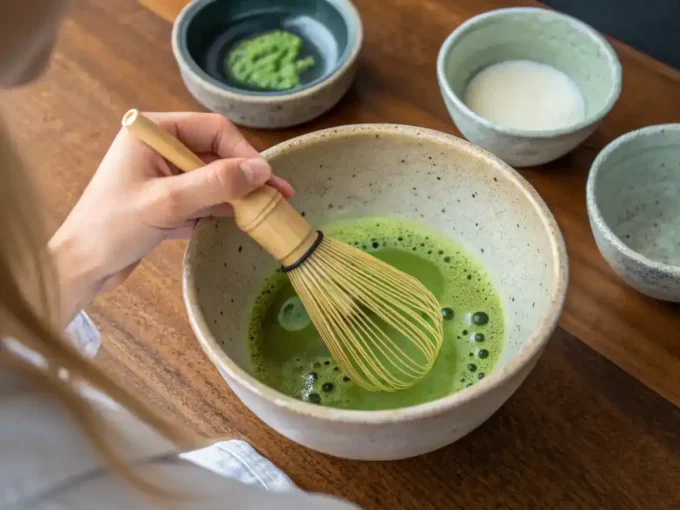
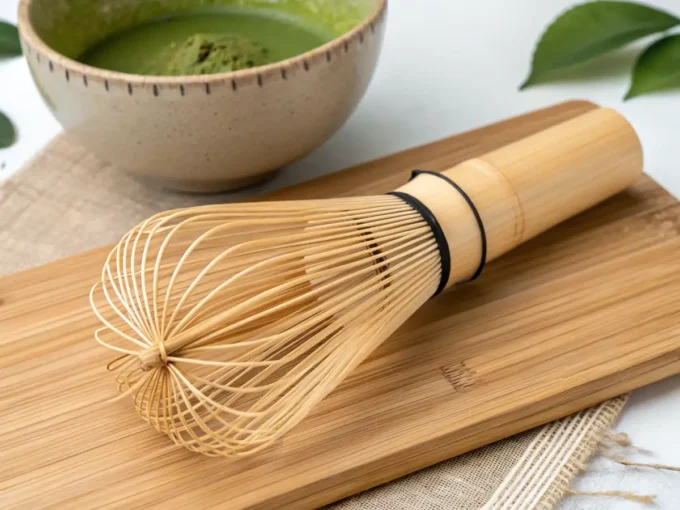
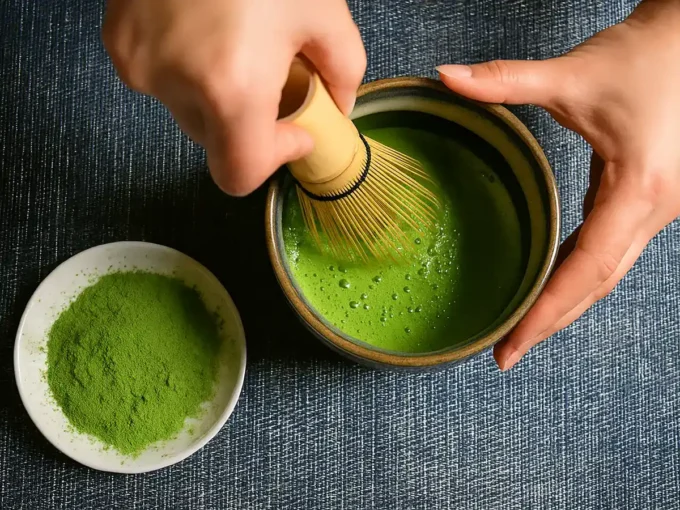
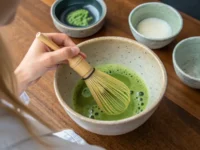
- Add hot water and whisk vigorously in a W motion with a bamboo whisk until frothy. Alternatively, blend for a smooth mix.

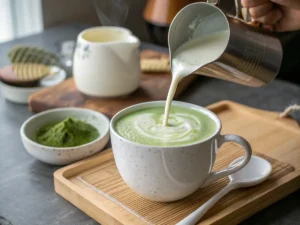
- Pour the matcha mixture into a mug and top with steamed milk.

- Sweeten with honey or maple syrup if desired. Serve immediately.


Notes
Top Matcha Tea Benefits: Why This Superfood Stands Out
1. Matcha Tea Benefits for Skin: Glow from Within
One of the most celebrated matcha tea benefits is its ability to promote clear, youthful, and radiant skin. The high concentration of epigallocatechin gallate (EGCG), a powerful antioxidant, helps neutralize free radicals that contribute to premature aging, sun damage, and inflammation.
- Reduces Acne & Oiliness: Tannins in matcha help regulate sebum production, minimizing breakouts.
- Soothes Inflammation: Its anti-inflammatory properties can calm conditions like rosacea and eczema.
- Protects Against UV Damage: EGCG has been shown to reduce UV-induced skin damage and support collagen production.
- DIY Tip: For a natural glow, mix matcha powder with honey and yogurt for a homemade face mask.
2. Advantages of Morning Matcha: Boost Your Energy Without the Crash
Starting your day with matcha tea offers a balanced, sustained energy boost making it a superior alternative to coffee.
- Caffeine + L-Theanine Synergy: Matcha contains about 70mg of caffeine per serving (similar to espresso), but it’s paired with L-theanine, an amino acid that promotes calm alertness.
- No Jitters, No Crash: This unique combination enhances focus, mental clarity, and mood without anxiety or energy dips.
- Ideal Time to Drink: Morning or early afternoon for optimal cognitive performance and energy.
3. Matcha Benefits for Female: Hormonal Balance and Wellness
Women, in particular, may find matcha benefits for female health to be especially valuable:
- Supports Hormonal Health: Antioxidants in matcha may help regulate estrogen metabolism, reducing the risk of hormone-related imbalances.
- Reduces PMS Symptoms: L-theanine promotes relaxation, helping to ease mood swings and irritability.
- Boosts Iron Absorption: When consumed with vitamin C-rich foods, matcha can enhance iron uptake beneficial for women at risk of anemia.
- Bone Health: Rich in vitamin K and antioxidants, matcha supports bone density and joint health.
Note: Pregnant or breastfeeding women should limit intake to 1–2 cups daily due to caffeine content.
4. Matcha Tea Benefits and Side Effects: What You Need to Know
While matcha tea offers numerous benefits, it’s equally important to be aware of its potential side effects.
Benefits Include:
- Enhanced focus and memory
- Improved metabolism and fat oxidation
- Strong immune support
- Lower LDL cholesterol and blood pressure
- Detoxification via chlorophyll
Potential Side Effects:
- Caffeine Sensitivity: May cause insomnia, jitteriness, or rapid heartbeat in sensitive individuals.
- Lead Contamination Risk: Since matcha leaves are ground whole, they may absorb environmental toxins like lead — especially if sourced from polluted areas.
- Tip: Choose organic, Japanese-grown matcha to minimize risk.
- Liver Stress (Rare): Excessive consumption (more than 4–5 cups daily) may strain the liver due to high catechin concentration.
- Iron Absorption Interference: Tannins can inhibit non-heme iron absorption avoid drinking matcha with meals if you’re iron-deficient.
Recommendation: Limit intake to 1–2 cups per day for optimal benefits with minimal risk.
5. Why Matcha May Support Weight Loss
One of the most researched matcha tea benefits is its role in weight management.
- Thermogenic Effect: EGCG and caffeine work synergistically to boost metabolism by up to 4% and increase fat oxidation during exercise.
- Appetite Control: Matcha increases levels of cholecystokinin (CCK), the hormone that signals fullness, helping reduce cravings.
- Sustainable Energy: Provides clean fuel for workouts without sugar crashes.
A 12-week study found that participants who consumed green tea extract (rich in EGCG) experienced reduced body fat, waist circumference, and BMI.
6. Benefits of Matcha Latte: A Delicious Way to Reap Matcha Tea Benefits
A matcha latte isn’t just trendy it’s a nutritious way to enjoy matcha tea benefits with added creaminess and flavor.
- Dairy or Plant-Based Milk: Adds calcium, vitamin D, and healthy fats that enhance nutrient absorption.
- Balanced Flavor: The slight bitterness of matcha is mellowed by milk, making it more palatable.
- Customizable: Add honey, vanilla, or cinnamon for a cozy treat without refined sugar overload.
Pro Tip: Use ceremonial-grade matcha for lattes to ensure smooth texture and rich flavor.
Simple Matcha Tea Recipe: Easy & Delicious
Bring the matcha tea benefits into your daily routine with this quick and authentic preparation.
Ingredients (1 serving):
- 1 tsp (2g) ceremonial-grade matcha powder
- 2 oz (60ml) hot water, (not boiling — 175°F / 80°C)
- 6 oz (180ml) steamed milk (dairy or plant-based)
- Optional: 1 tsp honey or maple syrup
Instructions:
- Pass the matcha powder through a sifter into a bowl to eliminate any clumps.
- Pour in hot water and whisk briskly using a bamboo chasen in a “W” motion until a frothy layer forms.
- Pour into a mug and top with warm milk.
- Sweeten if desired and enjoy immediately.
No whisk? Use a small blender or shaker bottle for a smooth blend.
Variations and Customizations
Make your matcha experience unique with these easy tweaks:
- Iced Matcha Latte: Use cold water and ice, then top with chilled milk.
- Vanilla Matcha: Add ½ tsp vanilla extract for a sweet aroma.
- Spiced Matcha: Sprinkle in cinnamon, nutmeg, or a pinch of cayenne for warmth.
- Protein Boost: Blend with a scoop of vanilla protein powder for a post-workout drink.
- Superfood Upgrade: Add chia seeds, collagen, or MCT oil for extra nutrition.
🌶️ Spice It Up: Add a dash of red pepper flakes or ginger for a metabolism-boosting kick!
Craving more matcha recipes and daily kitchen inspiration? We’ve got you covered!
👉 For more free daily recipes, follow us on our Facebook page !
Storage and Reheating: Maximizing Matcha Tea Benefits
To preserve freshness and potency:
- Store Matcha Properly: Keep in an airtight container in a cool, dark place (or refrigerator). Light, heat, and air can break down its antioxidants.
- Use Within 1–2 Months: For best flavor and nutrient content.
- Reheating Tips: Avoid reheating prepared matcha heat destroys L-theanine and EGCG. Instead, make a fresh batch.
- If using in smoothies or oatmeal, add matcha after cooking to retain benefits.
Tips and Additional Ideas
- Buy Quality: Always choose ceremonial-grade, organic, Japanese matcha (e.g., Uji or Nishio regions) for purity and flavor.
- Sift First: Prevents clumping and ensures a smooth texture.
- Pair with Vitamin C: Have matcha with lemon water or citrus fruits to improve iron absorption and maximize antioxidant benefits.
- Morning Ritual: Swap your morning coffee for matcha to enjoy a calm and focused start to the day.
Nutrition Facts (Per Serving – Matcha Latte with Almond Milk & Honey)
| Calories | 80 kcal |
| Protein | 3g |
| Fat | 4g |
| Saturated Fat | 0.5g |
| Unsaturated Fat | 3g |
| Trans Fat | 0g |
| Carbohydrates | 10g |
| Sugar | 7g (natural) |
| Fiber | 1g |
| Sodium | 100mg |
| Cholesterol | 0mg |
| Antioxidants (ORAC) | ~1300 units |
Note: The values may differ depending on the type of milk, sweeteners, and the quality of the matcha used.
Frequently Asked Questions (FAQs)
What are the benefits of matcha tea?
Matcha offers antioxidant protection, improved focus, metabolism support, heart health, and radiant skin.
Is matcha good for females?
Yes — it supports hormonal balance, mood, energy, and skin health, especially during PMS or menopause.
Is it good to drink matcha tea every day?
Yes, 1–2 cups daily is safe and beneficial for most people. Avoid excess due to caffeine and liver concerns.
What is the best time to drink matcha tea?
Morning or early afternoon for energy and focus. Avoid late evenings to prevent sleep disruption.
What are the health benefits of drinking matcha green tea?
It boosts brain function, burns fat, lowers cholesterol, strengthens immunity, and protects against chronic diseases.
Are there matcha tea side effects?
Possible side effects include caffeine sensitivity, lead exposure (low-quality sources), and reduced iron absorption.
What are the benefits of a matcha latte?
It combines the matcha tea benefits with the creaminess of milk, offering sustained energy and improved nutrient absorption.
Craving more matcha recipes and daily kitchen inspiration? We’ve got you covered!
👉 For more free daily recipes, follow us on our Facebook page !
Also, get fresh recipe ideas and daily inspiration follow us on Pinterest today!
📌 Follow Us on Pinterest
From enhancing mental clarity to nurturing your skin and supporting weight goals, matcha tea benefits are both profound and accessible. With this simple matcha tea recipe, you can easily incorporate this ancient superfood into your modern lifestyle one energizing, antioxidant-rich sip at a time.
Why not start tomorrow morning? Brew a cup of matcha, feel the calm focus wash over you, and take pride in nourishing your body with one of nature’s most powerful gifts.
Try it today your mind, body, and skin will thank you.
Disclaimer
The nutritional values provided are approximate and based on standard ingredients and online calculators. Actual values may vary depending on brand, preparation method, and substitutions. This article is provided for informational purposes only and does not constitute medical advice. Consult a healthcare provider before making significant dietary changes, especially if you have underlying health conditions or are pregnant. Always choose high-quality, tested matcha to minimize risks of contamination.









Leave a comment