


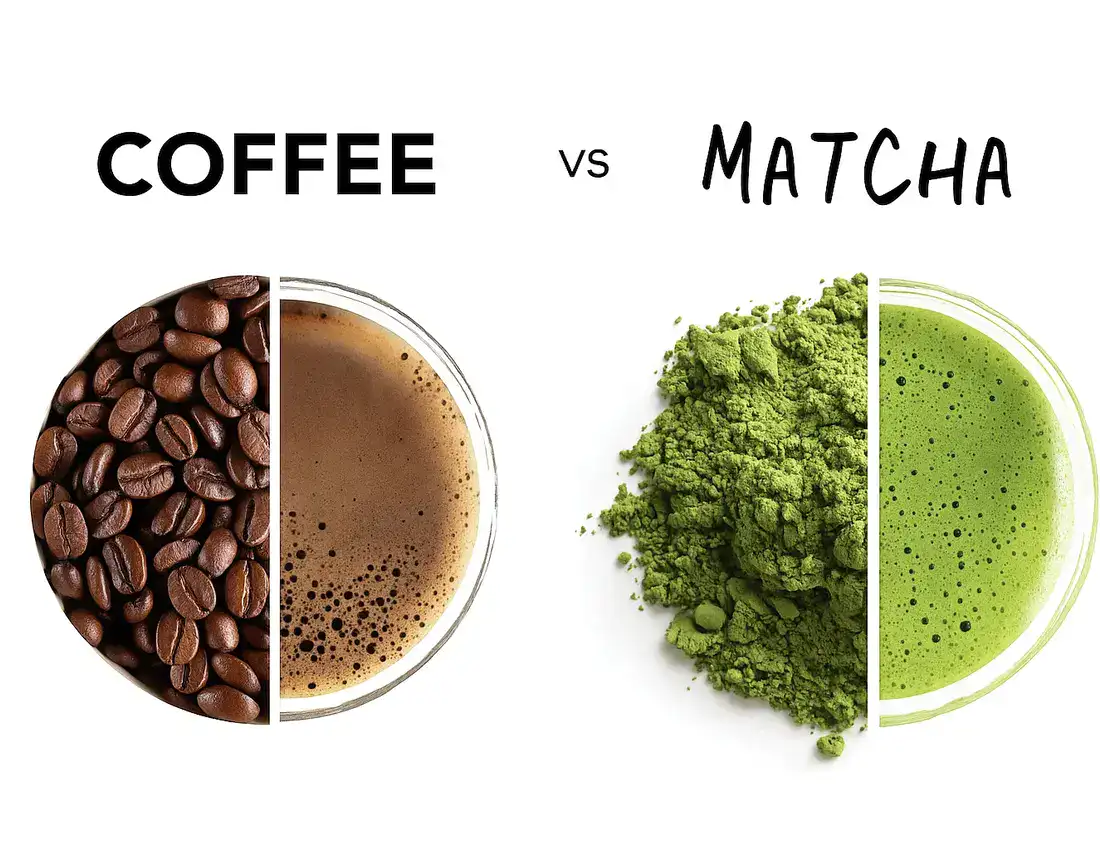
If you’re curious about how much caffeine in matcha , you’re not alone. As one of the most popular health-focused beverages on the market, matcha has gained global recognition for its vibrant color, rich flavor, and energizing properties. Unlike regular green tea, matcha delivers a more concentrated dose of both caffeine and antioxidants because it’s made from the entire tea leaf, ground into a fine powder and consumed whole.
In this article, we’ll explore the caffeine content in matcha, how it compares to other drinks like coffee and black tea, and why it offers a smoother, longer-lasting energy boost thanks to its unique combination with L-theanine.
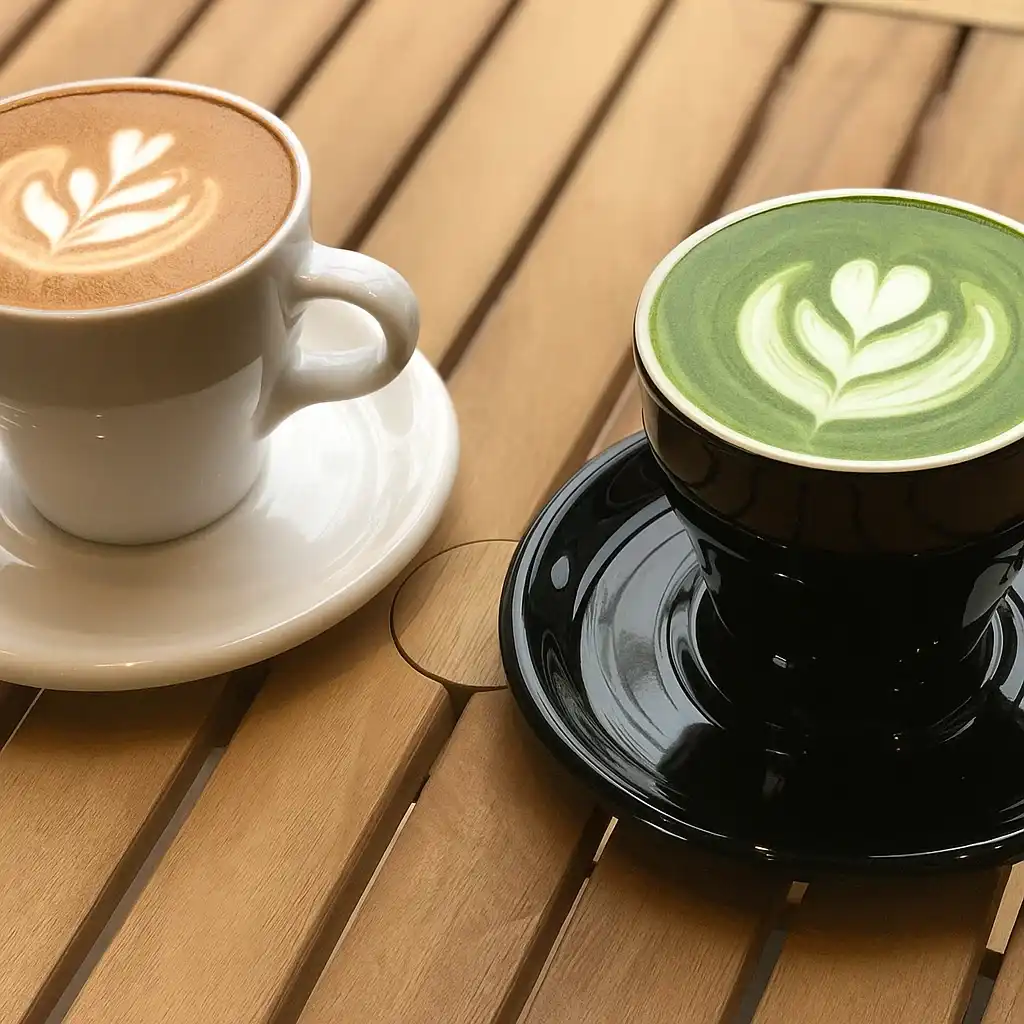
Why Will You Like Matcha?
If you’re curious about matcha and want accurate, science-backed information, you’ll appreciate this guide. It covers everything from how much caffeine in matcha you’re really consuming to its unique health benefits, preparation methods, and the many ways to enjoy it daily without going overboard.
Whether you’re a student needing focus, a busy professional looking for a calm energy boost, or just someone seeking a healthier alternative to coffee, matcha might just be your new favorite.
Is Caffeine Bad for You?
The fact that matcha contains more caffeine than regular green tea doesn’t make it an unhealthy choice. In fact, the type of caffeine found in tea behaves quite differently from what you get in coffee. Thanks to an amino acid called L-theanine abundant in green tea the caffeine in matcha is released more gradually into the bloodstream.
This combination promotes a calm, focused energy instead of the sharp jolt and sudden crash commonly linked to coffee. Plus, because your body processes pure teas much like it does water, you benefit from hydration while enjoying a smoother caffeine experience. Rather than spikes and slumps, matcha provides a steady, balanced alertness that can help you stay energized and focused for hours.
Top Benefits of “How Much Caffeine in Matcha”
- Sustained Energy Boost : Thanks to L-theanine, matcha provides alertness without the jitters.
- Rich in Antioxidants : Helps fight oxidative stress and inflammation.
- Supports Brain Function : Enhances focus, concentration, and memory.
- Promotes Relaxation : L-theanine induces calmness while keeping you awake.
- Low Calorie & Versatile : Can be enjoyed in various ways without adding too many calories.
Caffeine Boost: Should You Choose Coffee or Matcha?
When it comes to your morning pick-me-up, both coffee and matcha deliver a caffeine boost—but in very different ways. While coffee is famous for its quick jolt of energy, it often brings the unwanted side effects of jitteriness and crashes, especially after multiple cups.In contrast, matcha provides a calmer, longer-lasting energy boost that keeps you steady throughout the day.
If you’ve ever wondered how much caffeine in matcha contributes to this steady boost, it’s due to the unique combination of caffeine and L-theanine, which supports focus and alertness while helping to reduce anxiety and stress. It sharpens brain function without the rollercoaster effect of coffee or sugary energy drinks. Whether you’re working a 9-to-5, studying for exams, or just trying to stay focused without feeling wired, matcha could be your new go-to companion.
How Much Caffeine in Matcha?
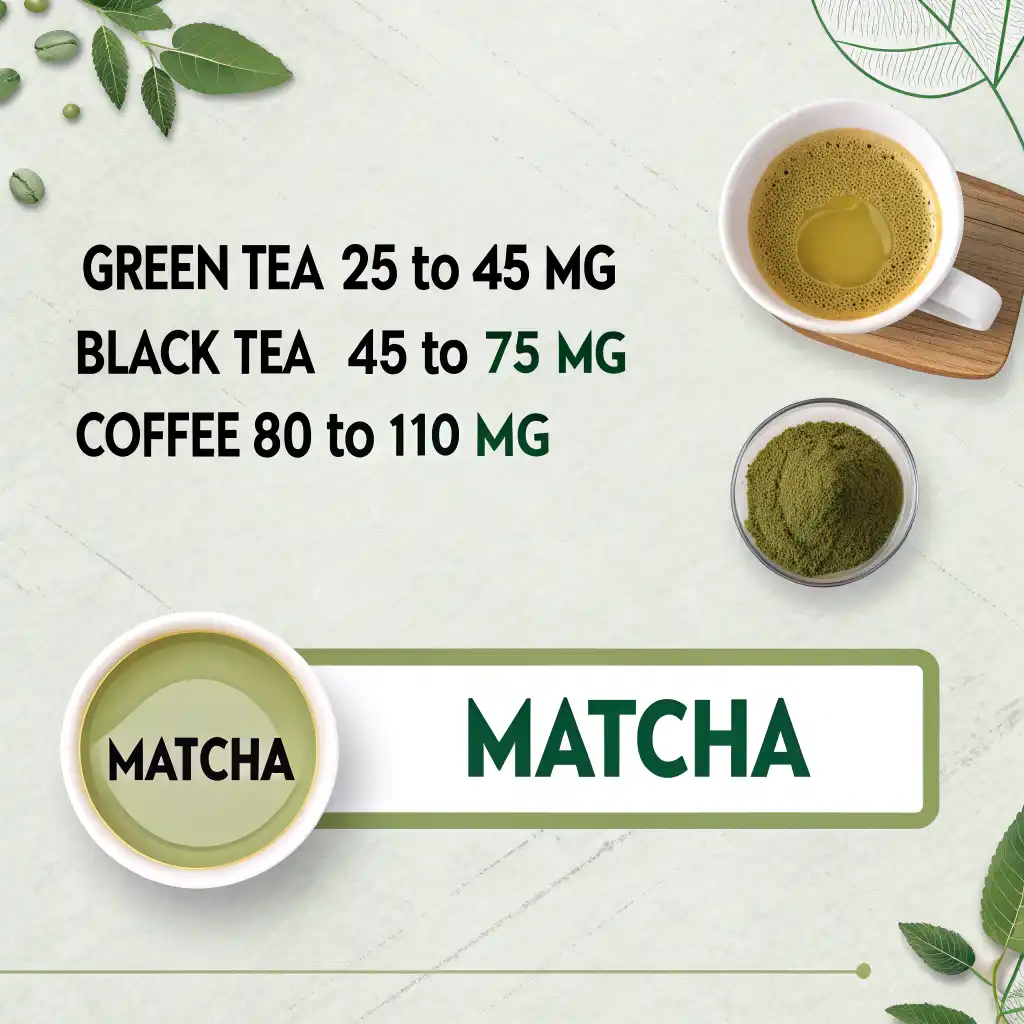
While green tea is known to contain caffeine, the actual amount can vary quite a bit depending on how the tea is grown, processed, and brewed. A standard cup of green tea usually contains around 25 to 45 mg of caffeine per 8-ounce serving less than black tea, which typically ranges from 45 to 75 mg, and much lower than coffee, which can pack anywhere from 80 to 110 mg per cup.
However, matcha is a different story. Because you’re consuming the whole leaf in powdered form, how much caffeine in matcha tends to be higher—about 60 to 70 mg per 8-ounce cup. It’s just enough to give you a clean, focused boost without tipping into the jitters or crash territory that coffee often brings.
📌 Discover free daily recipes and kitchen inspiration — follow us on Pinterest! → Click Here
Variations and Customizations:
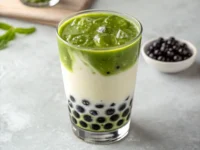
- Matcha Latte : Add steamed milk for a creamy café-style drink.
- Iced Matcha Latte : Mix with cold milk and serve over ice.
- Vanilla Matcha : Add a drop of pure vanilla extract for a sweet twist.
- Spiced Matcha : Sprinkle a pinch of cinnamon or cardamom for added warmth.
- Protein Matcha Smoothie : Blend matcha with plant-based protein powder, banana, and almond milk for a post-workout boost.
Tips and Additional Ideas:
- Use ceremonial-grade matcha for drinking and culinary-grade for baking or cooking.
- Add a dash of freshly grated ginger or mint leaves for an extra refreshing twist.
- Make matcha overnight oats by blending matcha with oats, chia seeds, and almond milk.
- Try matcha pancakes or lattes for a fun way to enjoy its flavor and caffeine content.
Nutrition Facts (Per Serving – Plain Matcha Without Additions):
| Calories | ~5 kcal |
| Protein | 0.5 g |
| Fat | 0 g |
| Carbohydrates | 0.5 g |
| Sugar | 0 g |
| Fiber | 0 g |
| Sodium | 1 mg |
| Potassium | 20 mg |
| Caffeine | 60–70 mg |
Frequently Asked Questions (FAQs):
Is matcha higher in caffeine than coffee?
No, matcha typically contains 60–70 mg of caffeine per 8 oz , while coffee averages 80–110 mg per 8 oz . However, matcha’s caffeine is absorbed more slowly due to L-theanine.
Can matcha give you a buzz?
Yes, but it’s a calm, focused buzz rather than the jittery feeling associated with coffee.
Why is Gen Z obsessed with matcha?
Gen Z appreciates matcha for its health benefits, aesthetic appeal , and Instagram-worthy presentation, especially in trendy cafes and social media posts.
Is matcha better for anxiety than coffee?
Yes, due to L-theanine , matcha promotes relaxation without drowsiness , making it a better option for those prone to anxiety or caffeine sensitivity.
How much caffeine in matcha vs coffee?
Matcha has 60–70 mg , while coffee contains 80–110 mg per 8 oz . Matcha offers a smoother, more sustained energy lift.
How much caffeine in matcha latte?
A standard matcha latte made with 1 tsp of matcha contains 60–70 mg of caffeine , depending on the amount used.
How much caffeine in matcha tea?
An 8 oz cup of plain matcha tea has approximately 60–70 mg of caffeine .
How much caffeine in matcha Starbucks?
A Grande (16 oz) Starbucks Matcha Green Tea Latte contains 80 mg of caffeine , which comes from two scoops of matcha mix.
Understanding how much caffeine in matcha helps you make informed choices about your daily energy needs. With its smooth, jitter-free energy, antioxidant-rich profile, and versatility in recipes, matcha is a fantastic addition to any healthy lifestyle. So go ahead, brew a cup, savor the moment, and enjoy the gentle power of nature’s energizer!
Disclaimer:
The nutritional values provided are approximate and calculated using online calculators. These values may vary depending on the specific ingredients and brands used. While every effort has been made to ensure accuracy, individual results may differ.







Leave a comment