


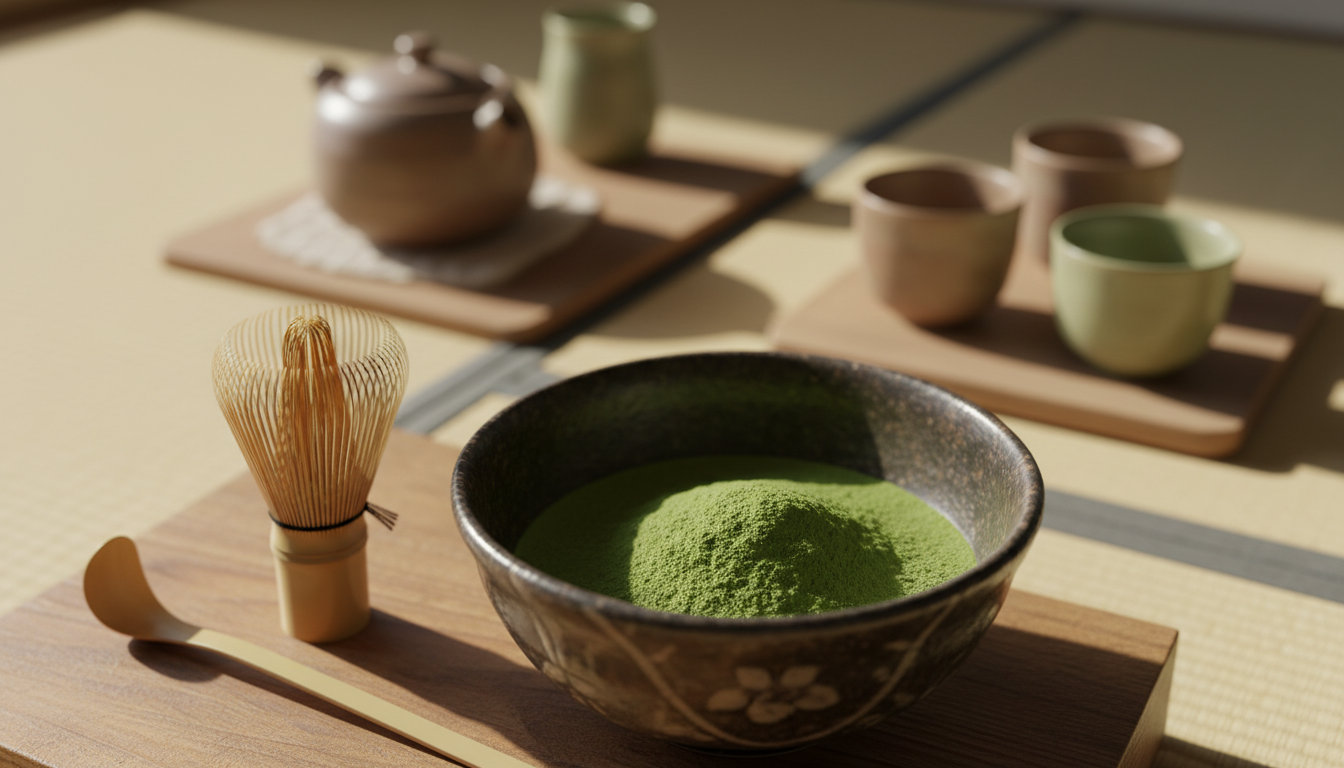
Welcome to the definitive resource for enthusiasts of this vibrant superfood. We explore why this finely ground leaf extract has become a staple in modern wellness routines across the United States.
Our platform serves as a central hub for six core categories dedicated to your journey. Whether you are searching for an authentic matcha powder or tips to elevate your daily ritual, we provide the expert insights you need.
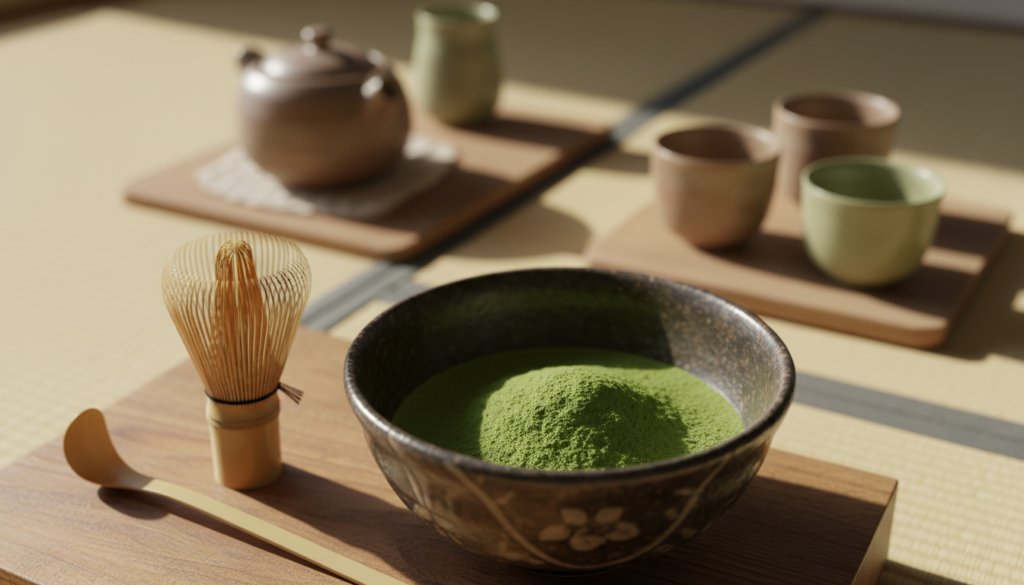
This guide is crafted for those who prioritize quality and health. We focus on high-intent information to ensure you discover the best matcha green tea powder for your specific lifestyle needs.
This commitment to craftsmanship is what makes stone-ground matcha a premium product. By honoring these ancient techniques, producers ensure that every serving maintains the integrity of the original leaf. This dedication to quality is exactly why enthusiasts continue to value traditional methods in an increasingly fast-paced world.
Understanding the Different Grades of Matcha Powder
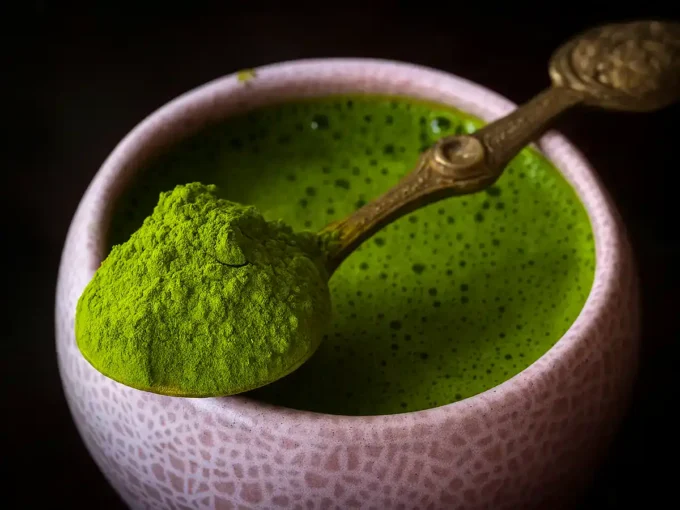
Choosing the right matcha powder starts with understanding the distinct differences between ceremonial and culinary varieties. Distinguishing between these grades is the most critical skill for any consumer looking to purchase the right product for their specific needs. High quality matcha is easily identified by its vibrant, electric green color and a fine, silky texture that feels like soft powder between your fingers.
Ceremonial Grade: Purity and Flavor Profile
Ceremonial grade matcha is the gold standard for those who enjoy their tea in its purest form. This grade is specifically intended for whisking with hot water to create a traditional, frothy beverage. Because it is made from the youngest tea leaves, it offers a naturally sweet, delicate flavor profile without any bitterness.
When you select this grade, you are choosing a product designed for mindfulness and ritual. It lacks the astringency found in lower-grade options, making it perfect for those who appreciate the subtle nuances of premium green tea.
Culinary Grade: Versatility for Baking and Smoothies
If you are looking to experiment in the kitchen, culinary grade matcha is your best companion. This variety is harvested from slightly more mature leaves, which gives it a more robust and earthy flavor profile. This intensity allows the tea’s character to shine through even when mixed with milk, sweeteners, or flour.
It is the ideal choice for smoothies, lattes, and baked goods where you need a stronger tea presence. While it may have a slightly less vibrant hue than ceremonial options, it remains a fantastic, cost-effective way to enjoy the benefits of green tea in your daily diet.
| Feature | Ceremonial Grade | Culinary Grade |
| Primary Use | Whisking with water | Baking and smoothies |
| Flavor Profile | Sweet and delicate | Robust and earthy |
| Color | Vibrant emerald green | Muted olive green |
| Texture | Very fine and silky | Slightly coarser |
The Science Behind the Health Benefits of Matcha Powder
Exploring the science behind matcha powder reveals why this vibrant green tea is a true powerhouse for your daily wellness routine. Unlike traditional steeped teas, consuming the entire ground leaf allows you to ingest a much higher concentration of nutrients. This unique preparation method is the primary reason for its growing popularity among health-conscious individuals.
High Concentrations of Antioxidants and EGCG
One of the most significant organic matcha benefits is its incredible density of antioxidants. These compounds help protect your body from oxidative stress and support overall cellular health. Among these, epigallocatechin gallate, commonly known as EGCG, stands out as a potent catechin found in high-quality tea leaves.
Because you consume the whole leaf, you receive a much larger dose of these protective agents compared to standard green tea bags. This makes it an exceptionally antioxidant rich tea that fits perfectly into a balanced diet. Regular consumption can contribute to long-term matcha health benefits by neutralizing free radicals throughout the body.
Natural Energy Boosts and L-Theanine Synergy
Many people seek a matcha energy boost to help them power through their busy afternoons without the crash associated with coffee. The secret lies in the unique chemical synergy between caffeine and an amino acid called L-theanine. While caffeine provides the necessary alertness, L-theanine promotes a state of relaxed focus.
This combination prevents the jittery feelings often caused by high-caffeine beverages. Instead, you experience a smooth, sustained level of energy that keeps you productive and calm. The following table highlights how this natural profile compares to other common sources of energy.
| Feature | Matcha Powder | Black Coffee | Standard Green Tea |
| Energy Style | Calm, Sustained | Sharp, Jittery | Mild, Short-lived |
| Antioxidant Level | Very High | Low | Moderate |
| Amino Acid Content | High (L-Theanine) | Negligible | Low |
| Preparation | Whole Leaf Powder | Brewed Beans | Steeped Leaves |
Essential Tools for Preparing the Perfect Cup
Achieving a perfect, frothy cup of tea is easier when you use the right accessories. While high-quality matcha powder is the foundation, your equipment plays a vital role in the final texture and taste. Using the correct matcha preparation tools ensures that you can properly aerate the tea for a smooth, professional finish.
Choosing the Right Bamboo Whisk and Bowl
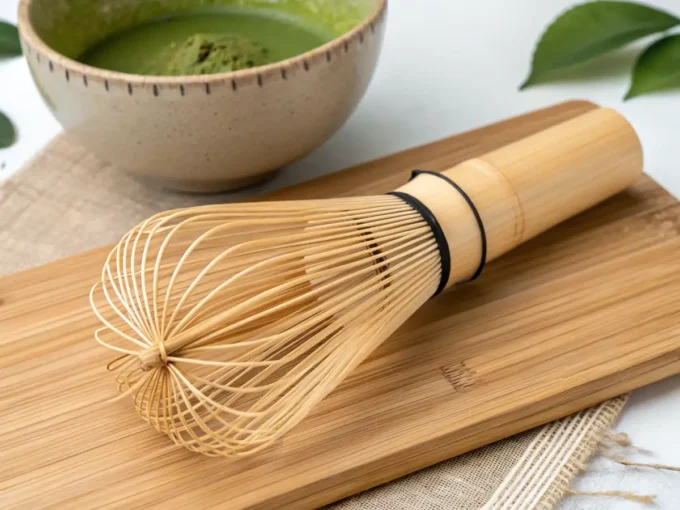
The traditional bamboo whisk, known as a chasen, is indispensable for anyone learning how to whisk matcha effectively. Its delicate tines are specifically designed to suspend the fine particles of powder in water without scratching your bowl. A standard metal whisk simply cannot replicate the gentle, efficient motion required to create a rich, creamy foam.
Pairing your whisk with a proper bowl, or chawan, is equally important. A bowl with a wide base provides enough surface area for the whisk to move freely. This space allows you to incorporate air into the mixture, which is the secret to achieving that signature frothy layer.
Temperature Control for Optimal Flavor Extraction
Many beginners make the mistake of using boiling water, which can scorch the delicate leaves and result in a bitter taste. To preserve the vibrant flavor profile of your matcha powder, always aim for a water temperature between 175°F and 180°F. This range is gentle enough to extract the sweetness while avoiding the harshness associated with excessive heat.
If you do not have a temperature-controlled kettle, simply let your boiling water sit for about two minutes before pouring. Mastering how to whisk matcha at the right temperature will transform your daily experience. Consistent heat management is a hallmark of true matcha preparation tools and technique.
| Tool Name | Primary Function | Material | Maintenance Tip |
| Chasen (Whisk) | Aeration and mixing | Bamboo | Rinse and air dry |
| Chawan (Bowl) | Whisking vessel | Ceramic | Hand wash gently |
| Chashaku (Scoop) | Measuring powder | Bamboo | Wipe with dry cloth |
Step-by-Step Guide to Whisking Traditional Matcha
Transforming fine green tea powder into a velvety, frothy masterpiece requires just a few simple steps. Mastering the correct matcha whisking technique is the secret to unlocking the full potential of your matcha powder. By following these professional methods, you can ensure every cup is smooth, vibrant, and delicious.
Sifting for a Clump-Free Experience
The most common mistake beginners make is adding water directly to the powder without preparation. Because high-quality tea is finely milled, it naturally tends to clump together when exposed to humidity. Sifting your powder through a fine-mesh strainer before adding any liquid is a vital step.
This simple action breaks up stubborn particles and aerates the tea. When you start with a fine, uniform dust, the water integrates much more easily. You will notice a significant difference in the texture of your final beverage, as it will be completely free of gritty bits.
Achieving the Perfect Frothy Layer
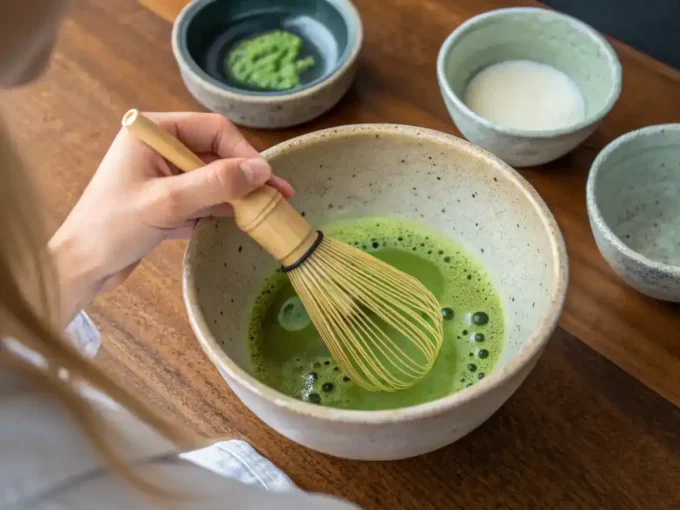
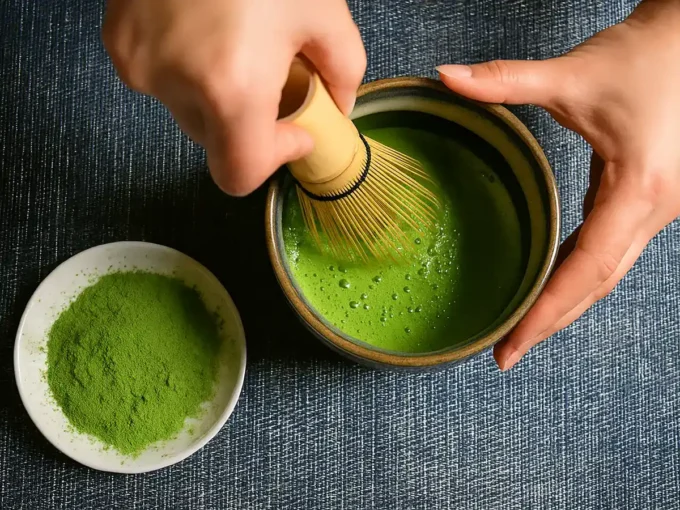
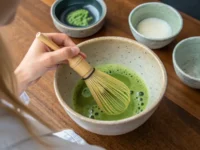
Once you have added your hot water, it is time to learn how to whisk matcha properly. Hold your bamboo whisk firmly but comfortably, keeping your wrist loose and relaxed. Instead of stirring in a circular motion, move the whisk in a quick, zigzag pattern resembling the letter “W” or “M.”
Focus on using your wrist rather than your entire arm to generate speed. This rapid motion creates the signature frothy layer that defines a traditional cup. Continue whisking for about thirty to sixty seconds until a thick, creamy foam covers the surface of your bowl.
Creative Ways to Incorporate Matcha Powder into Your Diet
Exploring the versatility of matcha powder allows you to move far beyond simple whisked tea. This vibrant green ingredient brings a unique earthy depth to both sweet and savory dishes, making it a staple for any modern kitchen.

matcha powder
Matcha Lattes and Refreshing Iced Beverages
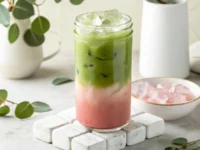
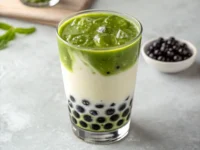
Creating the best matcha for lattes at home is easier than you might think. By whisking high-quality powder with a small amount of hot water before adding steamed milk, you achieve a smooth, café-style texture.
For those warmer days, try an iced version by pouring your prepared concentrate over a glass filled with ice and your favorite plant-based milk. Adding a touch of vanilla or maple syrup can perfectly balance the natural bitterness of the tea.
“Matcha is not just a drink; it is a vibrant culinary canvas that invites creativity into every cup and plate.”
Healthy Baking Recipes Using Matcha
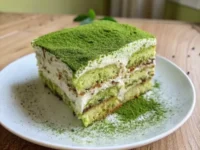
When you shift your focus to the kitchen, culinary grade matcha becomes your best friend. Its robust flavor profile stands up well to heat, making it ideal for various healthy matcha recipes that don’t sacrifice taste for nutrition.
Consider these simple ways to boost your snacks:
- Whisk a teaspoon into your morning oatmeal or yogurt bowls.
- Fold the powder into pancake or waffle batter for a nutrient-packed breakfast.
- Incorporate it into energy balls made with dates, nuts, and shredded coconut.
Using this versatile ingredient in your baking allows you to enjoy the benefits of antioxidants while indulging in delicious treats. Experimenting with different ratios will help you find the perfect balance for your personal palate.
How to Properly Store Matcha Powder for Freshness
Once you open a tin of high quality matcha, the clock starts ticking on its delicate flavor profile. Because this tea is stone-ground into a fine dust, it has a massive surface area that makes it highly susceptible to oxidation. Following a reliable matcha freshness guide ensures that every scoop remains as vibrant and nutrient-dense as the day you bought it.
Protecting Against Light, Heat, and Moisture
The three biggest enemies of your tea are light, heat, and moisture. Exposure to sunlight causes the chlorophyll in the leaves to break down, which turns your bright green powder into a dull, brownish color. Always store your matcha powder in an opaque, airtight container to block out harmful UV rays.
Temperature fluctuations can also degrade the quality of your tea rapidly. It is best to keep your tin in a cool, dark cupboard away from the stove or oven. If you live in a particularly warm climate, keeping your tea in the refrigerator is a smart move, provided the container is sealed tightly to prevent moisture buildup.
Signs That Your Matcha Has Lost Its Potency
Even with the best matcha storage tips, your tea will eventually lose its peak freshness over time. You can easily identify if your powder has gone stale by checking its physical appearance and scent. Fresh tea should be a vibrant, electric green; if it looks yellowish or dull, it has likely oxidized.
The aroma is another clear indicator of quality. Fresh high quality matcha should smell grassy, sweet, and slightly nutty. If you notice a stale, hay-like, or musty odor, the delicate L-theanine and antioxidant compounds have likely diminished. At this point, the tea may taste bitter or flat, signaling that it is time to restock your supply.
| Storage Factor | Ideal Condition | Why It Matters |
| Light Exposure | Dark, opaque tin | Prevents chlorophyll degradation |
| Temperature | Cool, stable environment | Slows down oxidation process |
| Moisture | Airtight seal | Avoids clumping and mold |
| Container | Original sealed packaging | Maintains freshness longer |
Common Mistakes to Avoid When Buying Matcha
Navigating the crowded market for tea requires a keen eye for detail and a bit of insider knowledge. Many consumers find themselves overwhelmed by the sheer variety of matcha powder available online and in stores. By learning to spot the signs of quality, you can avoid common pitfalls and ensure your purchase is worth the investment.
Identifying Authentic Japanese Sourced Products
The most reliable way to ensure you are buying genuine tea is to verify its origin. True Japanese matcha tea is grown in specific regions like Uji or Nishio, where the climate and soil are ideal for tea cultivation. Always check the packaging for a clear statement of origin.
If a product label is vague or fails to mention Japan, it is likely a lower-quality imitation. Seeking out authentic matcha powder means looking for brands that provide transparency regarding their farming practices. Reputable companies are usually proud to share details about their harvest methods and processing facilities.
Why Color and Texture Matter for Quality
Visual cues are often the best indicators of freshness and grade. High-quality ceremonial grade matcha should always feature a vibrant, electric green color. If the powder appears dull, yellowish, or brownish, it is likely oxidized or of poor quality.
Texture is equally important when evaluating your purchase. The powder should feel as fine as silk or baby powder, indicating it was ground properly using traditional stone mills. A gritty or sandy texture suggests that the leaves were processed poorly, which will negatively impact the final taste of your drink.
By paying attention to these physical characteristics, you can confidently select the best matcha for lattes or traditional whisking. Taking a moment to inspect these details prevents disappointment and guarantees a superior experience in every cup.
Conclusion
Embracing the vibrant world of matcha powder transforms your morning routine into a mindful practice. You gain access to a rich heritage while enjoying a modern boost to your lifestyle.
Focusing on organic matcha benefits ensures you receive the highest quality nutrients in every sip. This commitment to purity supports your long-term wellness goals with ease.
You can explore the diverse matcha health benefits by experimenting with new recipes in your own kitchen. Brands like Ippodo Tea or Encha provide excellent starting points for your personal journey.
Share your favorite whisking techniques or unique latte creations with our community. Your experiences help others discover the joy of this ancient superfood. Keep exploring the endless possibilities found within each tin of premium green tea.
FAQ
What is the primary difference between ceremonial and culinary grade matcha powder?
The main distinction lies in how the tea is intended to be consumed and its flavor profile. Ceremonial grade matcha, such as the premium offerings from Ippodo Tea Co., is crafted from the youngest tea leaves to provide a delicate, naturally sweet umami flavor best enjoyed with just hot water. In contrast, culinary grade matcha has a bolder, more astringent profile designed to shine through other ingredients in smoothies, lattes, and baking recipes.
Why is it important to source matcha powder directly from Japan?
Authentic matcha is a product of centuries of Japanese tradition, particularly from regions like Uji in Kyoto and Nishio in the Aichi Prefecture. These areas provide the ideal climate and soil for growing Tencha leaves. Brands like Mizuba Tea Co. prioritize these sources because Japanese producers use specific shade-growing techniques that boost chlorophyll levels and amino acids, ensuring the vibrant green color and health benefits that knock-off products often lack.
How does the L-theanine in matcha powder provide a different energy boost than coffee?
Unlike the quick spike and subsequent crash associated with coffee, matcha contains a unique amino acid called L-theanine. This compound works in synergy with caffeine to promote a state of “calm alertness.” It slows the release of caffeine into the bloodstream, providing a sustained energy boost for 4 to 6 hours without the typical jitters, making it a favorite for those following a holistic wellness routine.
Do I really need a traditional bamboo whisk (chasen) to prepare my tea?
While you can use a handheld electric frother in a pinch, a traditional bamboo whisk, or chasen, is highly recommended for the best experience. The fine tines of a chasen are designed to break up clumps and aerate the powder effectively, creating that signature creamy, frothy layer on top. Using a whisk alongside a wide matcha bowl (chawan) ensures a smooth texture and helps fully release the tea’s complex aroma.
What is the best way to prevent matcha powder from losing its freshness?
Matcha is extremely sensitive to oxidation, light, and heat. To maintain its potency and vibrant color, you should store it in an airtight, opaque tin in a cool, dark place. Many enthusiasts, including fans of Jade Leaf Matcha, prefer to keep their tins in the refrigerator to maximize shelf life. If your powder begins to look dull or smells like hay, it is a clear sign that the antioxidants and EGCG levels have diminished.
Why should I sift my matcha powder before adding water?
Because of its fine, stone-ground texture, matcha powder naturally tends to clump due to static electricity. Sifting the powder through a fine-mesh strainer is a crucial step to ensure a clump-free beverage. This simple preparation step allows the powder to suspend evenly in the water, resulting in a much smoother mouthfeel and a more successful frothing process.
What is the ideal water temperature for whisking a perfect bowl of matcha?
You should never use boiling water, as it will scorch the delicate leaves and result in a bitter taste. The ideal temperature is approximately 175°F (80°C). Using water at this temperature preserves the delicate nutrients and sweet notes of the tea, ensuring you get the most out of your high-quality stone-ground matcha.
Key Takeaways
- Discover the health benefits of premium green tea.
- Learn how to identify high-quality, vibrant leaves.
- Master traditional brewing techniques for a perfect cup.
- Explore six unique categories for tea enthusiasts.
- Get expert advice on integrating superfoods into your diet.
The Origins and Cultural Significance of Matcha Powder
Understanding the roots of stone-ground matcha reveals why this vibrant green powder remains so special today. The journey of this unique tea began in ancient Buddhist monasteries, where it served as a tool for meditation and focus. Over time, it evolved from a monastic ritual into a cornerstone of Japanese culture.
From Ancient Tea Ceremonies to Modern Kitchens
The Japanese tea ceremony, known as Chanoyu, transformed the consumption of tea into a highly disciplined art form. During these gatherings, participants focused on harmony, respect, and tranquility while preparing Japanese matcha tea. This practice elevated the status of the tea, turning it into a symbol of hospitality and mindfulness.
“The tea ceremony is a spiritual practice that invites us to find beauty in the simplicity of a single bowl of tea.”
Today, the influence of this tradition has moved far beyond the tea room. While the Japanese tea ceremony remains a vital cultural touchstone, matcha powder has successfully transitioned into modern kitchens worldwide. It is now a staple ingredient in everything from morning lattes to gourmet desserts.
How Traditional Stone-Grinding Preserves Quality
The secret to the superior quality of authentic matcha powder lies in the meticulous stone-grinding process. By using granite mills, producers ensure that the leaves are ground slowly to prevent heat buildup. This gentle method protects the delicate nutrients and the bright, emerald color of the Japanese matcha tea.
When leaves are processed too quickly, the friction generates heat that can degrade the flavor profile. Stone-ground matcha avoids this issue, resulting in a finer texture and a richer, more complex taste. The following table highlights the differences between traditional methods and modern industrial processing.
| Feature | Traditional Stone-Grinding | Industrial Milling |
| Heat Generation | Minimal (Cool) | High (Hot) |
| Particle Size | Ultra-fine | Coarse |
| Nutrient Retention | High | Moderate |
| Color Quality | Vibrant Green | Dull/Yellowish |
This commitment to craftsmanship is what makes stone-ground matcha a premium product. By honoring these ancient techniques, producers ensure that every serving maintains the integrity of the original leaf. This dedication to quality is exactly why enthusiasts continue to value traditional methods in an increasingly fast-paced world.
Understanding the Different Grades of Matcha Powder
Choosing the right matcha powder starts with understanding the distinct differences between ceremonial and culinary varieties. Distinguishing between these grades is the most critical skill for any consumer looking to purchase the right product for their specific needs. High quality matcha is easily identified by its vibrant, electric green color and a fine, silky texture that feels like soft powder between your fingers.
Ceremonial Grade: Purity and Flavor Profile
Ceremonial grade matcha is the gold standard for those who enjoy their tea in its purest form. This grade is specifically intended for whisking with hot water to create a traditional, frothy beverage. Because it is made from the youngest tea leaves, it offers a naturally sweet, delicate flavor profile without any bitterness.
When you select this grade, you are choosing a product designed for mindfulness and ritual. It lacks the astringency found in lower-grade options, making it perfect for those who appreciate the subtle nuances of premium green tea.
Culinary Grade: Versatility for Baking and Smoothies
If you are looking to experiment in the kitchen, culinary grade matcha is your best companion. This variety is harvested from slightly more mature leaves, which gives it a more robust and earthy flavor profile. This intensity allows the tea’s character to shine through even when mixed with milk, sweeteners, or flour.
It is the ideal choice for smoothies, lattes, and baked goods where you need a stronger tea presence. While it may have a slightly less vibrant hue than ceremonial options, it remains a fantastic, cost-effective way to enjoy the benefits of green tea in your daily diet.
| Feature | Ceremonial Grade | Culinary Grade |
| Primary Use | Whisking with water | Baking and smoothies |
| Flavor Profile | Sweet and delicate | Robust and earthy |
| Color | Vibrant emerald green | Muted olive green |
| Texture | Very fine and silky | Slightly coarser |
The Science Behind the Health Benefits of Matcha Powder
Exploring the science behind matcha powder reveals why this vibrant green tea is a true powerhouse for your daily wellness routine. Unlike traditional steeped teas, consuming the entire ground leaf allows you to ingest a much higher concentration of nutrients. This unique preparation method is the primary reason for its growing popularity among health-conscious individuals.
High Concentrations of Antioxidants and EGCG
One of the most significant organic matcha benefits is its incredible density of antioxidants. These compounds help protect your body from oxidative stress and support overall cellular health. Among these, epigallocatechin gallate, commonly known as EGCG, stands out as a potent catechin found in high-quality tea leaves.
Because you consume the whole leaf, you receive a much larger dose of these protective agents compared to standard green tea bags. This makes it an exceptionally antioxidant rich tea that fits perfectly into a balanced diet. Regular consumption can contribute to long-term matcha health benefits by neutralizing free radicals throughout the body.
Natural Energy Boosts and L-Theanine Synergy
Many people seek a matcha energy boost to help them power through their busy afternoons without the crash associated with coffee. The secret lies in the unique chemical synergy between caffeine and an amino acid called L-theanine. While caffeine provides the necessary alertness, L-theanine promotes a state of relaxed focus.
This combination prevents the jittery feelings often caused by high-caffeine beverages. Instead, you experience a smooth, sustained level of energy that keeps you productive and calm. The following table highlights how this natural profile compares to other common sources of energy.
| Feature | Matcha Powder | Black Coffee | Standard Green Tea |
| Energy Style | Calm, Sustained | Sharp, Jittery | Mild, Short-lived |
| Antioxidant Level | Very High | Low | Moderate |
| Amino Acid Content | High (L-Theanine) | Negligible | Low |
| Preparation | Whole Leaf Powder | Brewed Beans | Steeped Leaves |
Essential Tools for Preparing the Perfect Cup
Achieving a perfect, frothy cup of tea is easier when you use the right accessories. While high-quality matcha powder is the foundation, your equipment plays a vital role in the final texture and taste. Using the correct matcha preparation tools ensures that you can properly aerate the tea for a smooth, professional finish.
Choosing the Right Bamboo Whisk and Bowl
The traditional bamboo whisk, known as a chasen, is indispensable for anyone learning how to whisk matcha effectively. Its delicate tines are specifically designed to suspend the fine particles of powder in water without scratching your bowl. A standard metal whisk simply cannot replicate the gentle, efficient motion required to create a rich, creamy foam.
Pairing your whisk with a proper bowl, or chawan, is equally important. A bowl with a wide base provides enough surface area for the whisk to move freely. This space allows you to incorporate air into the mixture, which is the secret to achieving that signature frothy layer.
Temperature Control for Optimal Flavor Extraction
Many beginners make the mistake of using boiling water, which can scorch the delicate leaves and result in a bitter taste. To preserve the vibrant flavor profile of your matcha powder, always aim for a water temperature between 175°F and 180°F. This range is gentle enough to extract the sweetness while avoiding the harshness associated with excessive heat.
If you do not have a temperature-controlled kettle, simply let your boiling water sit for about two minutes before pouring. Mastering how to whisk matcha at the right temperature will transform your daily experience. Consistent heat management is a hallmark of true matcha preparation tools and technique.
| Tool Name | Primary Function | Material | Maintenance Tip |
| Chasen (Whisk) | Aeration and mixing | Bamboo | Rinse and air dry |
| Chawan (Bowl) | Whisking vessel | Ceramic | Hand wash gently |
| Chashaku (Scoop) | Measuring powder | Bamboo | Wipe with dry cloth |
Step-by-Step Guide to Whisking Traditional Matcha
Transforming fine green tea powder into a velvety, frothy masterpiece requires just a few simple steps. Mastering the correct matcha whisking technique is the secret to unlocking the full potential of your matcha powder. By following these professional methods, you can ensure every cup is smooth, vibrant, and delicious.
Sifting for a Clump-Free Experience
The most common mistake beginners make is adding water directly to the powder without preparation. Because high-quality tea is finely milled, it naturally tends to clump together when exposed to humidity. Sifting your powder through a fine-mesh strainer before adding any liquid is a vital step.
This simple action breaks up stubborn particles and aerates the tea. When you start with a fine, uniform dust, the water integrates much more easily. You will notice a significant difference in the texture of your final beverage, as it will be completely free of gritty bits.
Achieving the Perfect Frothy Layer
Once you have added your hot water, it is time to learn how to whisk matcha properly. Hold your bamboo whisk firmly but comfortably, keeping your wrist loose and relaxed. Instead of stirring in a circular motion, move the whisk in a quick, zigzag pattern resembling the letter “W” or “M.”
Focus on using your wrist rather than your entire arm to generate speed. This rapid motion creates the signature frothy layer that defines a traditional cup. Continue whisking for about thirty to sixty seconds until a thick, creamy foam covers the surface of your bowl.
Creative Ways to Incorporate Matcha Powder into Your Diet
Exploring the versatility of matcha powder allows you to move far beyond simple whisked tea. This vibrant green ingredient brings a unique earthy depth to both sweet and savory dishes, making it a staple for any modern kitchen.
matcha powder
Matcha Lattes and Refreshing Iced Beverages
Creating the best matcha for lattes at home is easier than you might think. By whisking high-quality powder with a small amount of hot water before adding steamed milk, you achieve a smooth, café-style texture.
For those warmer days, try an iced version by pouring your prepared concentrate over a glass filled with ice and your favorite plant-based milk. Adding a touch of vanilla or maple syrup can perfectly balance the natural bitterness of the tea.
“Matcha is not just a drink; it is a vibrant culinary canvas that invites creativity into every cup and plate.”
Healthy Baking Recipes Using Matcha
When you shift your focus to the kitchen, culinary grade matcha becomes your best friend. Its robust flavor profile stands up well to heat, making it ideal for various healthy matcha recipes that don’t sacrifice taste for nutrition.
Consider these simple ways to boost your snacks:
- Whisk a teaspoon into your morning oatmeal or yogurt bowls.
- Fold the powder into pancake or waffle batter for a nutrient-packed breakfast.
- Incorporate it into energy balls made with dates, nuts, and shredded coconut.
Using this versatile ingredient in your baking allows you to enjoy the benefits of antioxidants while indulging in delicious treats. Experimenting with different ratios will help you find the perfect balance for your personal palate.
How to Properly Store Matcha Powder for Freshness
Once you open a tin of high quality matcha, the clock starts ticking on its delicate flavor profile. Because this tea is stone-ground into a fine dust, it has a massive surface area that makes it highly susceptible to oxidation. Following a reliable matcha freshness guide ensures that every scoop remains as vibrant and nutrient-dense as the day you bought it.
Protecting Against Light, Heat, and Moisture
The three biggest enemies of your tea are light, heat, and moisture. Exposure to sunlight causes the chlorophyll in the leaves to break down, which turns your bright green powder into a dull, brownish color. Always store your matcha powder in an opaque, airtight container to block out harmful UV rays.
Temperature fluctuations can also degrade the quality of your tea rapidly. It is best to keep your tin in a cool, dark cupboard away from the stove or oven. If you live in a particularly warm climate, keeping your tea in the refrigerator is a smart move, provided the container is sealed tightly to prevent moisture buildup.
Signs That Your Matcha Has Lost Its Potency
Even with the best matcha storage tips, your tea will eventually lose its peak freshness over time. You can easily identify if your powder has gone stale by checking its physical appearance and scent. Fresh tea should be a vibrant, electric green; if it looks yellowish or dull, it has likely oxidized.
The aroma is another clear indicator of quality. Fresh high quality matcha should smell grassy, sweet, and slightly nutty. If you notice a stale, hay-like, or musty odor, the delicate L-theanine and antioxidant compounds have likely diminished. At this point, the tea may taste bitter or flat, signaling that it is time to restock your supply.
| Storage Factor | Ideal Condition | Why It Matters |
| Light Exposure | Dark, opaque tin | Prevents chlorophyll degradation |
| Temperature | Cool, stable environment | Slows down oxidation process |
| Moisture | Airtight seal | Avoids clumping and mold |
| Container | Original sealed packaging | Maintains freshness longer |
Common Mistakes to Avoid When Buying Matcha
Navigating the crowded market for tea requires a keen eye for detail and a bit of insider knowledge. Many consumers find themselves overwhelmed by the sheer variety of matcha powder available online and in stores. By learning to spot the signs of quality, you can avoid common pitfalls and ensure your purchase is worth the investment.
Identifying Authentic Japanese Sourced Products
The most reliable way to ensure you are buying genuine tea is to verify its origin. True Japanese matcha tea is grown in specific regions like Uji or Nishio, where the climate and soil are ideal for tea cultivation. Always check the packaging for a clear statement of origin.
If a product label is vague or fails to mention Japan, it is likely a lower-quality imitation. Seeking out authentic matcha powder means looking for brands that provide transparency regarding their farming practices. Reputable companies are usually proud to share details about their harvest methods and processing facilities.
Why Color and Texture Matter for Quality
Visual cues are often the best indicators of freshness and grade. High-quality ceremonial grade matcha should always feature a vibrant, electric green color. If the powder appears dull, yellowish, or brownish, it is likely oxidized or of poor quality.
Texture is equally important when evaluating your purchase. The powder should feel as fine as silk or baby powder, indicating it was ground properly using traditional stone mills. A gritty or sandy texture suggests that the leaves were processed poorly, which will negatively impact the final taste of your drink.
By paying attention to these physical characteristics, you can confidently select the best matcha for lattes or traditional whisking. Taking a moment to inspect these details prevents disappointment and guarantees a superior experience in every cup.
Conclusion
Embracing the vibrant world of matcha powder transforms your morning routine into a mindful practice. You gain access to a rich heritage while enjoying a modern boost to your lifestyle.
Focusing on organic matcha benefits ensures you receive the highest quality nutrients in every sip. This commitment to purity supports your long-term wellness goals with ease.
You can explore the diverse matcha health benefits by experimenting with new recipes in your own kitchen. Brands like Ippodo Tea or Encha provide excellent starting points for your personal journey.
Share your favorite whisking techniques or unique latte creations with our community. Your experiences help others discover the joy of this ancient superfood. Keep exploring the endless possibilities found within each tin of premium green tea.
FAQ
What is the primary difference between ceremonial and culinary grade matcha powder?
The main distinction lies in how the tea is intended to be consumed and its flavor profile. Ceremonial grade matcha, such as the premium offerings from Ippodo Tea Co., is crafted from the youngest tea leaves to provide a delicate, naturally sweet umami flavor best enjoyed with just hot water. In contrast, culinary grade matcha has a bolder, more astringent profile designed to shine through other ingredients in smoothies, lattes, and baking recipes.
Why is it important to source matcha powder directly from Japan?
Authentic matcha is a product of centuries of Japanese tradition, particularly from regions like Uji in Kyoto and Nishio in the Aichi Prefecture. These areas provide the ideal climate and soil for growing Tencha leaves. Brands like Mizuba Tea Co. prioritize these sources because Japanese producers use specific shade-growing techniques that boost chlorophyll levels and amino acids, ensuring the vibrant green color and health benefits that knock-off products often lack.
How does the L-theanine in matcha powder provide a different energy boost than coffee?
Unlike the quick spike and subsequent crash associated with coffee, matcha contains a unique amino acid called L-theanine. This compound works in synergy with caffeine to promote a state of “calm alertness.” It slows the release of caffeine into the bloodstream, providing a sustained energy boost for 4 to 6 hours without the typical jitters, making it a favorite for those following a holistic wellness routine.
Do I really need a traditional bamboo whisk (chasen) to prepare my tea?
While you can use a handheld electric frother in a pinch, a traditional bamboo whisk, or chasen, is highly recommended for the best experience. The fine tines of a chasen are designed to break up clumps and aerate the powder effectively, creating that signature creamy, frothy layer on top. Using a whisk alongside a wide matcha bowl (chawan) ensures a smooth texture and helps fully release the tea’s complex aroma.
What is the best way to prevent matcha powder from losing its freshness?
Matcha is extremely sensitive to oxidation, light, and heat. To maintain its potency and vibrant color, you should store it in an airtight, opaque tin in a cool, dark place. Many enthusiasts, including fans of Jade Leaf Matcha, prefer to keep their tins in the refrigerator to maximize shelf life. If your powder begins to look dull or smells like hay, it is a clear sign that the antioxidants and EGCG levels have diminished.
Why should I sift my matcha powder before adding water?
Because of its fine, stone-ground texture, matcha powder naturally tends to clump due to static electricity. Sifting the powder through a fine-mesh strainer is a crucial step to ensure a clump-free beverage. This simple preparation step allows the powder to suspend evenly in the water, resulting in a much smoother mouthfeel and a more successful frothing process.
What is the ideal water temperature for whisking a perfect bowl of matcha?
You should never use boiling water, as it will scorch the delicate leaves and result in a bitter taste. The ideal temperature is approximately 175°F (80°C). Using water at this temperature preserves the delicate nutrients and sweet notes of the tea, ensuring you get the most out of your high-quality stone-ground matcha.








Leave a comment