


In the heart of Japanese culture lies a cherished ritual the preparation and enjoyment of Japanese matcha tea . This vibrant green powdered tea, once reserved for Zen monks and samurai warriors, has now become a global symbol of wellness, mindfulness, and refined taste. Beyond its rich history and ceremonial elegance, Japanese matcha tea benefits extend to modern health-conscious lifestyles, offering a natural energy boost, powerful antioxidants, and calming properties.
Whether you’re new to the world of green tea or seeking the best Japanese tea for daily indulgence, this guide will walk you through everything you need to know from sourcing high-quality Japanese matcha powder to crafting your perfect cup at home.
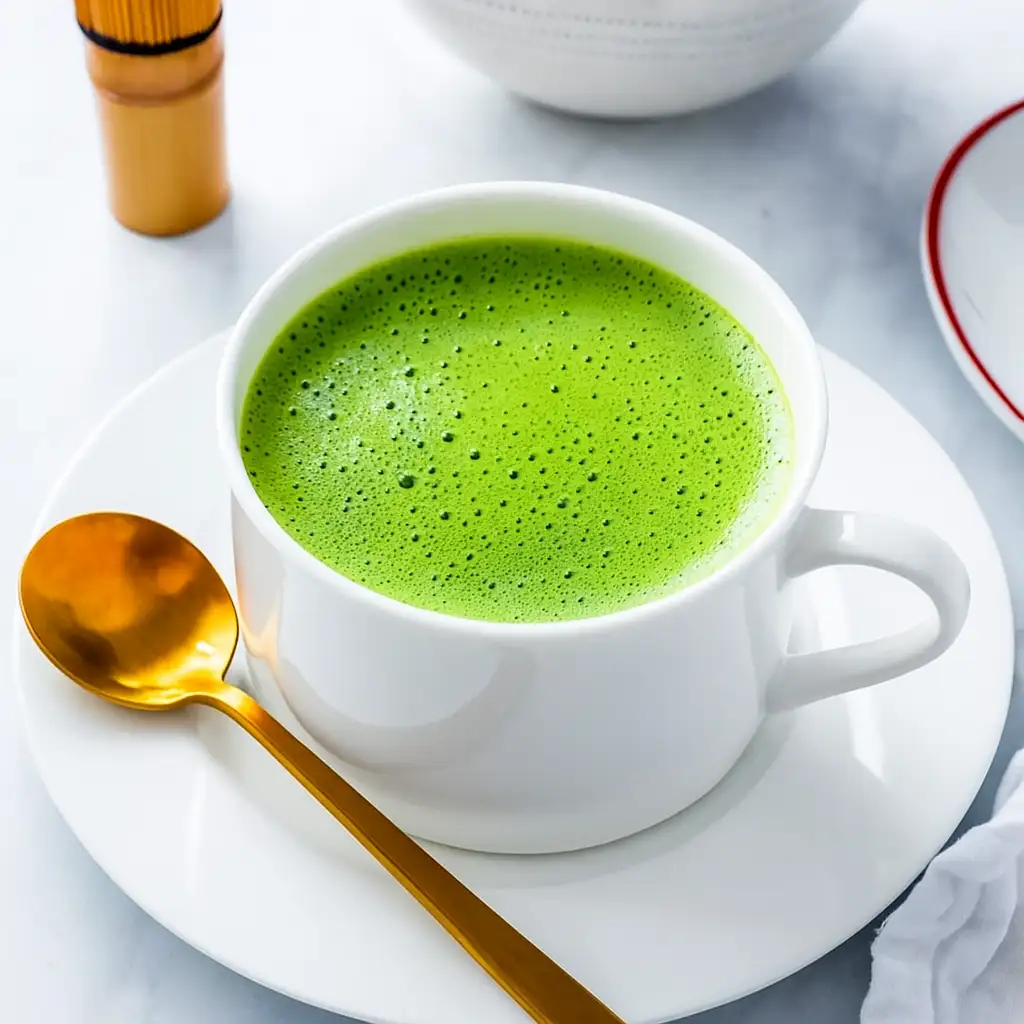
Why Will You Like This Recipe?
This simple yet authentic method of preparing Japanese matcha tea ensures a smooth, frothy texture and full-bodied flavor every time. It’s quick, requires minimal ingredients, and offers a luxurious experience that supports both mental clarity and physical well-being.
Servings and Timing
- Prep Time: 2 minutes
- Cook Time: 3 minutes
- Total Time: 5 minutes
- Servings: 1 serving
- Calories: 12 kcal per serving
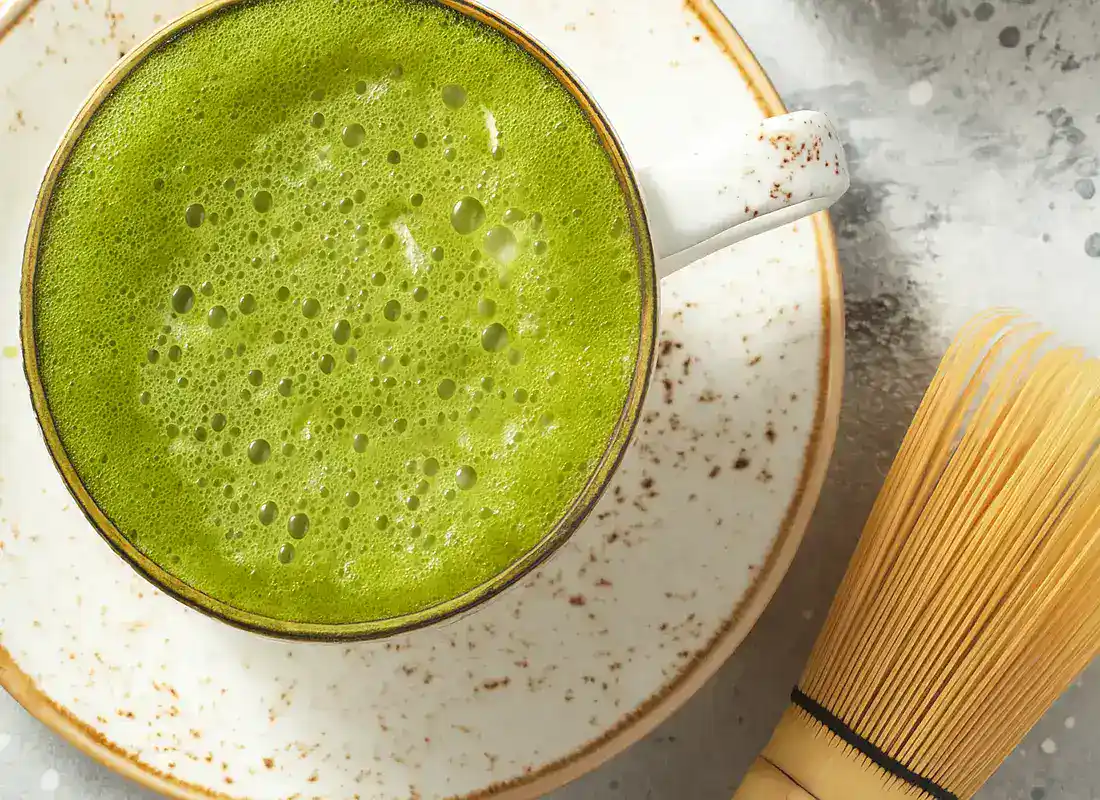
Japanese Matcha Tea
Ingredients
Equipment
Method
- Warm your tea bowl (chawan) with hot water, then discard. Soften the whisk (chasen) by soaking it in warm water.

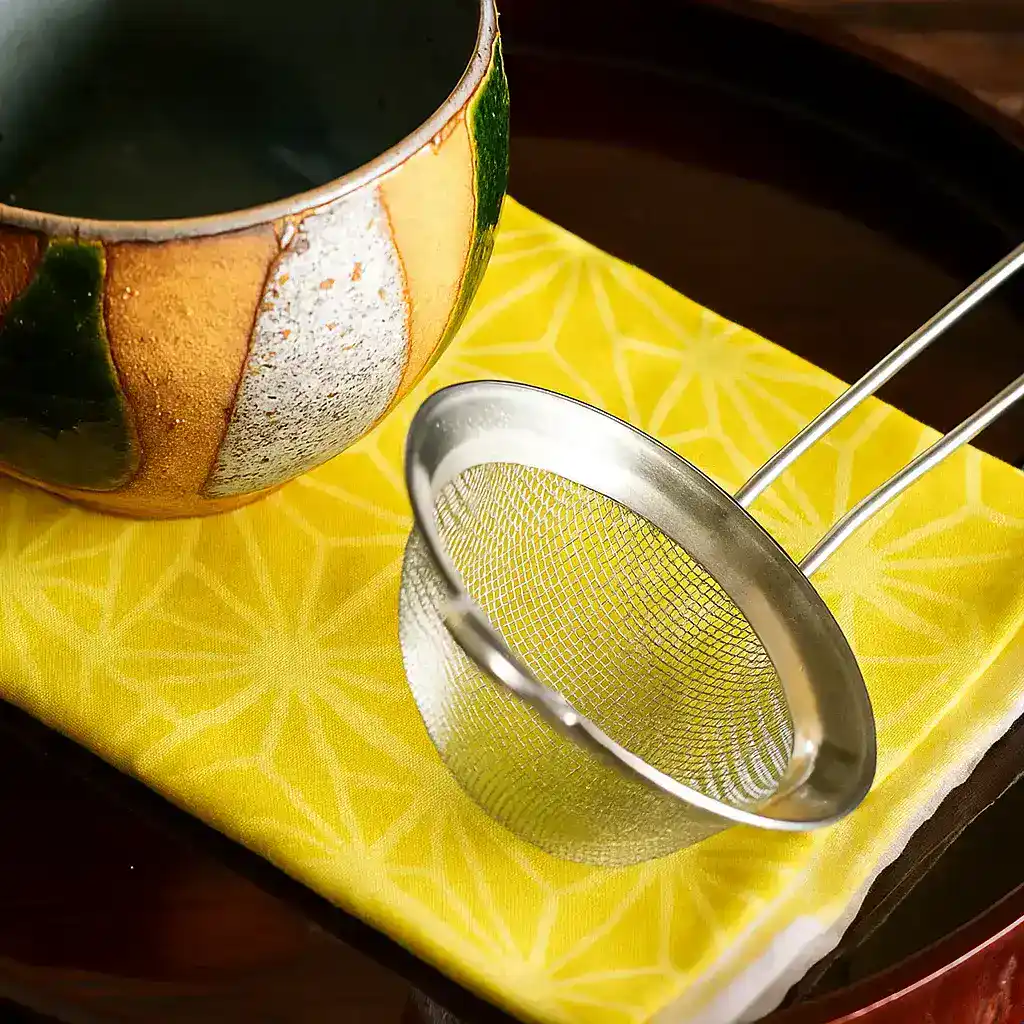
- Sift 1 tsp of matcha powder into the tea bowl using a fine mesh strainer to remove clumps.

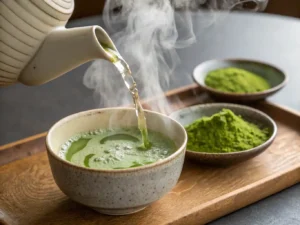
- Pour 70 ml of hot water (185°F / 85°C) over the matcha powder.

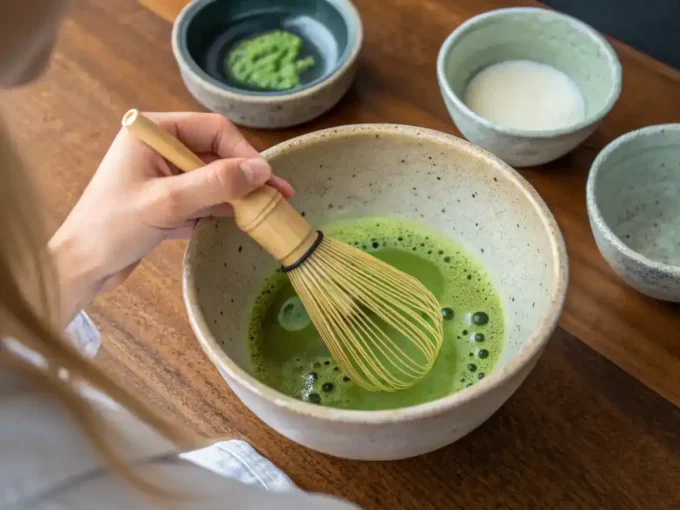
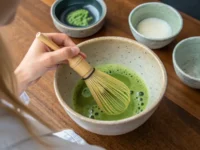
- Whisk briskly in a “W” or “M” motion until a rich layer of foam forms on top.
- Serve immediately and enjoy while still warm.
Notes
Ingredients need for Japanese matcha tea
Use only the finest quality ingredients to unlock the full potential of your Japanese matcha tea .
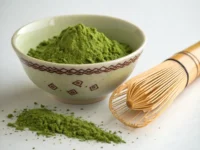
- 1 teaspoon Japanese matcha powder (about 2g) – Sourced from shade-grown tencha leaves for maximum flavor and nutrition. Tip: For ceremonial-grade quality, choose vibrant emerald-green powder.
- 70 ml hot water (185°F / 85°C) – Not boiling, to preserve the delicate flavor and nutrients of the matcha tea .
- Optional: Fine mesh strainer – To sift out clumps and ensure a silky-smooth consistency.
- Optional: Chawan (tea bowl) and chasen (bamboo whisk) – Traditional tools for an authentic experience. Substitute with a small bowl and electric frother if needed.
Preparation Method of Japanese matcha tea
Step One: Prepare Your Equipment
Begin by warming your chawan (tea bowl) with hot water. Gently swirl the water around the bowl and discard it. If using a chasen (bamboo whisk) , dip the tines in warm water to soften them. This step enhances whisking performance and protects the bamboo fibers.
Step Two: Sift and Measure the Matcha Powder
Using a fine-mesh strainer, sift 1 teaspoon of Japanese matcha powder into the warmed tea bowl. This helps eliminate lumps and ensures a smoother texture.
Step Three: Add Hot Water
Pour 70 ml of hot water (around 185°F / 85°C) over the sifted matcha tea . If you don’t have a thermometer, boil water and let it sit for about 30 seconds before using.
Step Four: Whisk to Perfection
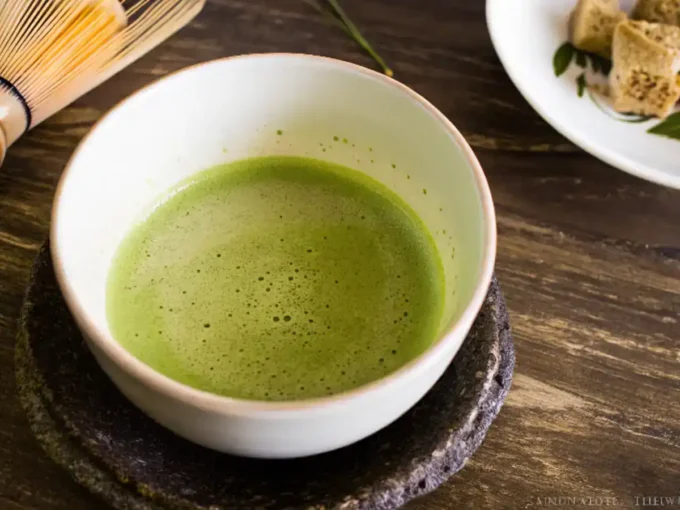
Hold the chasen between your palms and whisk the Japanese matcha tea in a brisk “W” or “M” motion until a rich layer of foam forms on the surface. The final result should be velvety with tiny bubbles.
Step Five: Serve Immediately
Enjoy your freshly prepared Japanese matcha tea while still warm. Since matcha does not dissolve but suspends in water, drink it before the particles settle at the bottom.
Pro Tip: For a thicker version known as koicha , use 2 teaspoons of Japanese matcha powder and 40 ml of hot water. Whisk slowly without creating foam for a more concentrated, syrupy texture.
Variations and Customizations
While traditional Japanese matcha tea is enjoyed plain, you can customize it to suit your palate:
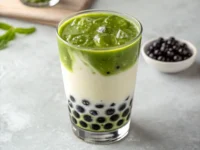
- Matcha Latte : Add steamed milk or a plant-based alternative like almond or oat milk for a creamy twist.
- Sweetened Matcha : Stir in a bit of honey, maple syrup, or agave nectar for a touch of sweetness.
- Flavored Matcha : Enhance with a dash of vanilla extract, cinnamon, or even a pinch of sea salt for depth of flavor.
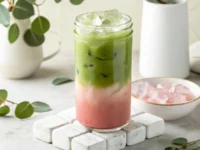
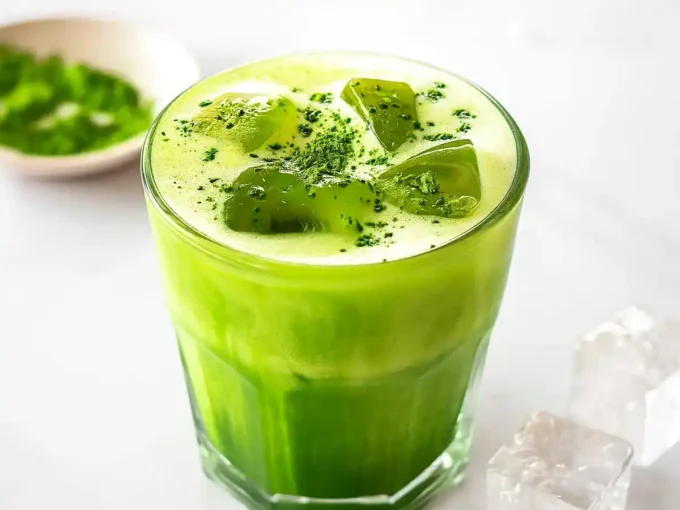
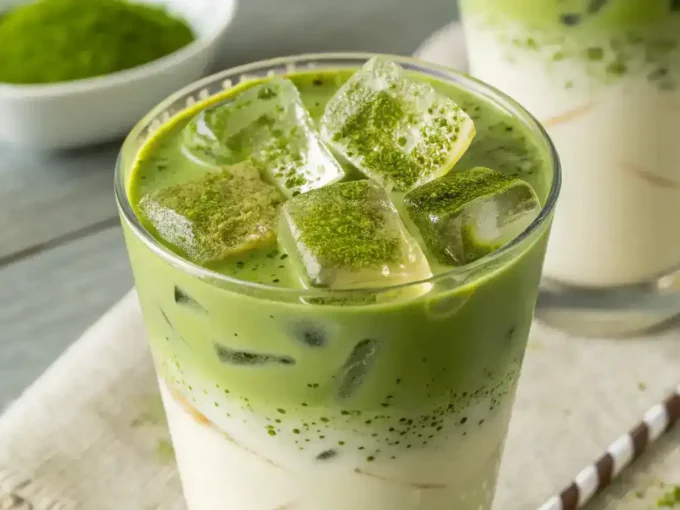
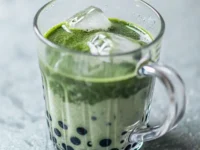
- Iced Matcha : Whisk the matcha tea with a little hot water first, then add ice and cold water or milk for a refreshing summer drink.
👉 Discover free daily recipes and kitchen inspiration — follow us on Pinterest!
Why Japanese Matcha May Support Weight Loss
One of the standout Japanese matcha tea benefits is its potential role in weight management. Rich in catechins like EGCG, matcha powder may help boost metabolism and fat oxidation. Its natural caffeine content provides gentle stimulation without the jitters, making it a smart choice for those aiming to maintain or lose weight naturally.
Top Benefits of Japanese Matcha Tea
- Antioxidant Powerhouse : Loaded with polyphenols that fight oxidative stress and support cellular health.
- Natural Energy Boost : Offers sustained energy due to slow caffeine release and L-theanine-induced calm focus.
- Detoxifying Properties : Chlorophyll-rich matcha tea aids in cleansing the body.
- Supports Heart Health : Studies suggest regular consumption may improve cholesterol levels and reduce heart disease risk.
- Mental Clarity and Relaxation : The unique synergy of caffeine and L-theanine promotes alertness and relaxation simultaneously.
Storage and Reheating
To preserve the freshness and potency of your Japanese matcha powder , store it in an airtight container away from light, heat, and moisture. Keep it refrigerated for best results and consume within 2–3 weeks after opening.
Since matcha tea is best consumed fresh, reheating isn’t recommended. However, if necessary, gently reheat it on the stovetop with a splash of hot water to restore the texture.
Tips and Additional Ideas to make Japanese matcha tea
- Use filtered water for a cleaner, purer taste.
- Experiment with different grades of matcha tea ceremonial grade for drinking, culinary grade for baking or cooking.
- Pair your Japanese matcha tea with wagashi (traditional Japanese sweets) or light snacks like mochi or shortbread cookies.
- For a luxurious breakfast pairing, enjoy it alongside avocado toast or a matcha smoothie bowl.
Nutrition Facts (Per Serving)
| Calories | 12 kcal |
| Protein | 2 g |
| Total Fat | 0 g |
| Saturated Fat | 0 g |
| Unsaturated Fat | 0 g |
| Trans Fat | 0 g |
| Cholesterol | 0 mg |
| Sodium | 1 mg |
| Sugar | 0 g |
| Fiber | 0 g |
Frequently Asked Questions (FAQs)
Is Japanese matcha tea good for you?
Yes! It’s packed with antioxidants, supports brain function, and boosts metabolism.
Is it okay to drink matcha every day?
Absolutely. Drinking one to two cups daily is considered safe and beneficial for most people.
Should you put milk in matcha tea?
Traditionally no, but many enjoy it with milk or plant-based alternatives for a latte-style beverage.
Why do I feel high after matcha?
Matcha contains L-theanine, which promotes relaxation and mental clarity, often described as a calm yet energized state.
How to make matcha tea Japanese?
Matcha contains L-theanine, which promotes relaxation and mental clarity, often described as a calm yet energized state.
How do they make matcha tea in Japan?
Japanese artisans shade-grown tea leaves, steam them, dry, and stone-grind them into a fine matcha powder .
How to prepare matcha tea correctly?
Sift the matcha tea , add hot water, and whisk briskly in a “W” motion for a smooth, frothy texture.
Do I mix matcha with milk or water?
Traditionally, it’s mixed with water. Milk can be added for a latte-style variation.
Craving More Matcha Recipes and Daily Kitchen Inspiration?
We’ve got you covered!
👉 For more free daily recipes, follow us on our Facebook page !
There’s something deeply satisfying about sipping a perfectly whisked cup of Japanese matcha tea a moment of peace, a breath of nature, and a sip of ancient wisdom. Whether you’re drawn to its elegant simplicity, wellness benefits, or bold yet balanced flavor, this recipe invites you to embrace a centuries-old tradition right in your own kitchen.
So go ahead take five minutes for yourself, brew a cup of Japanese matcha tea , and discover why this vibrant green elixir continues to captivate hearts and minds across the globe.
Disclaimer
The nutritional values are approximate, based on online calculators, and may vary with ingredients used, though I’ve aimed for the highest accuracy possible.







Leave a comment